The Disguising at Hertford
The Disguising at Hertford
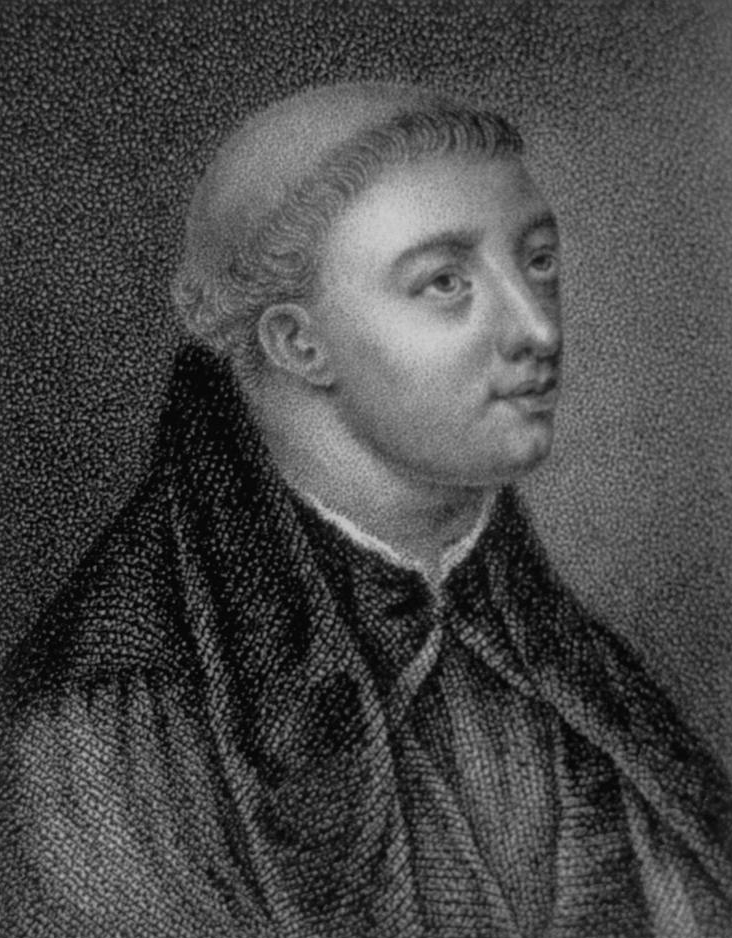
One of the earliest surviving English verse plays, John Lydgate's "The Disguising at Hertford" stages a comic tribunal that feels startlingly modern in its give-and-take. Set during royal festivities at Hertford Castle, the play presents a procession of husbands who arrive before the king to lodge humorous complaints against their wives: these women are too sharp-tongued, too demanding, too much in command. But the wives are not silent. They march forward in their own right and deliver equally spirited defenses, claiming their piece of domestic authority with verve and wit. The king, wisely, refuses to render a final judgment, leaving the audience to sit with the question of who truly holds power in a marriage. What makes this 15th-century curiosity endure is not its plot, which is slight, but its remarkable structure: a medieval play that gives equal time to both sides of the gender war, refusing the easy resolution audiences might expect. Lydgate, a monk and poet laureate of his era, wrote dialogue that crackles with the energy of a public performance, complete with cross-dressing, jesting, and the formal elegance of Middle English verse. It is for readers who want to see where English comedy began, and who appreciate the subversive pleasure of a medieval text that takes women's voices seriously even within a comedic frame.
Editions
X-Ray
The royal judge who presides over the marital dispute at Hertford Castle during Christmas festivities. He serves as the final arbiter, carefully weighing both sides before rendering judgment.
A village reeve who leads the husbands' complaint against their wives. He suffers abuse from his wife Beatrice, including being struck with her distaff and served poor food.
Robin's wife who spends her days drinking at the alehouse and returns home to abuse her husband. She represents the archetypal shrewish wife who dominates through violence.
A shoemaker who complains of his wife's violent treatment. He has been taught to 'play at the staff' by his wife's beatings.
About The Disguising at Hertford
Chapter Summaries
- 1
- Six rural husbands present their complaint to the king during Christmas festivities at Hertford Castle. They detail the physical and emotional abuse they suffer from their wives, seeking royal protection and franchise from marital tyranny.
- 2
- The six wives respond defiantly to their husbands' complaints, claiming authority through custom, precedent, and the example of the Wife of Bath. They reject the old model of patient wives like Griselda and assert their right to marital dominance.
- 3
- The king carefully considers both sides and renders a diplomatic judgment. He postpones final decision for a year, allowing wives to maintain their current authority while seeking legal precedent for male dominance in marriage.
Key Themes
- Gender Role Reversal
- The play subverts traditional medieval gender hierarchies by depicting wives as physically and verbally dominant over their husbands. This reversal creates both comedy and social commentary on marriage dynamics.
- Marriage as Warfare
- Marriage is consistently portrayed as a battlefield where spouses engage in literal combat. The wives speak of 'darreining by battle' and the husbands bear physical wounds from domestic conflicts.
- Legal and Social Authority
- The play explores questions of legitimate authority within marriage and society. Both sides appeal to different sources of law - natural order versus custom and precedent.
Characters
- The King(major)
- The royal judge who presides over the marital dispute at Hertford Castle during Christmas festivities. He serves as the final arbiter, carefully weighing both sides before rendering judgment.
- Obbe/Robin the Reeve(major)
- A village reeve who leads the husbands' complaint against their wives. He suffers abuse from his wife Beatrice, including being struck with her distaff and served poor food.
- Beatrice Bittersweete(major)
- Robin's wife who spends her days drinking at the alehouse and returns home to abuse her husband. She represents the archetypal shrewish wife who dominates through violence.
- Colin Cobbler(major)
- A shoemaker who complains of his wife's violent treatment. He has been taught to 'play at the staff' by his wife's beatings.
- Cecily Sourcher(major)
- Colin's wife known for her sharp tongue and quick fists. She repays every word with two and every blow with six, maintaining strict dominance over her husband.
- Bartholomew the Butcher(major)
- A strong butcher who kills bulls and boars but dares not resist his wife. Despite his physical strength and broad knife, he cannot match his wife's ferocity.
Link to this book
Add a free, dofollow link to Lex on your blog, forum, syllabus, or reading list.

<a href="https://lex-books.com/book/the-disguising-at-hertford-0d10435a-1f1a-4152-9eb8-47c6433ff20c"><img src="https://lex-books.com/badges/read-on-lex.svg" alt="Read The Disguising at Hertford by John Lydgate free on Lex" width="160" height="40"></a>[](https://lex-books.com/book/the-disguising-at-hertford-0d10435a-1f1a-4152-9eb8-47c6433ff20c)[url=https://lex-books.com/book/the-disguising-at-hertford-0d10435a-1f1a-4152-9eb8-47c6433ff20c][img]https://lex-books.com/badges/read-on-lex.svg[/img][/url]Read The Disguising at Hertford by John Lydgate free on Lex: https://lex-books.com/book/the-disguising-at-hertford-0d10435a-1f1a-4152-9eb8-47c6433ff20cCite this book
Reading this edition for a paper or guide? Copy a citation.
Lydgate, John. The Disguising at Hertford. Lex, lex-books.com/book/the-disguising-at-hertford-0d10435a-1f1a-4152-9eb8-47c6433ff20c.Lydgate, J. (n.d.). The Disguising at Hertford. Lex. https://lex-books.com/book/the-disguising-at-hertford-0d10435a-1f1a-4152-9eb8-47c6433ff20cLydgate, John. The Disguising at Hertford. Lex. https://lex-books.com/book/the-disguising-at-hertford-0d10435a-1f1a-4152-9eb8-47c6433ff20c.