The Confessions of Jean Jacques Rousseau — Volume 11
The Confessions of Jean Jacques Rousseau — Volume 11
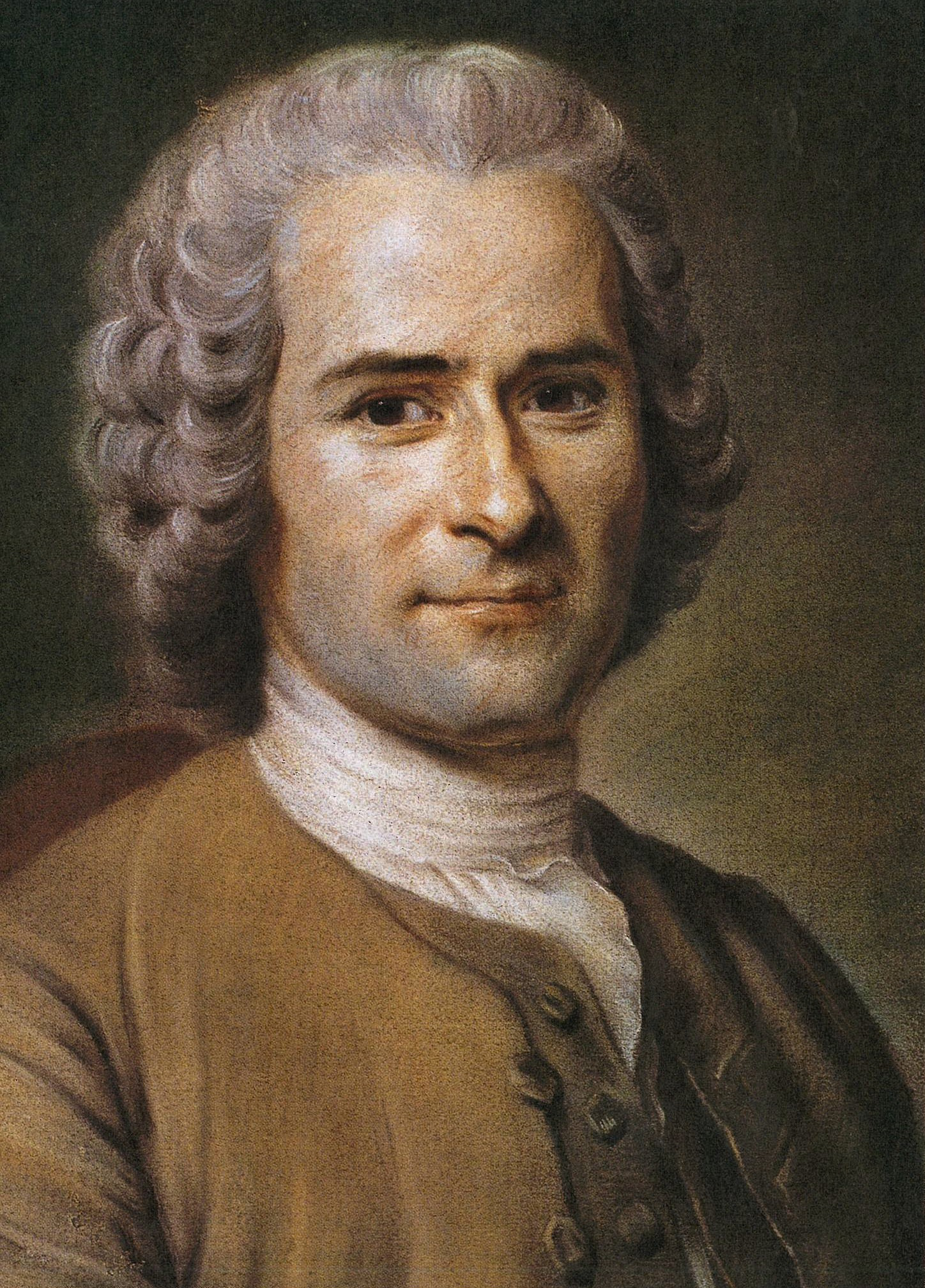
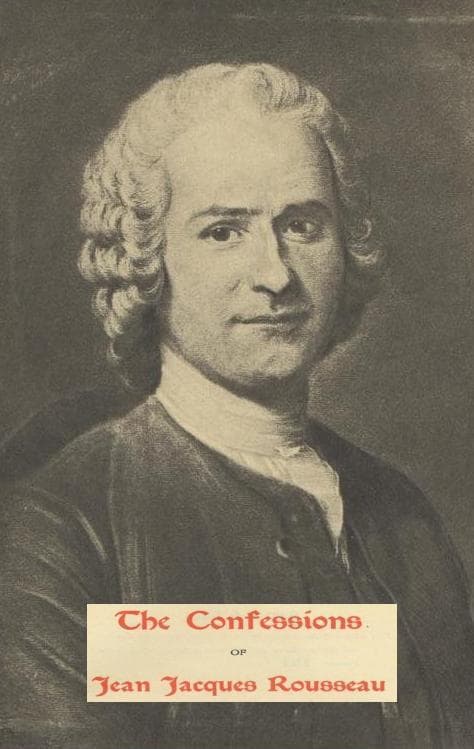
Volume 11 captures Jean-Jacques Rousseau at the height of his notoriety. The publication of Julie, or the New Eloisa has exploded across Parisian society, and Rousseau finds himself trapped in a lie he cannot correct: thousands of readers, particularly women of the upper classes, are convinced the novel is his autobiography. They see themselves in its pages, they weep over its heroine, and they seek him out with an intimacy that both thrills and terrifies him. Rousseau navigates this strange fame with Madam de Luxembourg and other aristocratic patrons, recording the games, the jealousies, and the rumors that swirl around him. But beneath the success lies a mounting anxiety. The philosopher who dared to expose his entire life to public scrutiny is beginning to sense the weight of that exposure. The same society that celebrates him will eventually destroy him, and this volume marks the pivot point where admiration begins to curdle into persecution. Rousseau's confessional method, radical for its time, treats no emotion as too shameful, no thought as too dangerous to examine.
Editions
X-Ray
“I know the feelings of my heart, and I know men. I am not made like any of those I have seen; I venture to believe that I am not made like any of those who are in existence. If I am not better, at least I am different. Whether Nature has acted rightly or wrongly in destroying the mould in which she cast me, can only be decided after I have been read.””
— Jean-Jacques Rousseau
“It is too difficult to think nobly when one thinks only of earning a living.””
— Jean-Jacques Rousseau
“There are times when I am so unlike myself that I might be taken for someone else of an entirely opposite character.””
— Jean-Jacques Rousseau
“It is as if my heart and my brain did not belong to the same person. Feelings come quicker than lightning and fill my soul, but they bring me no illumination; they burn me and dazzle me.””
— Jean-Jacques Rousseau
“My illusions about the world caused me to think that in order to benefit by my reading I ought to possess all the knowledge the book presupposed. I was very far indeed from imagining that often the author did not possess it himself, but had extracted it from other books, as and when he needed it. This foolish conviction forced me to stop every moment, and to rush incessantly from one book to another; sometimes before coming to the tenth page of the one I was trying to read I should, by this extravagant method, have had to run through whole libraries. Nevertheless I stuck to it so persistently that I wasted infinite time, and my head became so confused that I could hardly see or take in anything.””
— Jean-Jacques Rousseau
“I believed that I was approaching the end of my days without having tasted to the full any of the pleasures for which my heart thirsted...without having ever tasted that passion which, through lack of an object, was always suppressed. ...The impossibility of attaining the real persons precipitated me into the land of chimeras; and seeing nothing that existed worthy of my exalted feelings, I fostered them in an ideal world which my creative imagination soon peopled with beings after my own heart.””
— Jean-Jacques Rousseau
“The indolence I love is not that of a lazy fellow who sits with his arms across in total inaction, and thinks no more than he acts, but that of a child which is incessantly in motion doing nothing, and that of a dotard who wanders from his subject. I love to amuse myself with trifles, by beginning a hundred things and never finishing one of them, by going or coming as I take either into my head, by changing my project at every instant, by following a fly through all its windings, in wishing to overturn a rock to see what is under it, by undertaking with ardor the work of ten years, and abandoning it without regret at the end of ten minutes; finally, in musing from morning until night without order or coherence, and in following in everything the caprice of a moment.””
— Jean-Jacques Rousseau
“So finally we tumble into the abyss, we ask God why he has made us so feeble. But, in spite of ourselves, He replies through our consciences: 'I have made you too feeble to climb out of the pit, because i made you strong enough not to fall in.””
— Jean-Jacques Rousseau
“I was not much afraid of punishment, I was only afraid of disgrace.But that I feared more than death, more than crime, more than anything in the world. I should have rejoiced if the earth had swallowed me up and stifled me in the abyss. But my invincible sense of shame prevailed over everything . It was my shame that made me impudent, and the more wickedly I behaved the bolder my fear of confession made me. I saw nothing but the horror of being found out, of being publicly proclaimed, to my face, as a thief, as a liar, and slanderer.””
— Jean-Jacques Rousseau
Link to this book
Add a free, dofollow link to Lex on your blog, forum, syllabus, or reading list.

<a href="https://lex-books.com/book/the-confessions-of-jean-jacques-rousseau-volume-11-464b65c5-7068-4c38-bf5d-05fb211ba587"><img src="https://lex-books.com/badges/read-on-lex.svg" alt="Read The Confessions of Jean Jacques Rousseau — Volume 11 by Jean-Jacques Rousseau free on Lex" width="160" height="40"></a>[](https://lex-books.com/book/the-confessions-of-jean-jacques-rousseau-volume-11-464b65c5-7068-4c38-bf5d-05fb211ba587)[url=https://lex-books.com/book/the-confessions-of-jean-jacques-rousseau-volume-11-464b65c5-7068-4c38-bf5d-05fb211ba587][img]https://lex-books.com/badges/read-on-lex.svg[/img][/url]Read The Confessions of Jean Jacques Rousseau — Volume 11 by Jean-Jacques Rousseau free on Lex: https://lex-books.com/book/the-confessions-of-jean-jacques-rousseau-volume-11-464b65c5-7068-4c38-bf5d-05fb211ba587Cite this book
Reading this edition for a paper or guide? Copy a citation.
Rousseau, Jean-Jacques. The Confessions of Jean Jacques Rousseau — Volume 11. Lex, lex-books.com/book/the-confessions-of-jean-jacques-rousseau-volume-11-464b65c5-7068-4c38-bf5d-05fb211ba587.Rousseau, J. (n.d.). The Confessions of Jean Jacques Rousseau — Volume 11. Lex. https://lex-books.com/book/the-confessions-of-jean-jacques-rousseau-volume-11-464b65c5-7068-4c38-bf5d-05fb211ba587Rousseau, Jean-Jacques. The Confessions of Jean Jacques Rousseau — Volume 11. Lex. https://lex-books.com/book/the-confessions-of-jean-jacques-rousseau-volume-11-464b65c5-7068-4c38-bf5d-05fb211ba587.