The Caxtons: A Family Picture — Complete
1849
The Caxtons: A Family Picture — Complete
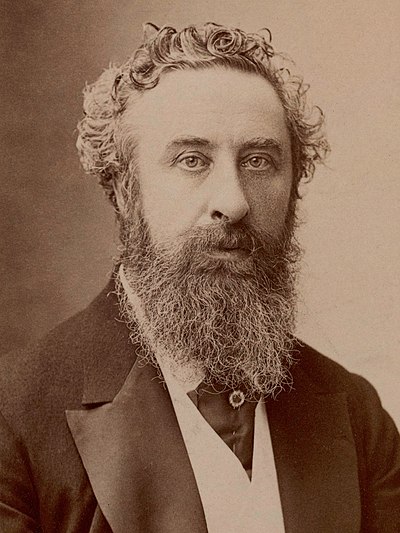
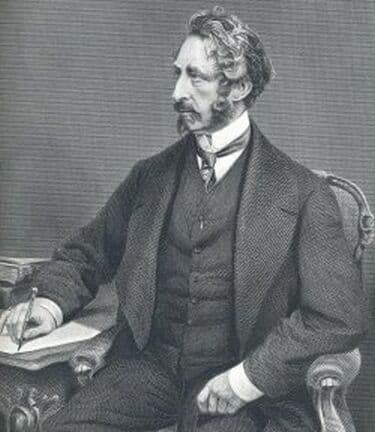
Edward Bulwer Lytton, Baron Lytton
1849
Pisistratus Caxton narrates his upbringing in a household ruled by his brilliant, maddening father Austin, a scholar so absorbed in his books that he nearly misses his son's birth, then names the boy after a Greek tyrant as if the child were an intellectual trophy. This is Victorian domesticity with a comic edge: Austin drifts through fatherhood like a somnambulist, brilliant and bumbling, while young Pisistratus absorbs both his father's wisdom and his alarming gaps in practical knowledge. When Pisistratus finally leaves the Caxton home to seek "real life", in a letter that echoes Gil Blas and Don Quixote, he carries his father's eccentric tutelage like a talisman against a world of respectable artifice. Bulwer-Lytton drew on his own troubled childhood for this warmest and most personal of his novels, creating a family portrait that influenced a generation of Victorian fiction. The book balances tender domesticity with sharp social satire, asking what it means to truly live versus merely exist in polite society.
Editions
Link to this book
Add a free, dofollow link to Lex on your blog, forum, syllabus, or reading list.

<a href="https://lex-books.com/book/the-caxtons-a-family-picture-complete-04595e59-1075-4541-8353-e11810f87962"><img src="https://lex-books.com/badges/read-on-lex.svg" alt="Read The Caxtons: A Family Picture — Complete by Edward Bulwer Lytton, Baron Lytton free on Lex" width="160" height="40"></a>[](https://lex-books.com/book/the-caxtons-a-family-picture-complete-04595e59-1075-4541-8353-e11810f87962)[url=https://lex-books.com/book/the-caxtons-a-family-picture-complete-04595e59-1075-4541-8353-e11810f87962][img]https://lex-books.com/badges/read-on-lex.svg[/img][/url]Read The Caxtons: A Family Picture — Complete by Edward Bulwer Lytton, Baron Lytton free on Lex: https://lex-books.com/book/the-caxtons-a-family-picture-complete-04595e59-1075-4541-8353-e11810f87962Cite this book
Reading this edition for a paper or guide? Copy a citation.
Edward Bulwer Lytton, Baron Lytton. The Caxtons: A Family Picture — Complete. Lex, lex-books.com/book/the-caxtons-a-family-picture-complete-04595e59-1075-4541-8353-e11810f87962.Edward Bulwer Lytton, B. L. (1849). The Caxtons: A Family Picture — Complete. Lex. https://lex-books.com/book/the-caxtons-a-family-picture-complete-04595e59-1075-4541-8353-e11810f87962Edward Bulwer Lytton, Baron Lytton. The Caxtons: A Family Picture — Complete. Lex. https://lex-books.com/book/the-caxtons-a-family-picture-complete-04595e59-1075-4541-8353-e11810f87962.