The Castle of Otranto
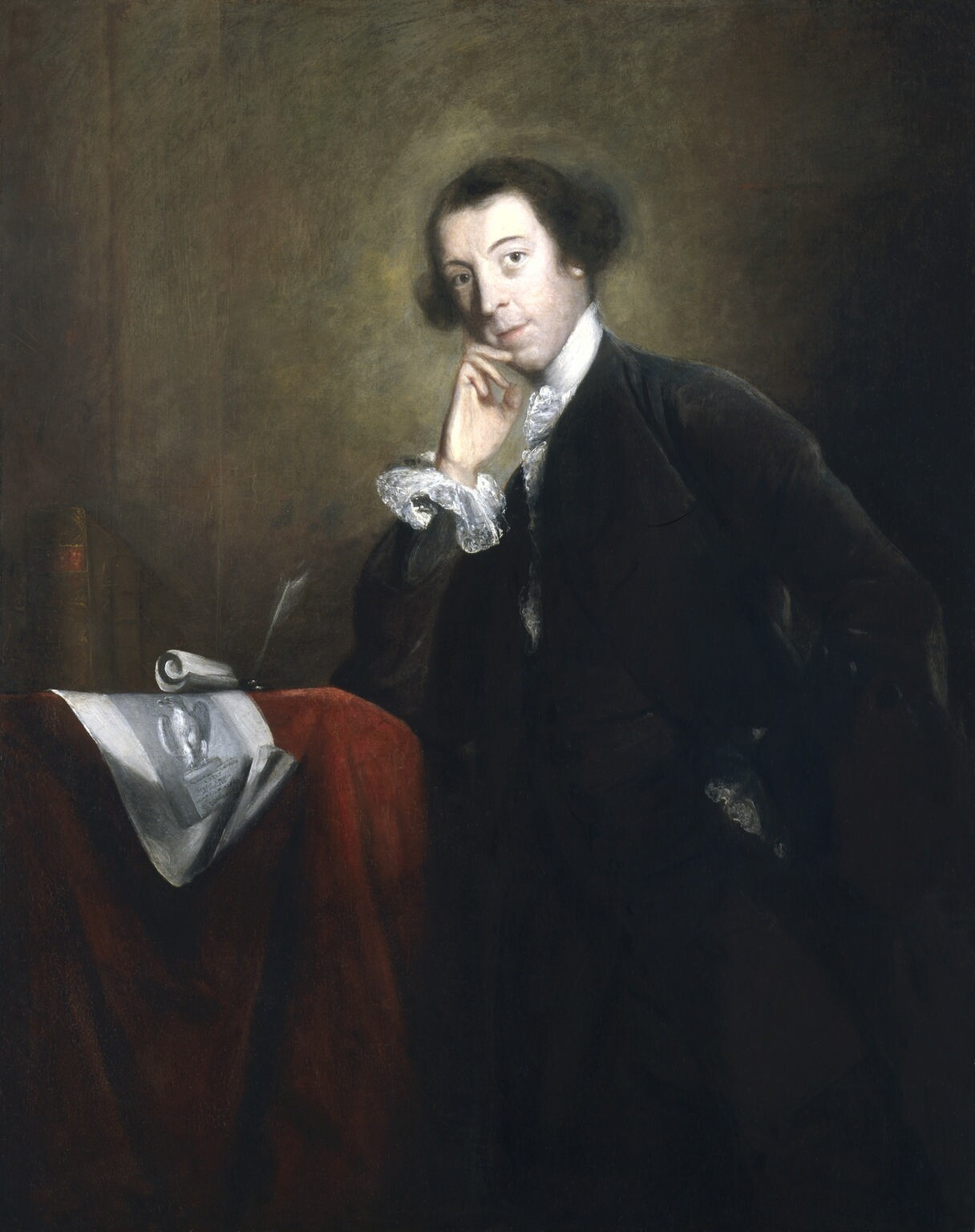
1764. A prince's son dies beneath a giant helmet on his wedding day, and everything unravels. This is the premise that launched a thousand nightmares. Horace Walpole, writing from his Gothic Revival house after a spectral dream, created the template for every haunted castle, trembling heroine, and lurking dread that followed. The Prince of Otranto rules with iron desperation, haunted by prophecy and obsessed with producing an heir. His daughter Matilda and the unintended bride Isabella become trapped in his expanding cruelty. Walpole blended medieval romance with modern terror, inventing a genre that would consume literature, film, and the darker corners of the imagination. The prose feels antiquated, the emotions raw. Two centuries later, the castle still creaks.
Editions

X-Ray
“He was persuaded he could know no happiness but in the society of one with whom he could for ever indulge the melancholy that had taken possession of his soul.””
— Horace Walpole
“But alas! my Lord, what is blood! what is nobility! We are all reptiles, miserable, sinful creatures. It is piety alone that can distinguish us from the dust whence we sprung, and whither we must return.””
— Horace Walpole
“I can forget injuries, but never benefits.””
— Horace Walpole
“A bystander often sees more of the game than those that play””
— Horace Walpole
“There is no bombast, no similes, flowers, digressions, or unnecessary descriptions. Everything tends directly to the catastrophe.””
— Horace Walpole
“I fear no bad angel, and have offended no good one.””
— Horace Walpole
“This is a bad world; nor have I had cause to leave it with regret.””
— Horace Walpole
“Heaven mocks the short-sighted views of man.””
— Horace Walpole
“It is sinful to cherish those whom heaven has doomed to destruction.””
— Horace Walpole
Link to this book
Add a free, dofollow link to Lex on your blog, forum, syllabus, or reading list.

<a href="https://lex-books.com/book/the-castle-of-otranto-1f409f4e-db2b-44b1-b998-35996d99f293"><img src="https://lex-books.com/badges/read-on-lex.svg" alt="Read The Castle of Otranto by Horace Walpole free on Lex" width="160" height="40"></a>[](https://lex-books.com/book/the-castle-of-otranto-1f409f4e-db2b-44b1-b998-35996d99f293)[url=https://lex-books.com/book/the-castle-of-otranto-1f409f4e-db2b-44b1-b998-35996d99f293][img]https://lex-books.com/badges/read-on-lex.svg[/img][/url]Read The Castle of Otranto by Horace Walpole free on Lex: https://lex-books.com/book/the-castle-of-otranto-1f409f4e-db2b-44b1-b998-35996d99f293Cite this book
Reading this edition for a paper or guide? Copy a citation.
Walpole, Horace. The Castle of Otranto. Lex, lex-books.com/book/the-castle-of-otranto-1f409f4e-db2b-44b1-b998-35996d99f293.Walpole, H. (n.d.). The Castle of Otranto. Lex. https://lex-books.com/book/the-castle-of-otranto-1f409f4e-db2b-44b1-b998-35996d99f293Walpole, Horace. The Castle of Otranto. Lex. https://lex-books.com/book/the-castle-of-otranto-1f409f4e-db2b-44b1-b998-35996d99f293.