The Birds of Shakespeare
1916
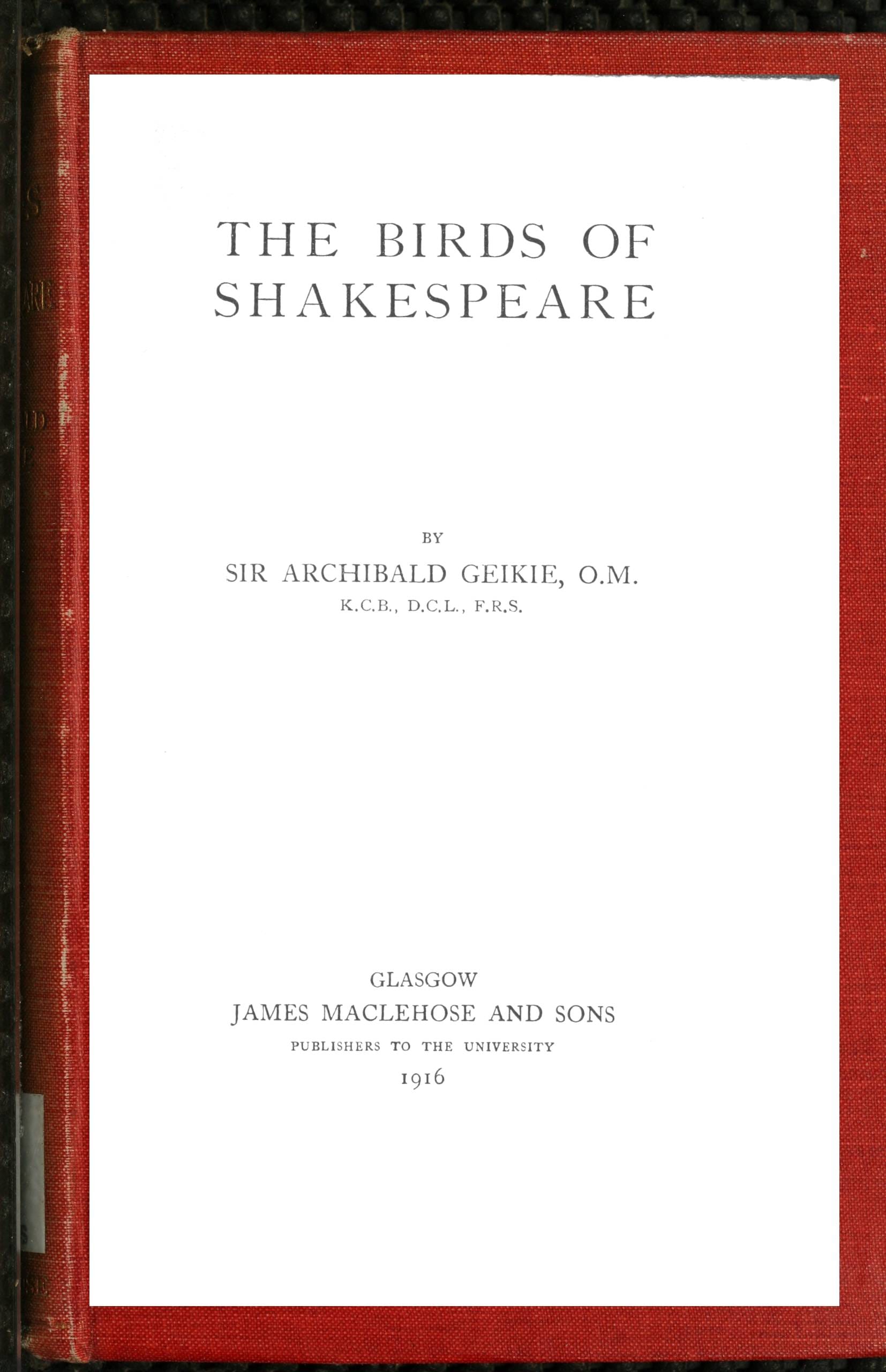
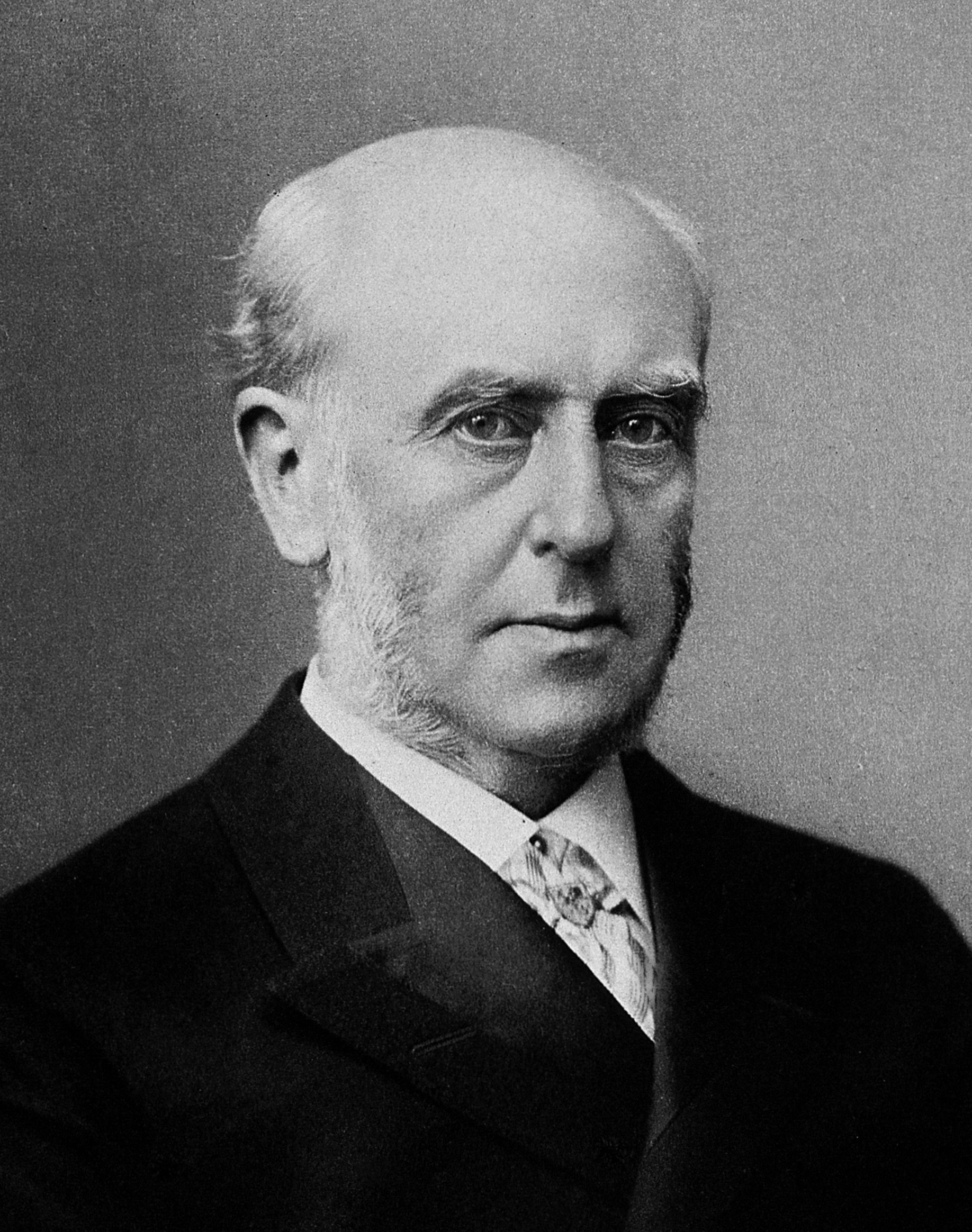
What happens when a celebrated geologist turns his naturalist's eye toward the Bard? This 1916 study reveals a Shakespeare who was far more than England's greatest dramatist, he was a meticulous observer of the natural world, particularly its avian inhabitants. Sir Archibald Geikie brings scientific precision to his analysis of how Shakespeare deployed birds as living symbols across his plays and sonnets, uncovering meanings that have lain hidden in plain sight for four centuries. From the nightingale's song of violation and resilience in "The Rape of Lucrece" to the hawk and eagle whose predatory dances illuminated power and ambition in the history plays, from the swallow and cuckoo whose seasonal arrivals marked time's passage and social order, Geikie maps the full avian landscape of the canon. Each species becomes a mirror for human passion, prophecy, and moral character. The author demonstrates that Shakespeare's bird references were never mere ornamentation, they were calculated symbolism that deepens our understanding of his characters and themes. For anyone who wants to hear what Shakespeare actually heard in the birdsong threading through his work, this book offers a key to a richer, stranger, more precisely observed reading. It will appeal to scholars of Shakespeare, lovers of natural history, and anyone curious about how one genius watched the world.
Editions
Link to this book
Add a free, dofollow link to Lex on your blog, forum, syllabus, or reading list.

<a href="https://lex-books.com/book/the-birds-of-shakespeare-4564f089-8749-4fac-9ee0-9b37758bf573"><img src="https://lex-books.com/badges/read-on-lex.svg" alt="Read The Birds of Shakespeare by Archibald Geikie free on Lex" width="160" height="40"></a>[](https://lex-books.com/book/the-birds-of-shakespeare-4564f089-8749-4fac-9ee0-9b37758bf573)[url=https://lex-books.com/book/the-birds-of-shakespeare-4564f089-8749-4fac-9ee0-9b37758bf573][img]https://lex-books.com/badges/read-on-lex.svg[/img][/url]Read The Birds of Shakespeare by Archibald Geikie free on Lex: https://lex-books.com/book/the-birds-of-shakespeare-4564f089-8749-4fac-9ee0-9b37758bf573Cite this book
Reading this edition for a paper or guide? Copy a citation.
Geikie, Archibald. The Birds of Shakespeare. Lex, lex-books.com/book/the-birds-of-shakespeare-4564f089-8749-4fac-9ee0-9b37758bf573.Geikie, A. (1916). The Birds of Shakespeare. Lex. https://lex-books.com/book/the-birds-of-shakespeare-4564f089-8749-4fac-9ee0-9b37758bf573Geikie, Archibald. The Birds of Shakespeare. Lex. https://lex-books.com/book/the-birds-of-shakespeare-4564f089-8749-4fac-9ee0-9b37758bf573.