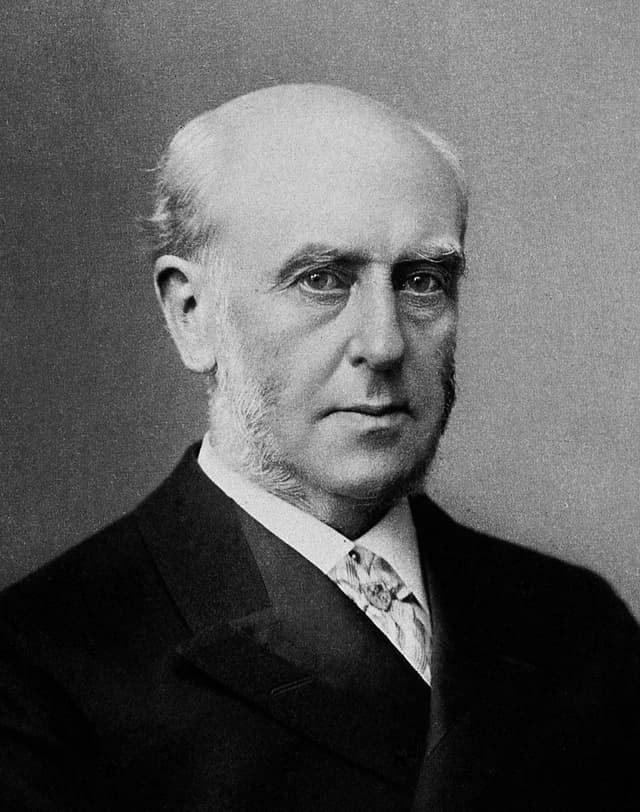
Archibald Geikie
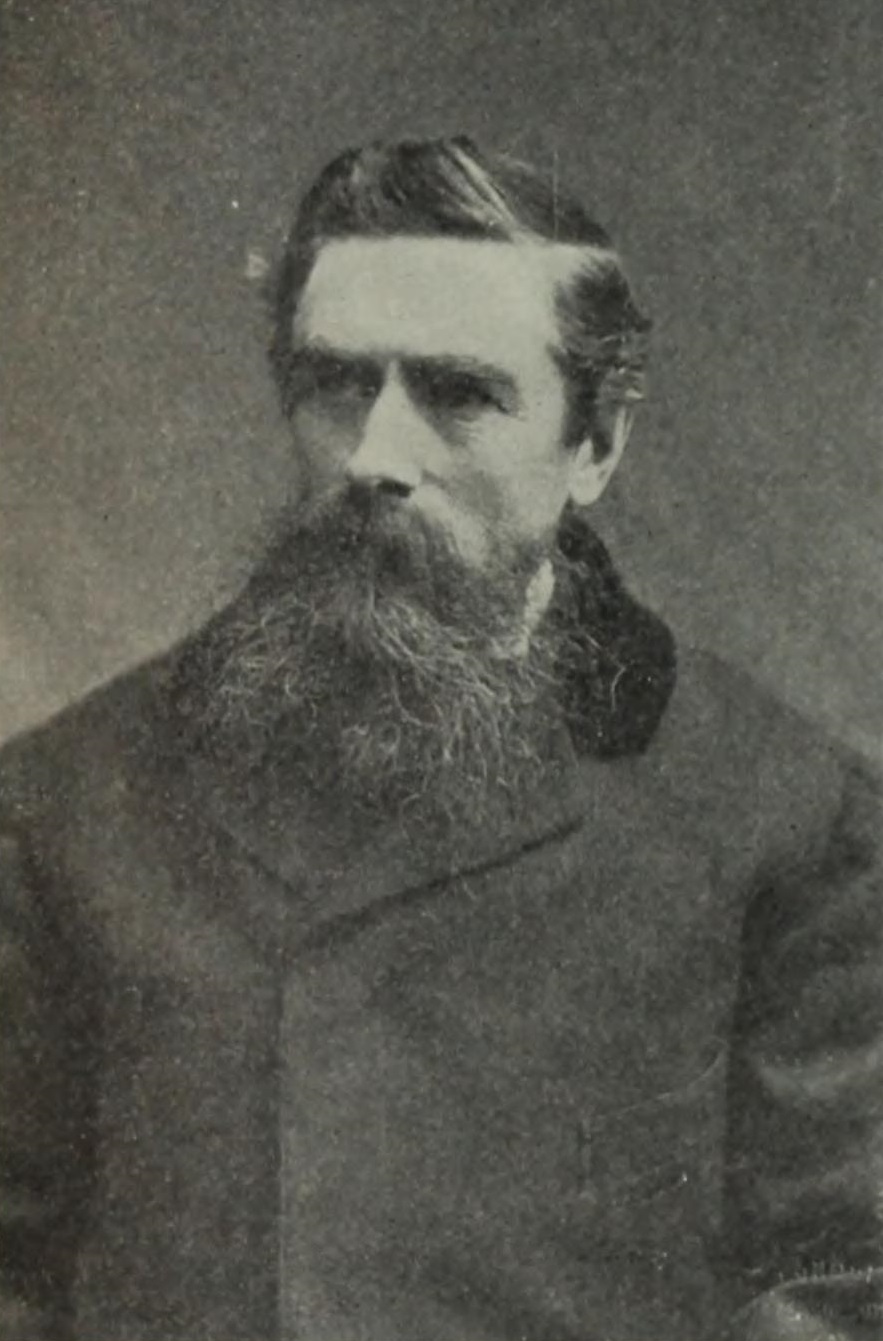
Sir Archibald Geikie was a prominent Scottish geologist whose extensive work in the field of geology significantly advanced the understanding of Earth's history. Born in Edinburgh, he developed a passion for natural sciences early in life, which led him to study at the University of Edinburgh. Geikie's career was marked by his role as the Director of the Geological Survey of Scotland, where he conducted pioneering research on the geology of Scotland and the North of England. His notable works include 'The Great Ice Age' and 'The Geology of Scotland,' which not only provided detailed geological maps but also explored the impact of glaciation on the landscape. Geikie's contributions to geology were instrumental in establishing the principles of stratigraphy and paleontology. His ability to communicate complex geological concepts to the public through his writings and lectures made him a key figure in popularizing geology in the late 19th and early 20th centuries. His legacy endures through his influential texts and the foundational role he played in the development of modern geological science, earning him accolades such as being elected a Fellow of the Royal Society and receiving a knighthood for his services to the field.
Famous Quotes
View all 1 quotes“The present is the key to the past.”
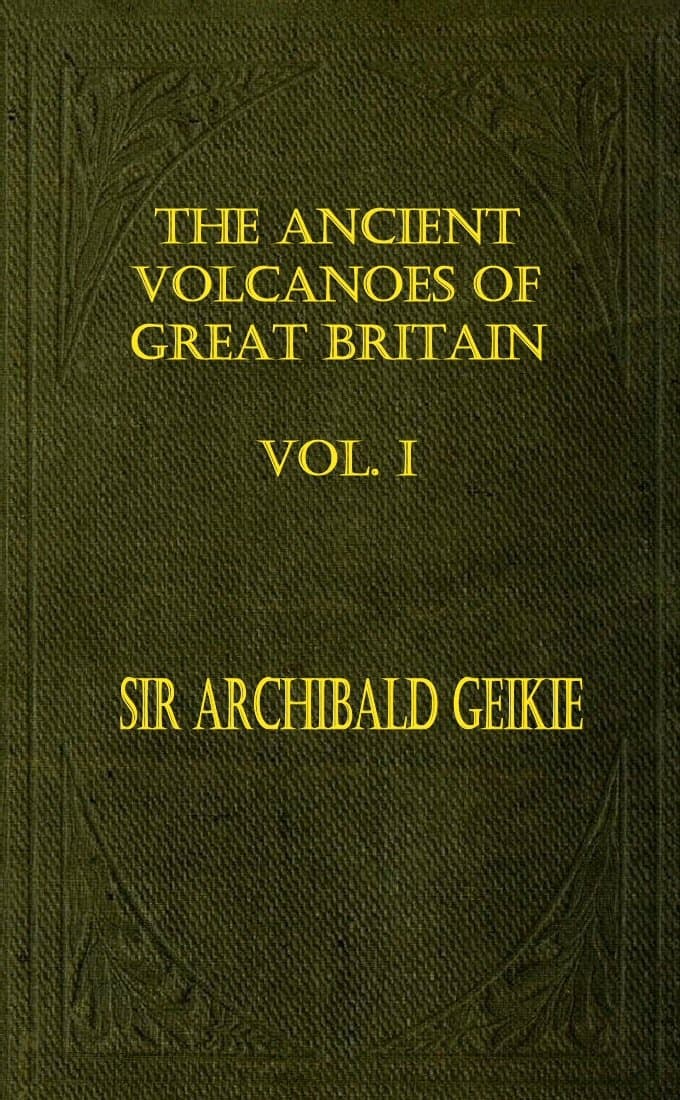
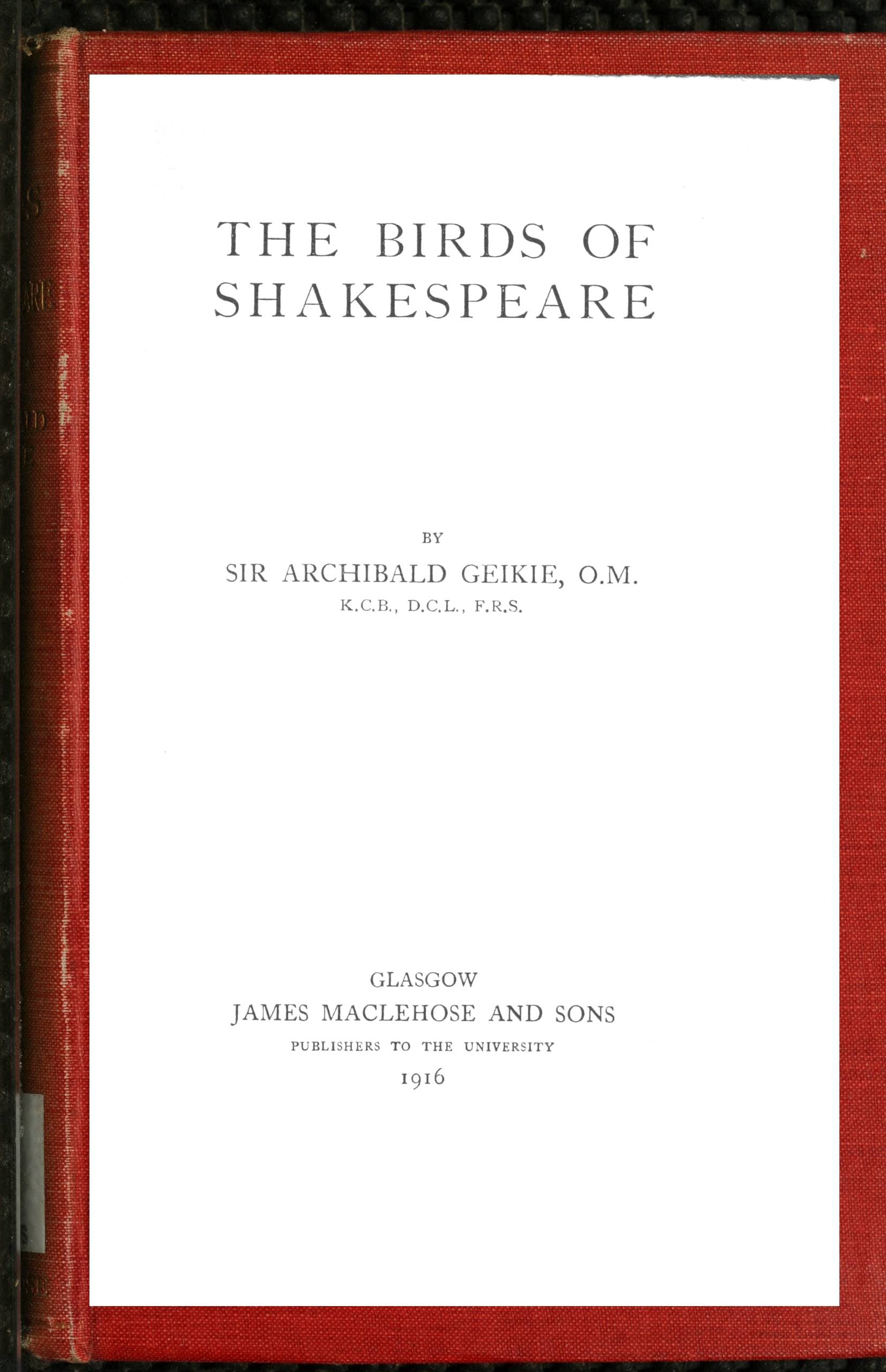
Books from the author




Link to this page
Add a free, dofollow link to Lex on your blog, forum, syllabus, or reading list.

<a href="https://lex-books.com/author/archibald-geikie"><img src="https://lex-books.com/badges/read-on-lex.svg" alt="Archibald Geikie on Lex" width="160" height="40"></a>[](https://lex-books.com/author/archibald-geikie)[url=https://lex-books.com/author/archibald-geikie][img]https://lex-books.com/badges/read-on-lex.svg[/img][/url]Archibald Geikie on Lex: https://lex-books.com/author/archibald-geikie