The Bell in the Fog and Other Stories
1905
The Bell in the Fog and Other Stories
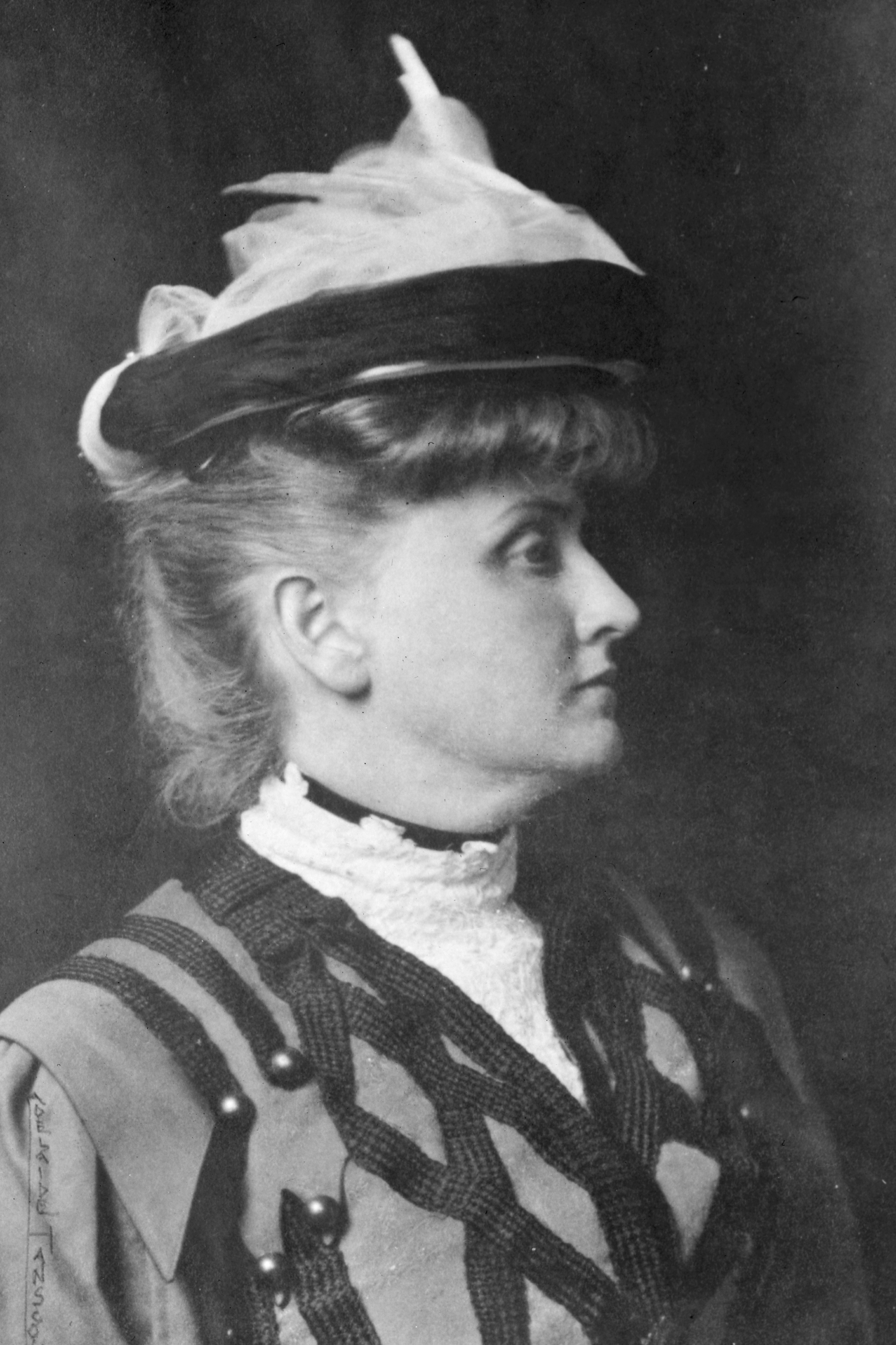
Gertrude Franklin Horn Atherton
1905
The Bell in the Fog and Other Stories, published in 1905 by Gertrude Franklin Horn Atherton, is a collection of short stories that explore the complexities of human desires and relationships. The narratives often blend psychological and supernatural elements, featuring characters like Ralph Orth, who becomes obsessed with the portraits of two children in his ancestral estate. Atherton's work reflects her experiences and influences, particularly from Ambrose Bierce, and addresses themes of loneliness, artistic ambition, and the haunting specters of the past. Notably, the stories reveal the intricate interplay between the supernatural and the psychological, making them significant in early 20th-century Gothic fiction.
Editions
X-Ray
“An English wood is like a good many other things in life-- very promising at a distance, but a hollow mockery when you get within. You see daylight on both sides, and the sun freckles the very bracken. Our woods need the night to make them seem what they ought to be--what they once were, before our ancestors' descendants demanded so much more money, in these so much more various days. ("The Striding Place")””
— Gertrude Franklin Horn Atherton
“Possibly there are few imaginative writers who have not a leaning, secret or avowed, to the occult. The creative gift is in very close relationship with the Great Force behind the universe; for aught we know, may be an atom thereof. It is not strange, therefore, that the lesser and closer of the unseen forces should send their vibrations to it occasionally; or, at all events, that the imagination should incline its ear to the most mysterious and picturesque of all beliefs””
— Gertrude Franklin Horn Atherton
“Authors are far closer to the truths enfolded in mystery than ordinary people, because of that very audacity of imagination which irritates their plodding critics. As only those who dare to make mistakes succeed greatly, only those who shake free the wings of their imagination brush, once in a way, the secrets of the great pale world. If such writers go wrong, it is not for the mere brains to tell them so””
— Gertrude Franklin Horn Atherton
“The amusements of life, he argued, should be accepted with the same philosophy as its ills. ("The Striding Place")””
— Gertrude Franklin Horn Atherton
Link to this book
Add a free, dofollow link to Lex on your blog, forum, syllabus, or reading list.

<a href="https://lex-books.com/book/the-bell-in-the-fog-and-other-stories-9cedcd9a-1185-4db3-980d-3c0948c2ccfe"><img src="https://lex-books.com/badges/read-on-lex.svg" alt="Read The Bell in the Fog and Other Stories by Gertrude Franklin Horn Atherton free on Lex" width="160" height="40"></a>[](https://lex-books.com/book/the-bell-in-the-fog-and-other-stories-9cedcd9a-1185-4db3-980d-3c0948c2ccfe)[url=https://lex-books.com/book/the-bell-in-the-fog-and-other-stories-9cedcd9a-1185-4db3-980d-3c0948c2ccfe][img]https://lex-books.com/badges/read-on-lex.svg[/img][/url]Read The Bell in the Fog and Other Stories by Gertrude Franklin Horn Atherton free on Lex: https://lex-books.com/book/the-bell-in-the-fog-and-other-stories-9cedcd9a-1185-4db3-980d-3c0948c2ccfeCite this book
Reading this edition for a paper or guide? Copy a citation.
Atherton, Gertrude Franklin Horn. The Bell in the Fog and Other Stories. Lex, lex-books.com/book/the-bell-in-the-fog-and-other-stories-9cedcd9a-1185-4db3-980d-3c0948c2ccfe.Atherton, G. F. H. (1905). The Bell in the Fog and Other Stories. Lex. https://lex-books.com/book/the-bell-in-the-fog-and-other-stories-9cedcd9a-1185-4db3-980d-3c0948c2ccfeAtherton, Gertrude Franklin Horn. The Bell in the Fog and Other Stories. Lex. https://lex-books.com/book/the-bell-in-the-fog-and-other-stories-9cedcd9a-1185-4db3-980d-3c0948c2ccfe.