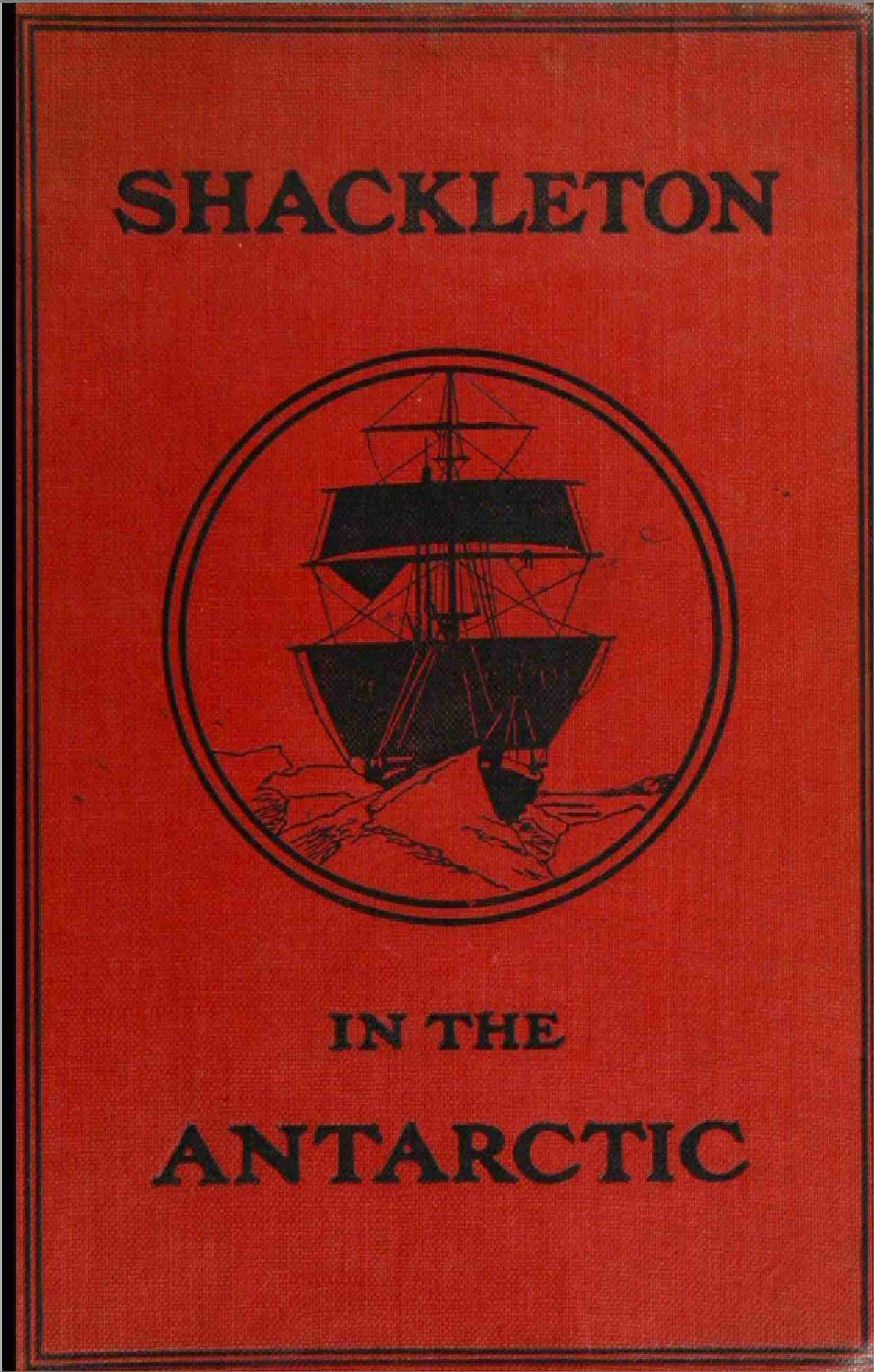
South: The Story of Shackleton's Last Expedition, 1914-1917
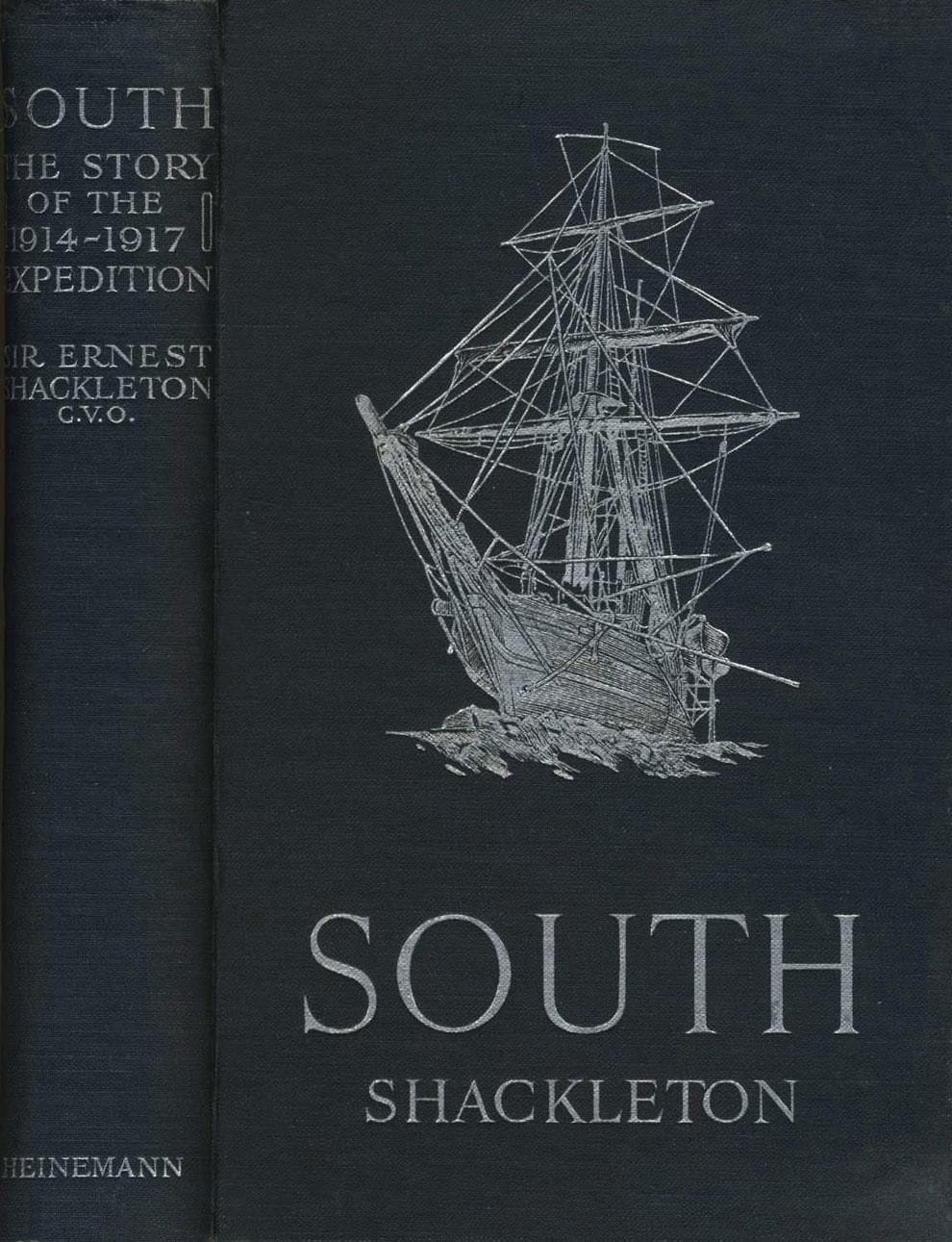
South: The Story of Shackleton's Last Expedition, 1914-1917
The expedition that should have conquered Antarctica instead became a test of whether humanity could conquer its own despair. In 1914, Sir Ernest Shackleton led twenty-eight men into the Weddell Sea aboard the Endurance, aiming to become the first to cross the frozen continent. Within weeks, the ship was trapped. Then came the crushing. Then the long, impossible drift on the ice. What follows is one of history's most harrowing survival tales. Shackleton's men endured months of drifting, the loss of their ship, a treacherous open-boat journey across hurricane-wracked seas, and an unmarked march across unmapped glaciers. Yet every single man survived. This is not merely a chronicle of polar adventure, it is an intimate portrait of leadership under impossible pressure, of men who refused to surrender to the ice, the cold, or the gnawing certainty that rescue might never come. Shackleton wrote this account in the aftermath, his prose as spare and relentless as the landscape it describes. The result endures not as a polemic about human will, but as something more valuable: a clear-eyed witness to what people can endure, and what it costs to bring them home.
Editions
X-Ray
“Loneliness is the penalty of leadership, but the man who has to make the decisions is assisted greatly if he feels that there is no uncertainty in the minds of those who follow him, and that his orders will be carried out confidently and in expectation of success.””
— Ernest Henry, Sir Shackleton
“When I look back at those days I have no doubt that Providence guided us, not only across those snowfields, but across the storm-white sea that separated Elephant Island from our landing-place on South Georgia. I know that during that long and racking march of thirty-six hours over the unnamed mountains and glaciers of South Georgia it seemed to me often that we were four, not three. I said nothing to my companions on the point, but afterwards Worsley said to me, ‘Boss, I had a curious feeling on the march that there was another person with us.’ Crean confessed to the same idea. One feels ‘the dearth of human words, the roughness of mortal speech’ in trying to describe things intangible, but a record of our journeys would be incomplete without a reference to a subject very near to our hearts.””
— Ernest Henry, Sir Shackleton
“We had seen God in His splendours, heard the text that Nature renders. We had reached the naked soul of man.””
— Ernest Henry, Sir Shackleton
“Just when things looked their worse, they changed for the best. I have marveled often at the thin line that divides success from failure and the sudden turn that leads from apparently certain disaster to comparative safety.””
— Ernest Henry, Sir Shackleton
“A strange occurrence was the sudden appearance of eight emperor penguins from a crack 100 yds. away at the moment when the pressure upon the ship was at its climax. They walked a little way towards us, halted, and after a few ordinary calls proceeded to utter weird cries that sounded like a dirge for the ship. None of us had ever before heard the emperors utter any other than the most simple calls or cries, and the effect of this concerted effort was almost startling.””
— Ernest Henry, Sir Shackleton
“All the dogs except eight had been named. I do not know who had been responsible for some of the names, which seemed to represent a variety of tastes. They were as follows Rugby, Upton Bristol, Millhill, Songster, Sandy, Mack, Mercury, Wolf, Amundsen, Hercules, Hackenschmidt, Samson, Sammy, Skipper, Caruso, Sub, Ulysses, Spotty, Bosun, Slobbers, Sadie, Sue, Sally, Jasper, Tim, Sweep, Martin, Splitlip, Luke, Saint, Satan, Chips, Stumps, Snapper, Painful, Bob, Snowball, Jerry, Judge, Sooty, Rufus, Sidelights, Simeon, Swanker, Chirgwin, Steamer, Peter, Fluffy, Steward, Slippery, Elliott, Roy, Noel, Shakespeare, Jamie, Bummer, Smuts, Lupoid, Spider, and Sailor. Some of the names, it will be noticed, had a descriptive flavour.””
— Ernest Henry, Sir Shackleton
“Our spoons are one of our indispensable possessions here. To lose one's spoon would be almost as serious as it is for an edentate person to lose his set of false teeth.””
— Ernest Henry, Sir Shackleton
“Deep seemed the valleys when we lay between the reeling seas.””
— Ernest Henry, Sir Shackleton
“The moving of the boulders was weary and painful work. We came to know every one of the stones by sight and touch, and I have vivid memories of their angular peculiarities even to-day.””
— Ernest Henry, Sir Shackleton
Link to this book
Add a free, dofollow link to Lex on your blog, forum, syllabus, or reading list.

<a href="https://lex-books.com/book/south-the-story-of-shackleton-s-last-expedition-1914-1917-8d67fbbb-5e50-4ae6-8e7f-eee46d28f0ab"><img src="https://lex-books.com/badges/read-on-lex.svg" alt="Read South: The Story of Shackleton's Last Expedition, 1914-1917 by Ernest Henry, Sir Shackleton free on Lex" width="160" height="40"></a>[](https://lex-books.com/book/south-the-story-of-shackleton-s-last-expedition-1914-1917-8d67fbbb-5e50-4ae6-8e7f-eee46d28f0ab)[url=https://lex-books.com/book/south-the-story-of-shackleton-s-last-expedition-1914-1917-8d67fbbb-5e50-4ae6-8e7f-eee46d28f0ab][img]https://lex-books.com/badges/read-on-lex.svg[/img][/url]Read South: The Story of Shackleton's Last Expedition, 1914-1917 by Ernest Henry, Sir Shackleton free on Lex: https://lex-books.com/book/south-the-story-of-shackleton-s-last-expedition-1914-1917-8d67fbbb-5e50-4ae6-8e7f-eee46d28f0abCite this book
Reading this edition for a paper or guide? Copy a citation.
Ernest Henry, Sir Shackleton. South: The Story of Shackleton's Last Expedition, 1914-1917. Lex, lex-books.com/book/south-the-story-of-shackleton-s-last-expedition-1914-1917-8d67fbbb-5e50-4ae6-8e7f-eee46d28f0ab.Ernest Henry, S. S. (n.d.). South: The Story of Shackleton's Last Expedition, 1914-1917. Lex. https://lex-books.com/book/south-the-story-of-shackleton-s-last-expedition-1914-1917-8d67fbbb-5e50-4ae6-8e7f-eee46d28f0abErnest Henry, Sir Shackleton. South: The Story of Shackleton's Last Expedition, 1914-1917. Lex. https://lex-books.com/book/south-the-story-of-shackleton-s-last-expedition-1914-1917-8d67fbbb-5e50-4ae6-8e7f-eee46d28f0ab.