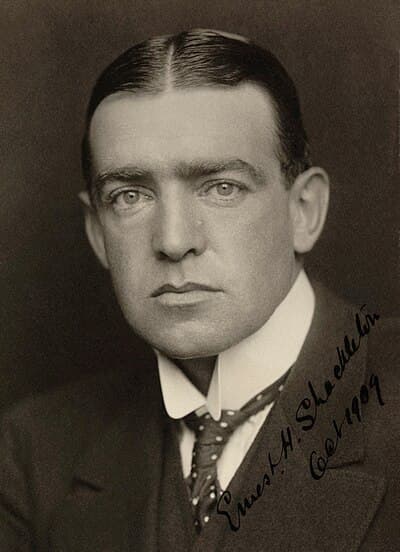
Ernest Henry, Sir Shackleton
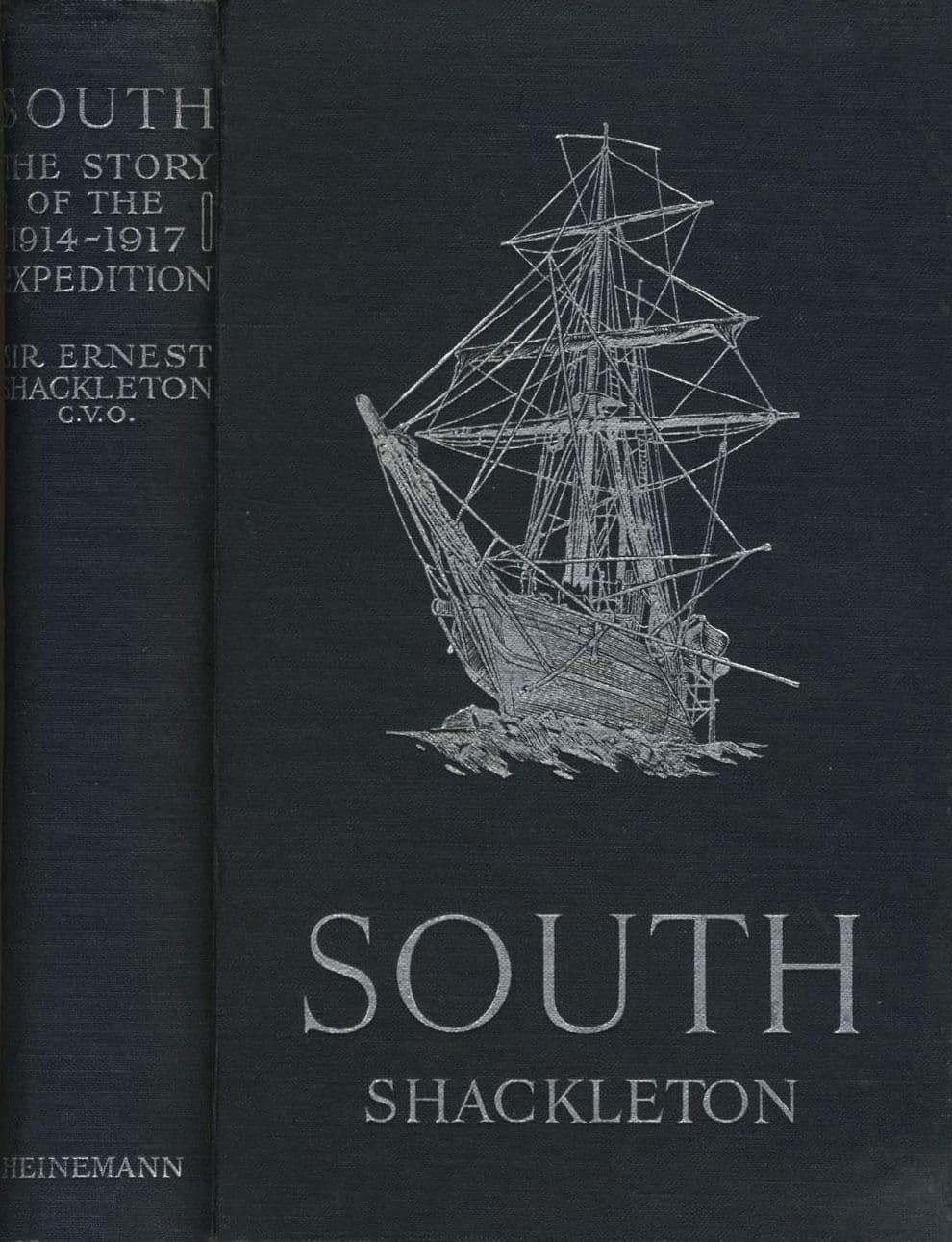
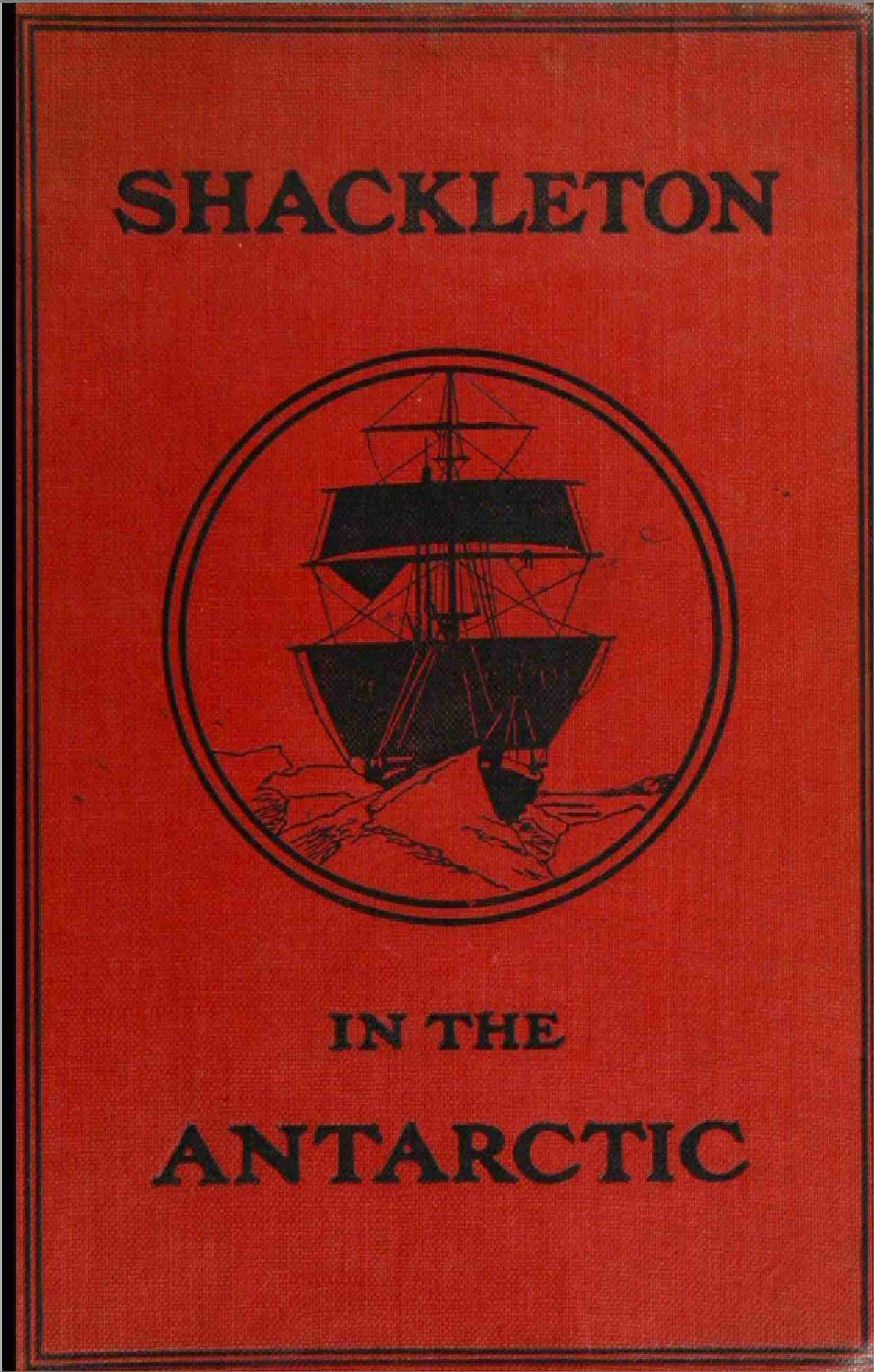
Sir Ernest Henry Shackleton was a renowned British polar explorer best known for his ambitious expeditions to Antarctica in the early 20th century. Born in 1874, Shackleton's early life was marked by a strong desire for adventure, which led him to join the British National Antarctic Expedition (1901-1904) under Captain Robert Falcon Scott. His leadership qualities soon became evident, and he gained recognition for his determination and resilience in the face of extreme adversity. Shackleton's most famous expedition, the Imperial Trans-Antarctic Expedition (1914-1917), aimed to cross the continent but ended in a harrowing struggle for survival after his ship, the Endurance, became trapped in pack ice. His account of this journey, "South: The Story of Shackleton's Last Expedition, 1914-1917," is celebrated for its gripping narrative and insights into leadership and human endurance under dire circumstances. In addition to "South," Shackleton documented his earlier adventures in works such as "Shackleton in the Antarctic: Being the Story of the British Antarctic Expedition, 1907-1909," where he recounted the challenges faced during his 1907 expedition, which set the stage for his later, more famous endeavors. His writings not only serve as historical records of polar exploration but also reflect his deep understanding of the human spirit's capacity to confront the unknown. Shackleton's legacy endures as a symbol of courage and perseverance, inspiring generations of explorers and adventurers. His life and work continue to resonate, illustrating the profound impact of exploration on human knowledge and experience.
Books from the author





Link to this page
Add a free, dofollow link to Lex on your blog, forum, syllabus, or reading list.

<a href="https://lex-books.com/author/ernest-henry-sir-shackleton"><img src="https://lex-books.com/badges/read-on-lex.svg" alt="Ernest Henry, Sir Shackleton on Lex" width="160" height="40"></a>[](https://lex-books.com/author/ernest-henry-sir-shackleton)[url=https://lex-books.com/author/ernest-henry-sir-shackleton][img]https://lex-books.com/badges/read-on-lex.svg[/img][/url]Ernest Henry, Sir Shackleton on Lex: https://lex-books.com/author/ernest-henry-sir-shackleton