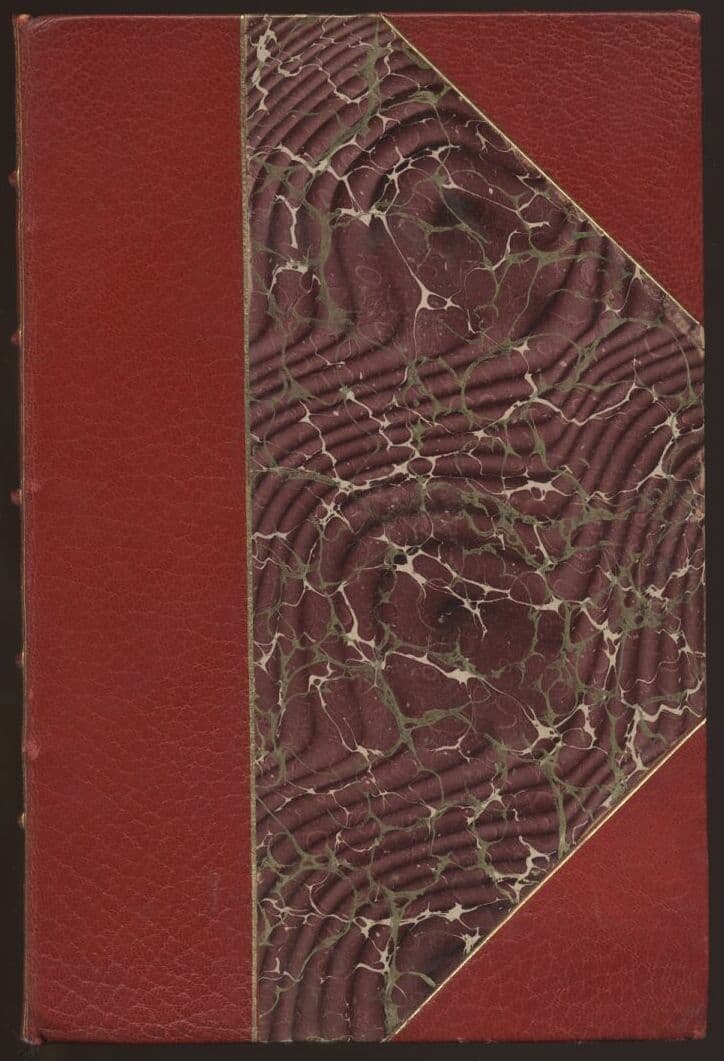
Songs of Innocence and of Experience
1789
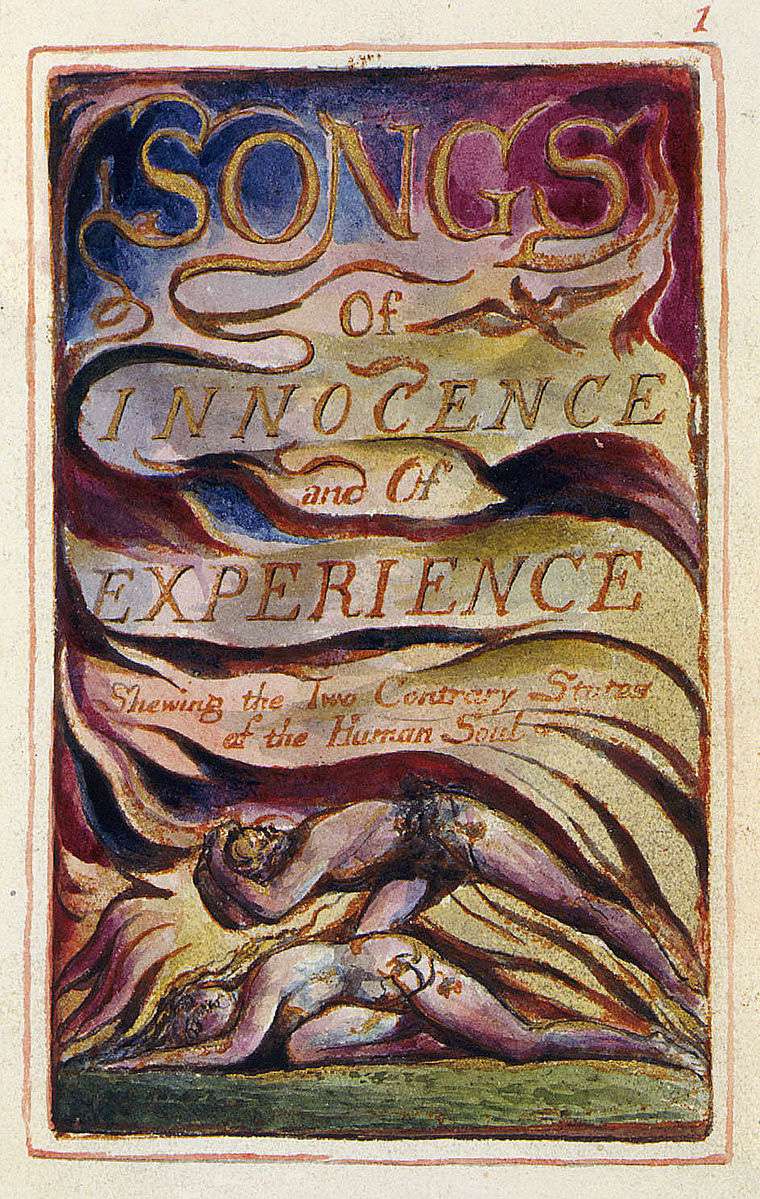
Songs of Innocence and of Experience
1789
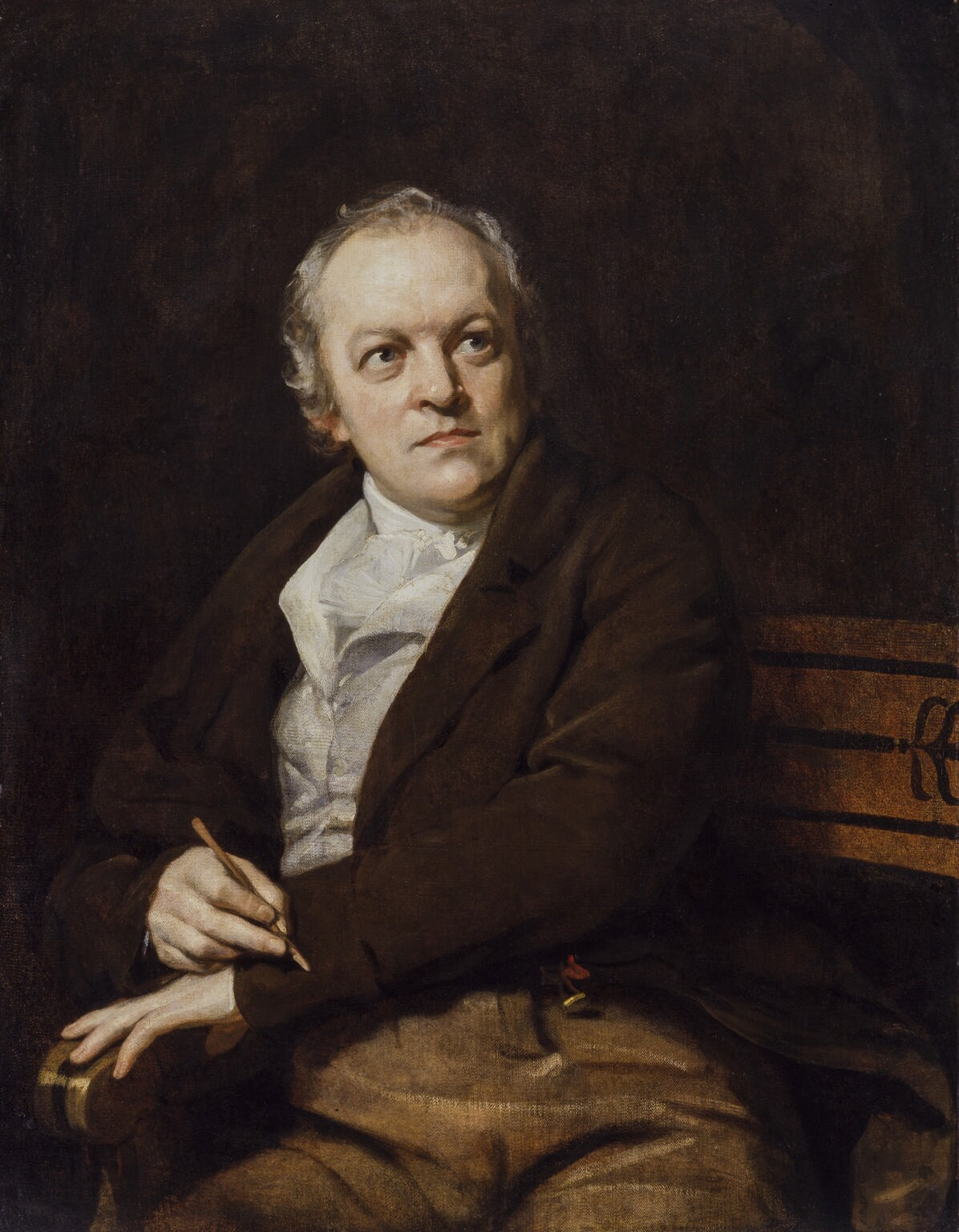
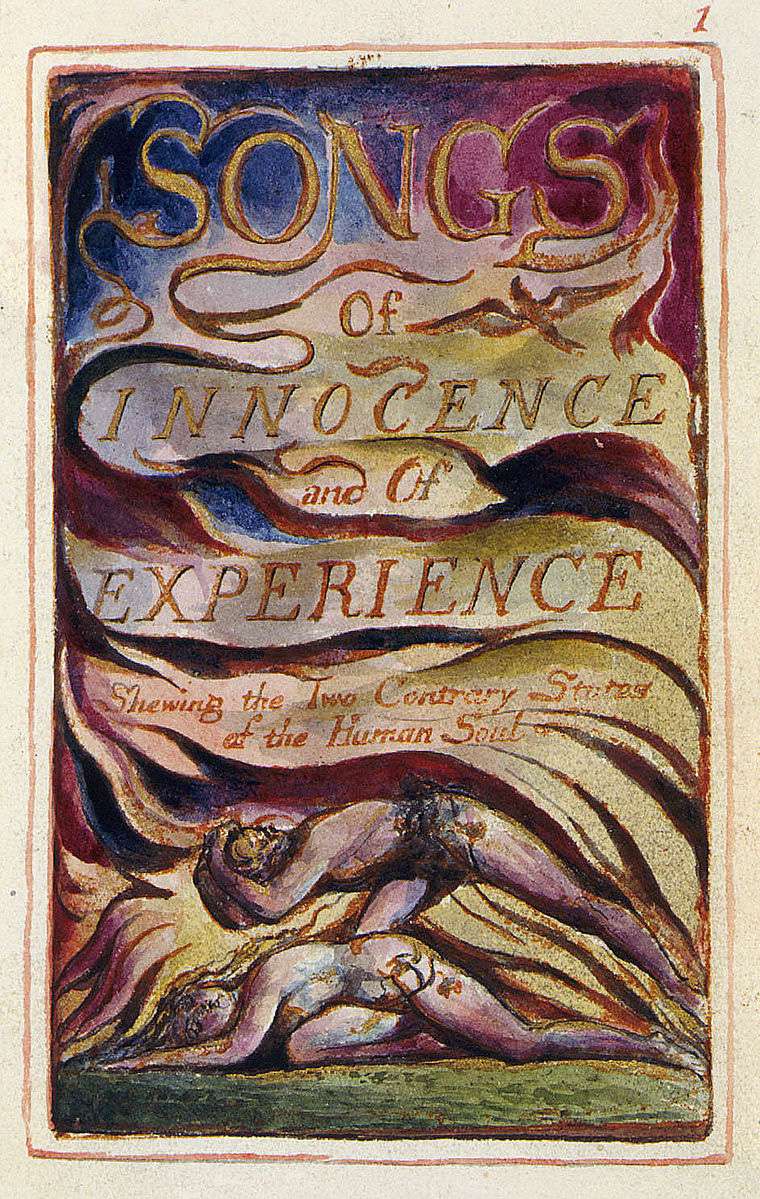
Imagine a poet so radical he invented his own printing press, hand-engraved every plate, and colored each copy like a medieval illuminated manuscript. That's William Blake in 1789, creating what would become a foundational text of English Romanticism. Songs of Innocence and Experience presents two opposing visions of human consciousness: the pastoral Innocence celebrates childhood wonder and divine presence in poems like "The Lamb," while Experience answers with industrial cruelty, political oppression, and existential doubt in "The Tyger" and "The Chimney-Sweeper." These are not separate works but mirror-poems meant to be read together, the same questions asked from opposite ends of the soul. Blake argues that true innocence is not the absence of experience but something forged through it. Each copy Blake made was unique, hand-colored, a complete artistic object. The poems appear simple, almost like nursery rhymes, but they contain an explosive critique of industrial capitalism, institutional religion, and the theft of childhood. These paired lyrics still rewire how we think about the human soul.
Editions
X-Ray
“Love seeketh not itself to please, nor for itself hath any care, but for another gives its ease, and builds a Heaven in Hell's despair.””
— William Blake
“Can I see anothers woe,And not be in sorrow too.Can I see anothers grief,And not seek for kind relief.””
— William Blake
“For Mercy has a human heartPity, a human face:And Love, the human form divine,And Peace, the human dress.””
— William Blake
“Little FlyThy summers play,My thoughtless handHas brush'd away.Am not IA fly like thee?Or art not thouA man like me?For I dance And drink & sing: Till some blind hand Shall brush my wing. If thought is life And strength & breath: And the want Of thought is death; Then am I A happy fly, If I live, Or if I die””
— William Blake
“When the stars threw down their spearsAnd watered heaven with their tears:Did he smile his work to see?Did he who made the Lamb make thee?””
— William Blake
“Then cherish pity, lest you drive an angel from your door.””
— William Blake
“I went to the Garden of Love, And saw what I never had seen: A Chapel was built in the midst, Where I used to play on the green. And the gates of this Chapel were shut, And 'Thou shalt not' writ over the door; So I turn'd to the Garden of Love, That so many sweet flowers bore. And I saw it was filled with graves, And tomb-stones where flowers should be: And Priests in black gowns, were walking their rounds, And binding with briars, my joys & desires.””
— William Blake
“How can the bird that is born for joySit in a cage and sing?How can a child, when fears annoy,But droop his tender wing,And forget his youthful spring?””
— William Blake
“I wander thro' each charter'd street, Near where the charter'd Thames does flow. And mark in every face I meet Marks of weakness, marks of woe. In every cry of every Man, In every Infants cry of fear, In every voice: in every ban, The mind-forg'd manacles I hear How the Chimney-sweepers cry Every blackning Church appalls, And the hapless Soldiers sigh Runs in blood down Palace walls But most thro' midnight streets I hear How the youthful Harlots curse Blasts the new-born Infants tear And blights with plagues the Marriage hearse.””
— William Blake
Link to this book
Add a free, dofollow link to Lex on your blog, forum, syllabus, or reading list.

<a href="https://lex-books.com/book/songs-of-innocence-and-of-experience-375ed7f9-e10b-4457-8113-8767b4f22c8f"><img src="https://lex-books.com/badges/read-on-lex.svg" alt="Read Songs of Innocence and of Experience by William Blake free on Lex" width="160" height="40"></a>[](https://lex-books.com/book/songs-of-innocence-and-of-experience-375ed7f9-e10b-4457-8113-8767b4f22c8f)[url=https://lex-books.com/book/songs-of-innocence-and-of-experience-375ed7f9-e10b-4457-8113-8767b4f22c8f][img]https://lex-books.com/badges/read-on-lex.svg[/img][/url]Read Songs of Innocence and of Experience by William Blake free on Lex: https://lex-books.com/book/songs-of-innocence-and-of-experience-375ed7f9-e10b-4457-8113-8767b4f22c8fCite this book
Reading this edition for a paper or guide? Copy a citation.
Blake, William. Songs of Innocence and of Experience. Lex, lex-books.com/book/songs-of-innocence-and-of-experience-375ed7f9-e10b-4457-8113-8767b4f22c8f.Blake, W. (1789). Songs of Innocence and of Experience. Lex. https://lex-books.com/book/songs-of-innocence-and-of-experience-375ed7f9-e10b-4457-8113-8767b4f22c8fBlake, William. Songs of Innocence and of Experience. Lex. https://lex-books.com/book/songs-of-innocence-and-of-experience-375ed7f9-e10b-4457-8113-8767b4f22c8f.