Small Catechism
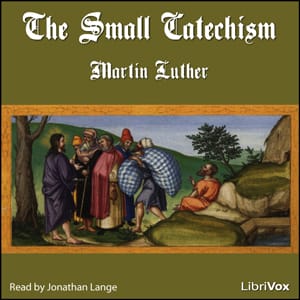
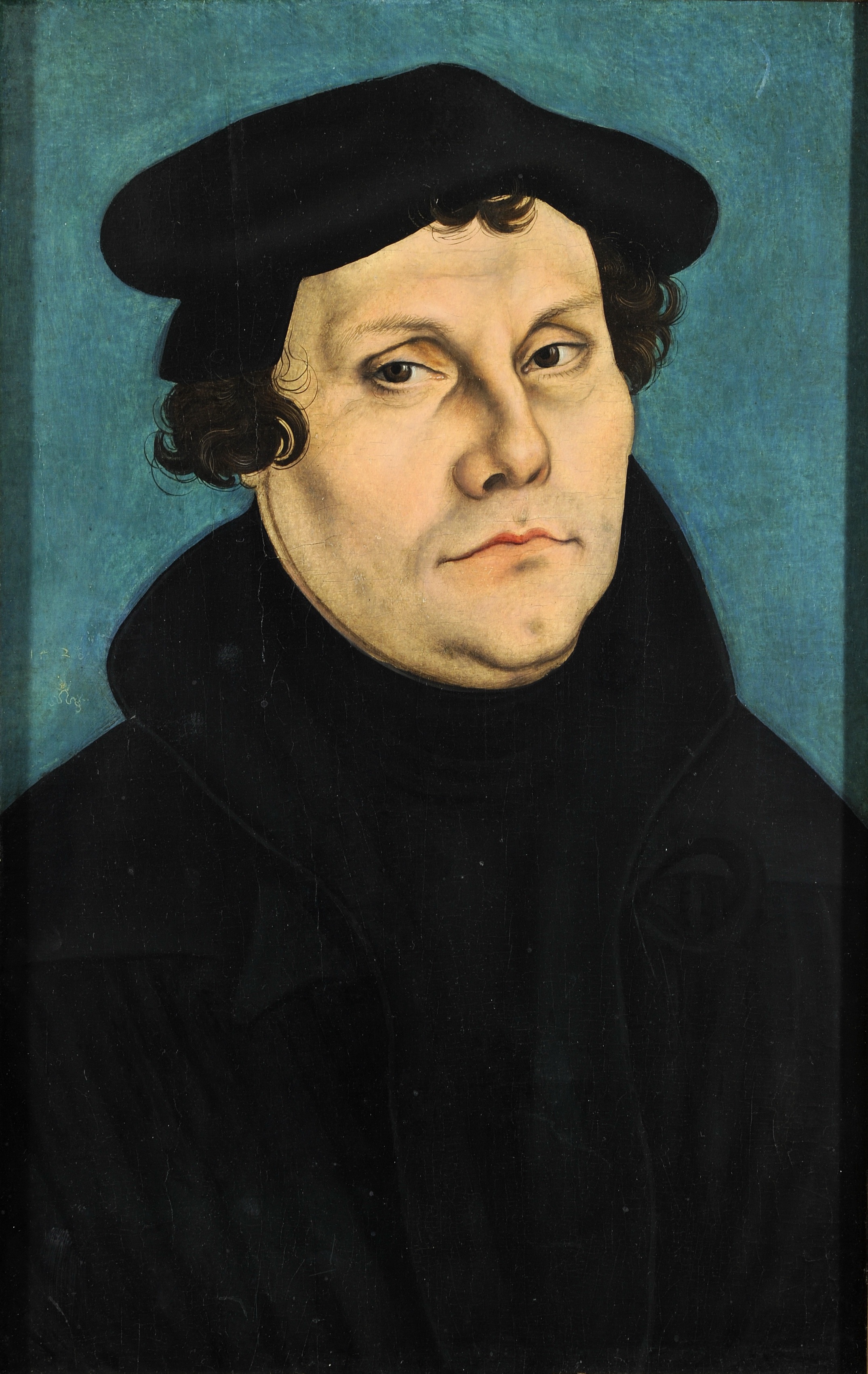
In 1529, Martin Luther performed an audacious act: he distilled the entire Christian faith into a text that a child could memorize. The Small Catechism was written not for scholars but for ordinary families, for servants, for anyone who needed the essentials of the Christian religion laid out with startling clarity. It covers the Six Chief Parts: the Ten Commandments, the Apostles' Creed, the Lord's Prayer, the Sacrament of Holy Baptism, the Office of the Keys and Confession, and the Sacrament of the Eucharist. Each section follows a simple question-and-answer format that was revolutionary in an era when most religious instruction was conducted in Latin and reserved for the clergy. Luther intended parents to use it to teach their children, and where parents failed, the catechism itself would do the teaching. Five centuries later, it remains in active use in Lutheran churches worldwide, making it one of the longest-running educational texts in human history. The Small Catechism is not merely a historical artifact but a living document that continues to shape how millions understand grace, faith, and the sacraments. It is for anyone curious about the foundations of Protestant Christianity or the strange persistence of a sixteenth-century textbook in modern life.
Editions

Link to this book
Add a free, dofollow link to Lex on your blog, forum, syllabus, or reading list.

<a href="https://lex-books.com/book/small-catechism-6535b8fd-fd58-406e-a0b2-dfd76a531eb4"><img src="https://lex-books.com/badges/read-on-lex.svg" alt="Read Small Catechism by Martin Luther free on Lex" width="160" height="40"></a>[](https://lex-books.com/book/small-catechism-6535b8fd-fd58-406e-a0b2-dfd76a531eb4)[url=https://lex-books.com/book/small-catechism-6535b8fd-fd58-406e-a0b2-dfd76a531eb4][img]https://lex-books.com/badges/read-on-lex.svg[/img][/url]Read Small Catechism by Martin Luther free on Lex: https://lex-books.com/book/small-catechism-6535b8fd-fd58-406e-a0b2-dfd76a531eb4Cite this book
Reading this edition for a paper or guide? Copy a citation.
Luther, Martin. Small Catechism. Lex, lex-books.com/book/small-catechism-6535b8fd-fd58-406e-a0b2-dfd76a531eb4.Luther, M. (n.d.). Small Catechism. Lex. https://lex-books.com/book/small-catechism-6535b8fd-fd58-406e-a0b2-dfd76a531eb4Luther, Martin. Small Catechism. Lex. https://lex-books.com/book/small-catechism-6535b8fd-fd58-406e-a0b2-dfd76a531eb4.