Concerning Christian Liberty; with Letter of Martin Luther to Pope Leo X.
1520
Concerning Christian Liberty; with Letter of Martin Luther to Pope Leo X.
1520
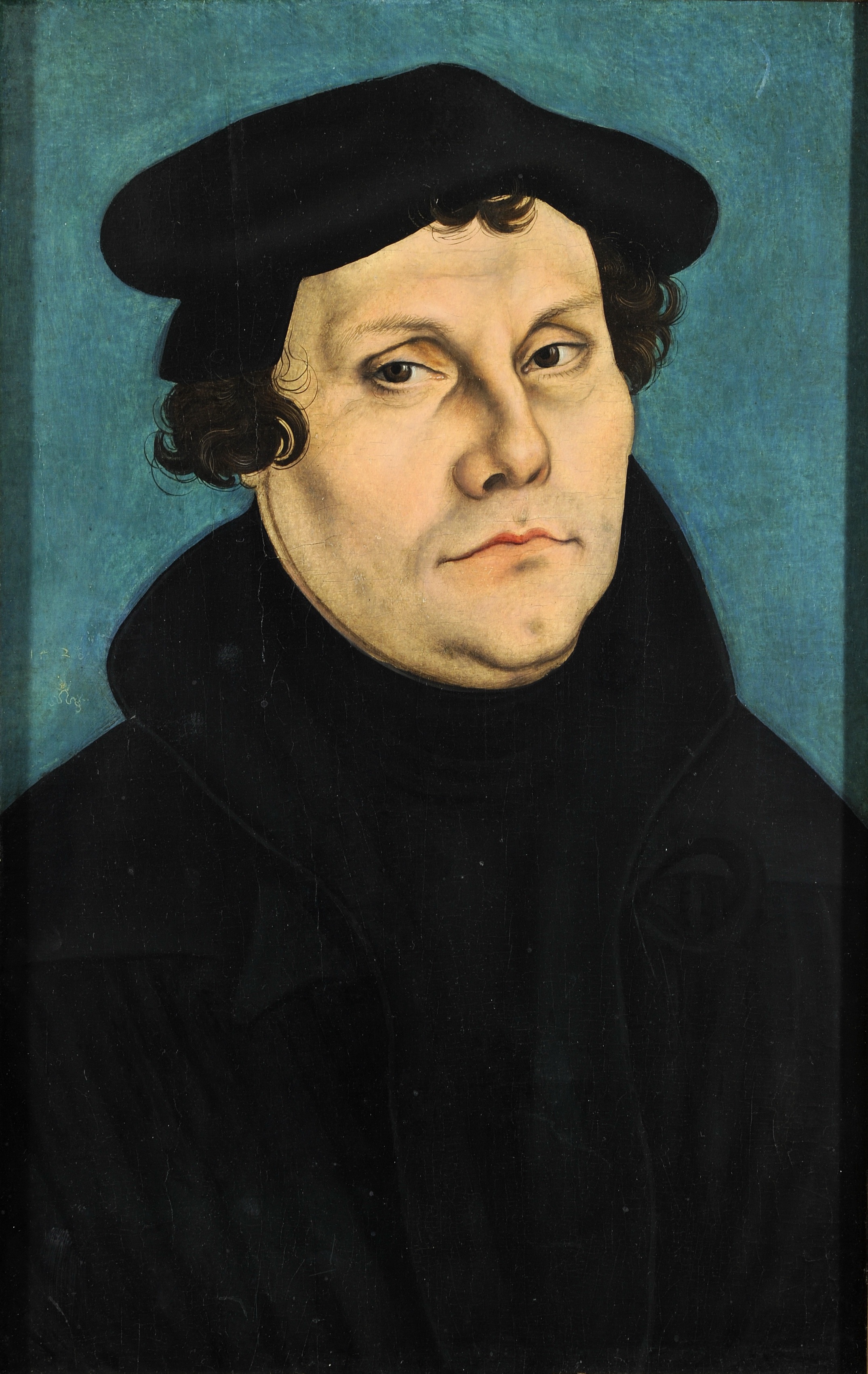
In 1520, a German monk with nothing to lose wrote a manifesto that would shatter the medieval world. Concerning Christian Liberty is Martin Luther's theological thunderbolt, the document where he articulates the idea that would ignite the Protestant Reformation: that human beings are made right with God through faith alone, not through papal decrees, indulgences, or the endless machinery of ecclesiastical obligation. The treatise opens with a fiery letter to Pope Leo X, in which Luther defends himself against accusations of papal disrespect while cataloging the Church's corruption with startling directness. But the heart of the work lies in its paradox: true Christian freedom is not the license to do whatever one wishes, but rather the liberation from spiritual bondage that comes through trusting wholly in Christ's righteousness. Luther dismantles the notion that good works earn salvation, arguing instead that genuine faith naturally produces good fruit. The consequences were seismic. This short, incendiary text helped spark religious wars, redrew the map of Europe, and fundamentally altered how the Western mind understands the relationship between belief and behavior. It remains essential reading for anyone seeking to understand the intellectual origins of the modern world.
Editions
X-Ray
“A Christian is a perfectly free lord of all, subject to none. A Christian is a perfectly dutiful servant of all, subject of all, subject to all.””
— Martin Luther
“The soul can do without everything except the word of God, without which none at all of its wants are provided for.””
— Martin Luther
“To preach Christ is to feed the soul, to justify it, to set it free, and to save it, if it believes the preaching.””
— Martin Luther
“Good works do not make a good man, but a good man does good works; evil works do not make a wicked man, but a wicked man does evil works.””
— Martin Luther
“The Church of Rome ... has become the most lawless den of thieves, the most shameless of all brothels, the very kingdom of sin, death and hell; so that not even antichrist ,if he were to come, could devise any addition to its wickedness.””
— Martin Luther
“One thing, and only one thing, is necessary for Christian life, righteousness, and freedom. That one thing is the most holy Word of God, the gospel of Christ.””
— Martin Luther
“All we who believe on Christ are kings and priests in Christ.””
— Martin Luther
“Although the Christian is thus free from all works, he ought in this liberty to empty himself, take upon himself the form of a servant, be made in the likeness of men, be found in human form, and to serve, help and in every way deal with his neighbor as he sees that God through Christ has dealt and still deals with him.””
— Martin Luther
“Fight vigorously against the wolves, but on behalf of the sheep, not against the sheep. And this you may do by inveighing against the laws and lawgivers, and yet at the same time observing these laws with the weak, lest they be offended, until they shall themselves recognize the tyranny, and understand their own liberty.””
— Martin Luther
Link to this book
Add a free, dofollow link to Lex on your blog, forum, syllabus, or reading list.

<a href="https://lex-books.com/book/concerning-christian-liberty-with-letter-of-martin-luther-to-pope-leo-x-37a3a5b1-7a24-40f0-bae9-74766b6ec533"><img src="https://lex-books.com/badges/read-on-lex.svg" alt="Read Concerning Christian Liberty; with Letter of Martin Luther to Pope Leo X. by Martin Luther free on Lex" width="160" height="40"></a>[](https://lex-books.com/book/concerning-christian-liberty-with-letter-of-martin-luther-to-pope-leo-x-37a3a5b1-7a24-40f0-bae9-74766b6ec533)[url=https://lex-books.com/book/concerning-christian-liberty-with-letter-of-martin-luther-to-pope-leo-x-37a3a5b1-7a24-40f0-bae9-74766b6ec533][img]https://lex-books.com/badges/read-on-lex.svg[/img][/url]Read Concerning Christian Liberty; with Letter of Martin Luther to Pope Leo X. by Martin Luther free on Lex: https://lex-books.com/book/concerning-christian-liberty-with-letter-of-martin-luther-to-pope-leo-x-37a3a5b1-7a24-40f0-bae9-74766b6ec533Cite this book
Reading this edition for a paper or guide? Copy a citation.
Luther, Martin. Concerning Christian Liberty; with Letter of Martin Luther to Pope Leo X.. Lex, lex-books.com/book/concerning-christian-liberty-with-letter-of-martin-luther-to-pope-leo-x-37a3a5b1-7a24-40f0-bae9-74766b6ec533.Luther, M. (1520). Concerning Christian Liberty; with Letter of Martin Luther to Pope Leo X.. Lex. https://lex-books.com/book/concerning-christian-liberty-with-letter-of-martin-luther-to-pope-leo-x-37a3a5b1-7a24-40f0-bae9-74766b6ec533Luther, Martin. Concerning Christian Liberty; with Letter of Martin Luther to Pope Leo X.. Lex. https://lex-books.com/book/concerning-christian-liberty-with-letter-of-martin-luther-to-pope-leo-x-37a3a5b1-7a24-40f0-bae9-74766b6ec533.