Commentary on the Epistle to the Galatians
1535
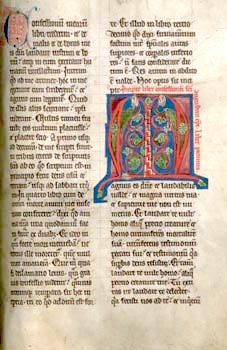
This is the book Martin Luther considered his finest work, the one that contained 'the sum and substance of all doctrine.' Written over two decades and published in 1535, it is less a commentary than a spiritual autobiography: Luther saw his own desperate struggle against sin and guilt reflected in Paul's letter to the Galatian churches, and the result is theological writing of almost frightening intensity. He pulls apart the argument between Paul and the 'Judaizers' who demanded that Gentile converts follow Jewish law, using the controversy to articulate the revolutionary doctrine that justifies sinners by faith alone, apart from works. The commentary crackles with urgency because Luther believed souls were at stake. He writes not as a detached scholar but as a man who had stared into the abyss of his own unworthiness and found grace waiting on the other side. This is the theological heart of the Protestant Reformation, dense with exegetical insight yet passionate enough to ignite revolutions. It remains essential reading for anyone who wants to understand how Christianity split apart and why Luther's understanding of freedom through faith still shapes the modern world.
Editions
X-Ray
“To be convinced in our hearts that we have forgiveness of sins and peace with God by grace alone is the hardest thing.””
— Martin Luther
“By faith we began, by hope we continue, and by revelation we shall obtain the whole.””
— Martin Luther
“We are nothing with all our gifts be they ever so great, except God assist us.””
— Martin Luther
“It is easy enough to do good once or twice, but to keep on doing good without getting disgusted with the ingratitude of those whom we have benefited, that is not so easy.””
— Martin Luther
“If we do not love God and His Word what difference does it make if we love anything at all?””
— Martin Luther
“God does not slack his promises because of our sins... or hasten them because of our righteousness and merits. He pays no attention to either.””
— Martin Luther
“My neighbor is every person, especially those who need my help, as Christ explained in the tenth chapter of Luke. Even if a person has done me some wrong, or has hurt me in any way, he is still a human being with flesh and blood. As long as a person remains a human being, so long is he to be an object of our love.””
— Martin Luther
“We find no rest for our weary bones unless we cling to the word of grace.””
— Martin Luther
“Christ is no Moses, no law-giver, no tyrant, but the Mediator for sins, the Giver of grace and life.””
— Martin Luther
Link to this book
Add a free, dofollow link to Lex on your blog, forum, syllabus, or reading list.

<a href="https://lex-books.com/book/commentary-on-the-epistle-to-the-galatians-2febbf7a-3ef5-4e25-bbaa-c3982527d234"><img src="https://lex-books.com/badges/read-on-lex.svg" alt="Read Commentary on the Epistle to the Galatians by Martin Luther free on Lex" width="160" height="40"></a>[](https://lex-books.com/book/commentary-on-the-epistle-to-the-galatians-2febbf7a-3ef5-4e25-bbaa-c3982527d234)[url=https://lex-books.com/book/commentary-on-the-epistle-to-the-galatians-2febbf7a-3ef5-4e25-bbaa-c3982527d234][img]https://lex-books.com/badges/read-on-lex.svg[/img][/url]Read Commentary on the Epistle to the Galatians by Martin Luther free on Lex: https://lex-books.com/book/commentary-on-the-epistle-to-the-galatians-2febbf7a-3ef5-4e25-bbaa-c3982527d234Cite this book
Reading this edition for a paper or guide? Copy a citation.
Luther, Martin. Commentary on the Epistle to the Galatians. Lex, lex-books.com/book/commentary-on-the-epistle-to-the-galatians-2febbf7a-3ef5-4e25-bbaa-c3982527d234.Luther, M. (1535). Commentary on the Epistle to the Galatians. Lex. https://lex-books.com/book/commentary-on-the-epistle-to-the-galatians-2febbf7a-3ef5-4e25-bbaa-c3982527d234Luther, Martin. Commentary on the Epistle to the Galatians. Lex. https://lex-books.com/book/commentary-on-the-epistle-to-the-galatians-2febbf7a-3ef5-4e25-bbaa-c3982527d234.