Disputation of Doctor Martin Luther on the Power and Efficacy of Indulgences
Disputation of Doctor Martin Luther on the Power and Efficacy of Indulgences
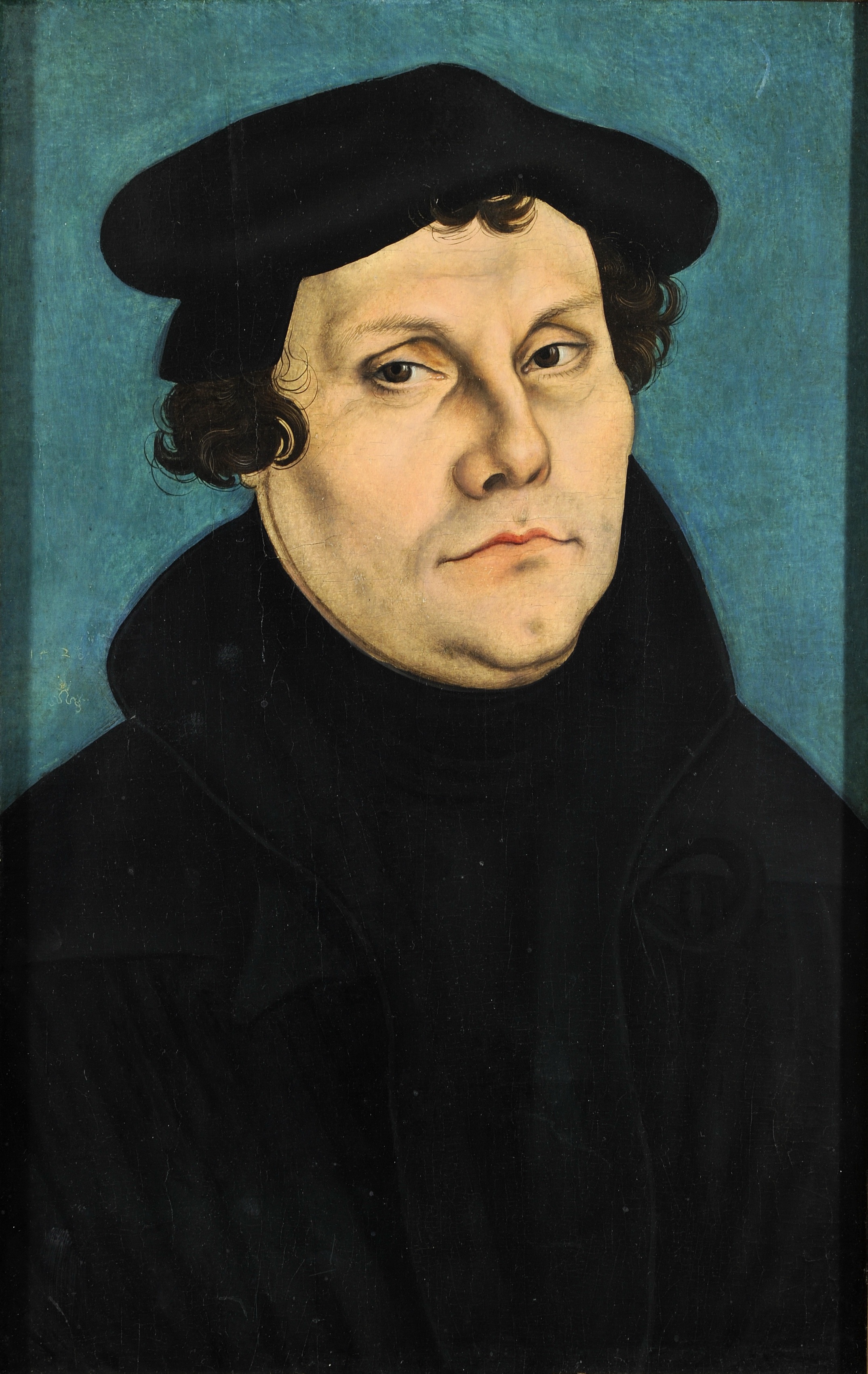
In 1517, a German professor of theology did something that would reshape the modern world: he nailed 95 propositions to the door of a church in Wittenberg. What began as an academic disputation became the spark that ignited the Protestant Reformation. Martin Luther's assault on indulgences the practice of purchasing forgiveness through certificates that supposedly reduced time in purgatory was really an assault on the entire system of ecclesiastical authority. He argued that true repentance must be interior, a transformation of the heart, not merely external confession. The church's treasury of merit, he charged, could not be bartered like spiritual currency. The Pope himself, Luther insisted, had no power over divine forgiveness. This document didn't merely challenge a religious practice. It shattered the Catholic Church's monopoly on spiritual authority and fundamentally altered the relationship between individual conscience and institutional power. The consequences would include religious wars, the birth of Protestantism, and ideas that would eventually ripple into modern concepts of individual rights and rebellion against unquestioned authority.
Editions
X-Ray
“Here I stand, I can do no other, God help me. Amen!””
— Martin Luther
“Injury is done to the Word of God when, in the same sermon, an equal or larger amount of time is devoted to indulgences than to the Word.””
— Martin Luther
“Dominus et magister nī Jesus Chrs̄ dicendo, Penitentiam agite etc, omnē vitam fidelium penitentiam esse voluit.(Our Lord and teacher, Jesus Christ, in saying, "repent," wanted the entire life life of a believer to be repentance.)””
— Martin Luther
Link to this book
Add a free, dofollow link to Lex on your blog, forum, syllabus, or reading list.

<a href="https://lex-books.com/book/disputation-of-doctor-martin-luther-on-the-power-and-efficacy-of-indulgences-b77b300a-046a-437f-a62f-d733c6c7f82a"><img src="https://lex-books.com/badges/read-on-lex.svg" alt="Read Disputation of Doctor Martin Luther on the Power and Efficacy of Indulgences by Martin Luther free on Lex" width="160" height="40"></a>[](https://lex-books.com/book/disputation-of-doctor-martin-luther-on-the-power-and-efficacy-of-indulgences-b77b300a-046a-437f-a62f-d733c6c7f82a)[url=https://lex-books.com/book/disputation-of-doctor-martin-luther-on-the-power-and-efficacy-of-indulgences-b77b300a-046a-437f-a62f-d733c6c7f82a][img]https://lex-books.com/badges/read-on-lex.svg[/img][/url]Read Disputation of Doctor Martin Luther on the Power and Efficacy of Indulgences by Martin Luther free on Lex: https://lex-books.com/book/disputation-of-doctor-martin-luther-on-the-power-and-efficacy-of-indulgences-b77b300a-046a-437f-a62f-d733c6c7f82aCite this book
Reading this edition for a paper or guide? Copy a citation.
Luther, Martin. Disputation of Doctor Martin Luther on the Power and Efficacy of Indulgences. Lex, lex-books.com/book/disputation-of-doctor-martin-luther-on-the-power-and-efficacy-of-indulgences-b77b300a-046a-437f-a62f-d733c6c7f82a.Luther, M. (n.d.). Disputation of Doctor Martin Luther on the Power and Efficacy of Indulgences. Lex. https://lex-books.com/book/disputation-of-doctor-martin-luther-on-the-power-and-efficacy-of-indulgences-b77b300a-046a-437f-a62f-d733c6c7f82aLuther, Martin. Disputation of Doctor Martin Luther on the Power and Efficacy of Indulgences. Lex. https://lex-books.com/book/disputation-of-doctor-martin-luther-on-the-power-and-efficacy-of-indulgences-b77b300a-046a-437f-a62f-d733c6c7f82a.