Sir Thomas Browne and His 'religio Medici': An Appreciation
Sir Thomas Browne and His 'religio Medici': An Appreciation
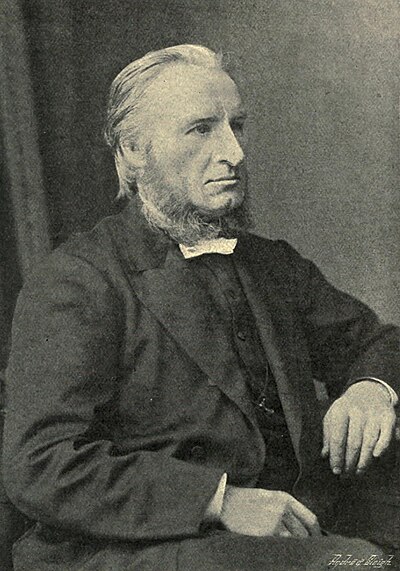
Sir Thomas Browne was a 17th-century physician who somehow believed in both God and atoms, in angels and empirical observation, and in "Religio Medici" he set down his reckoning with this impossible harmony. Written as a personal confession rather than a theological treatise, Browne's masterpiece wavers between piety and skepticism, between wonder at creation and acceptance of mortality, in prose so ornate it feels almost alien to modern ears yet utterly hypnotic. Alexander Whyte, a 19th-century Scottish divine, guides readers through Browne's peculiar mind with the reverence of one pilgrim showing another the sights. The book interleaves Whyte's appreciation with generous selections from Browne's own wandering, magnificent sentences, allowing readers to taste the original even while Whyte contextualizes it. This is not criticism so much as companionship: Whyte wants you to sit with Browne, to wonder at his contradictions, to feel the force of a man who could be devout and curious, faithful and doubtful, all at once. For readers drawn to the strange geniuses of the past, those who wrote before the wall between religion and science became so absolute, this appreciation is a door into a vanished but still vital way of thinking.
Editions
Link to this book
Add a free, dofollow link to Lex on your blog, forum, syllabus, or reading list.

<a href="https://lex-books.com/book/sir-thomas-browne-and-his-religio-medici-an-appreciation-0838caa4-fcba-40a9-919b-ace3f95a7ad3"><img src="https://lex-books.com/badges/read-on-lex.svg" alt="Read Sir Thomas Browne and His 'religio Medici': An Appreciation by Alexander Whyte free on Lex" width="160" height="40"></a>[](https://lex-books.com/book/sir-thomas-browne-and-his-religio-medici-an-appreciation-0838caa4-fcba-40a9-919b-ace3f95a7ad3)[url=https://lex-books.com/book/sir-thomas-browne-and-his-religio-medici-an-appreciation-0838caa4-fcba-40a9-919b-ace3f95a7ad3][img]https://lex-books.com/badges/read-on-lex.svg[/img][/url]Read Sir Thomas Browne and His 'religio Medici': An Appreciation by Alexander Whyte free on Lex: https://lex-books.com/book/sir-thomas-browne-and-his-religio-medici-an-appreciation-0838caa4-fcba-40a9-919b-ace3f95a7ad3Cite this book
Reading this edition for a paper or guide? Copy a citation.
Whyte, Alexander. Sir Thomas Browne and His 'religio Medici': An Appreciation. Lex, lex-books.com/book/sir-thomas-browne-and-his-religio-medici-an-appreciation-0838caa4-fcba-40a9-919b-ace3f95a7ad3.Whyte, A. (n.d.). Sir Thomas Browne and His 'religio Medici': An Appreciation. Lex. https://lex-books.com/book/sir-thomas-browne-and-his-religio-medici-an-appreciation-0838caa4-fcba-40a9-919b-ace3f95a7ad3Whyte, Alexander. Sir Thomas Browne and His 'religio Medici': An Appreciation. Lex. https://lex-books.com/book/sir-thomas-browne-and-his-religio-medici-an-appreciation-0838caa4-fcba-40a9-919b-ace3f95a7ad3.