Signing the Contract, and What It Cost
1879
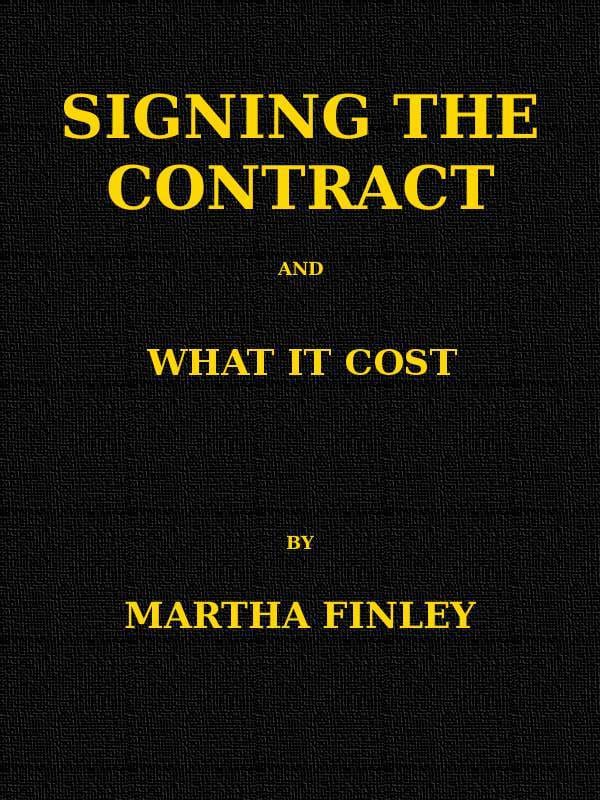
A young mother, certain she is dying, signs away her infant daughter to a childless couple she will never see again. She survives. This is the story of what that contract cost her. Martha Finley's 1879 novel operates in the tradition of Victorian sentimental fiction, but with an unsentimental willingness to sit in the discomfort of impossible choices. The young woman is not punished for her decision, exactly, nor is she rewarded. Instead, Finley traces the long ripple effects of an act done in desperation and love alike. The Kempers who take the child are not villains; they are kind people who cannot help but wonder about the mother who gave them this gift. The daughter will grow up with questions that have no safe answers. What makes this novel endure is its refusal to resolve into simple morality. There is no villain here, only people trying to survive circumstances that offer no good options. It is a story about what we owe to children we bear versus children we raise, and how a single moment of decision can echo across a lifetime. For readers who appreciate historical fiction that treats women's lives as genuinely complex.
Editions
Link to this book
Add a free, dofollow link to Lex on your blog, forum, syllabus, or reading list.

<a href="https://lex-books.com/book/signing-the-contract-and-what-it-cost-6748ddce-fa87-4071-99e5-92ebb33a1cbd"><img src="https://lex-books.com/badges/read-on-lex.svg" alt="Read Signing the Contract, and What It Cost by Martha Finley free on Lex" width="160" height="40"></a>[](https://lex-books.com/book/signing-the-contract-and-what-it-cost-6748ddce-fa87-4071-99e5-92ebb33a1cbd)[url=https://lex-books.com/book/signing-the-contract-and-what-it-cost-6748ddce-fa87-4071-99e5-92ebb33a1cbd][img]https://lex-books.com/badges/read-on-lex.svg[/img][/url]Read Signing the Contract, and What It Cost by Martha Finley free on Lex: https://lex-books.com/book/signing-the-contract-and-what-it-cost-6748ddce-fa87-4071-99e5-92ebb33a1cbdCite this book
Reading this edition for a paper or guide? Copy a citation.
Finley, Martha. Signing the Contract, and What It Cost. Lex, lex-books.com/book/signing-the-contract-and-what-it-cost-6748ddce-fa87-4071-99e5-92ebb33a1cbd.Finley, M. (1879). Signing the Contract, and What It Cost. Lex. https://lex-books.com/book/signing-the-contract-and-what-it-cost-6748ddce-fa87-4071-99e5-92ebb33a1cbdFinley, Martha. Signing the Contract, and What It Cost. Lex. https://lex-books.com/book/signing-the-contract-and-what-it-cost-6748ddce-fa87-4071-99e5-92ebb33a1cbd.