Elsie Yachting with the Raymonds
1890
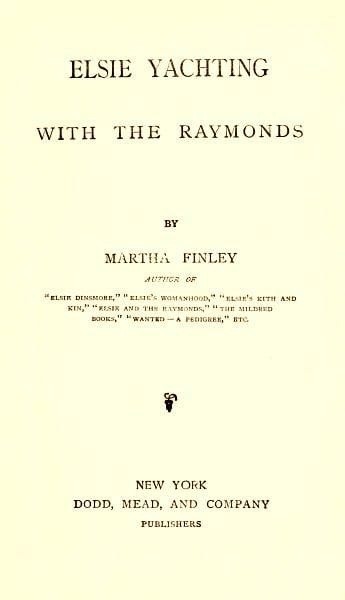
Elsie Yachting with the Raymonds
1890
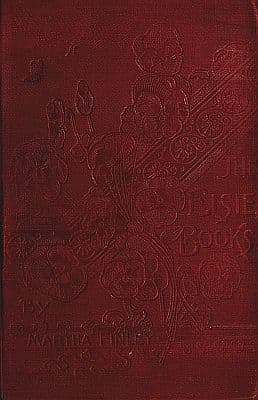
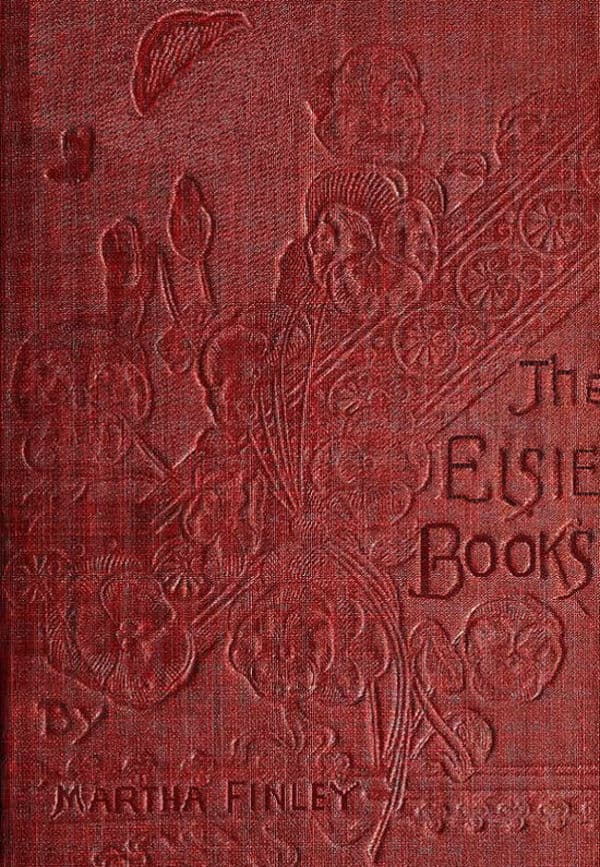
Elsie Raymond and her family board their yacht for a coastal voyage from Boston to Annapolis, carrying readers through a uniquely Victorian blend of adventure and instruction. As the children, including eager Max and the younger ones, travel with their father Captain Raymond, each day brings new lessons in American history, West Point's military grounds, Revolutionary War battlefields, and the storied halls of Annapolis. The yacht becomes both vessel and sanctuary, a space where daily prayersbookend the adventure and moral lessons unfold as naturally as the tide. Finley writes with the conviction that education and virtue are inseparable, that a father's guidance and a mother's piety can shape upright American citizens. The book offers a window into what Victorians considered wholesome entertainment: stories that could stir the heart while improving the mind. While modern readers may find the didactic tone more pronounced than contemporary children's literature, the series shaped generations of young readers and remains a cultural artifact of how 19th-century Americans imagined the ideal family journey.
Editions
Link to this book
Add a free, dofollow link to Lex on your blog, forum, syllabus, or reading list.

<a href="https://lex-books.com/book/elsie-yachting-with-the-raymonds-69c545b3-39b1-4731-98e2-8d4b451a6cc2"><img src="https://lex-books.com/badges/read-on-lex.svg" alt="Read Elsie Yachting with the Raymonds by Martha Finley free on Lex" width="160" height="40"></a>[](https://lex-books.com/book/elsie-yachting-with-the-raymonds-69c545b3-39b1-4731-98e2-8d4b451a6cc2)[url=https://lex-books.com/book/elsie-yachting-with-the-raymonds-69c545b3-39b1-4731-98e2-8d4b451a6cc2][img]https://lex-books.com/badges/read-on-lex.svg[/img][/url]Read Elsie Yachting with the Raymonds by Martha Finley free on Lex: https://lex-books.com/book/elsie-yachting-with-the-raymonds-69c545b3-39b1-4731-98e2-8d4b451a6cc2Cite this book
Reading this edition for a paper or guide? Copy a citation.
Finley, Martha. Elsie Yachting with the Raymonds. Lex, lex-books.com/book/elsie-yachting-with-the-raymonds-69c545b3-39b1-4731-98e2-8d4b451a6cc2.Finley, M. (1890). Elsie Yachting with the Raymonds. Lex. https://lex-books.com/book/elsie-yachting-with-the-raymonds-69c545b3-39b1-4731-98e2-8d4b451a6cc2Finley, Martha. Elsie Yachting with the Raymonds. Lex. https://lex-books.com/book/elsie-yachting-with-the-raymonds-69c545b3-39b1-4731-98e2-8d4b451a6cc2.