Selections from the Speeches and Writings of Edmund Burke
1853
Selections from the Speeches and Writings of Edmund Burke
1853
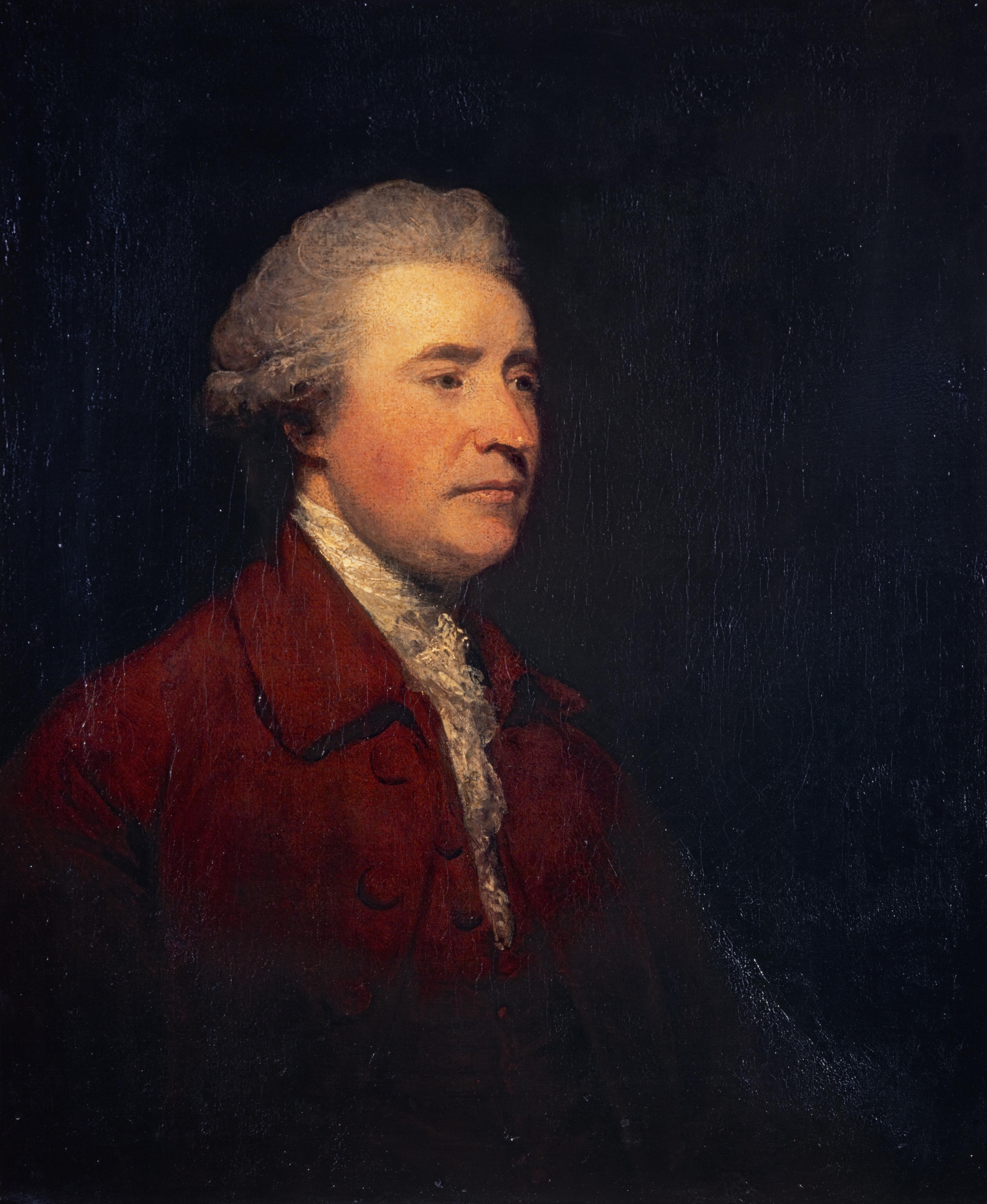
Edmund Burke wrote with the urgency of a man watching civilization teeter. This collection gathers his most incendiary speeches and essays, the works that birthed modern conservatism not as reaction but as philosophy: a reasoned defense of inherited wisdom against the intoxication of abstract perfectibility. Here is the Burke who denounced the French Revolution while championing American liberty, who understood that freedom without tradition becomes tyranny, that rights without responsibilities rot from within. His prose swings between forensic precision and genuine eloquence, passages that read less like political theory than prophetic warning. Whether dissecting the corruption of the House of Commons or meditating on the moral obligations of power, Burke argues one thing consistently: that society is a partnership not just among the living, but between the dead, the living, and those yet unborn. Two centuries of revolution and counter-revolution have only confirmed what he saw with terrible clarity.
Editions
X-Ray
“The human mind is often, and I think it is for the most part, in a state neither of pain nor pleasure, which I call a state of indifference.””
— Edmund Burke
“It is our ignorance of things that causes all our admiration and chiefly excites our passions.””
— Edmund Burke
“Whatever is fitted in any sort to excite the ideas of pain, and danger, that is to say, whatever is in any sort terrible, or is conversant about terrible objects, or operates in a manner analogous to terror, is a source of the sublime; that is, it is productive of the strongest emotion which the mind is capable of feeling .... When danger or pain press too nearly, they are incapable of giving any delight, and [yet] with certain modifications, they may be, and they are delightful, as we every day experience.””
— Edmund Burke
“For there is in mankind an unfortunate propensity to make themselves, their views and their works, the measure of excellence in every thing whatsoever””
— Edmund Burke
“So that poetry, with all its obscurity, has a more general, as well as a more powerful dominion over the passions, than the other art. And I think there are reasons in nature, why the obscure idea, when properly conveyed, should be more affecting than the clear. It is our ignorance of things that causes all our admiration, and chiefly excites our passions. Knowledge and acquaintance make the most striking causes affect but little. It is thus with the vulgar; and all men are as the vulgar in what they do not understand.””
— Edmund Burke
“[A]rt can never give the rules that make an art.””
— Edmund Burke
“The mind of man possesses a sort of creative power on its own; either in representing at pleasure the images of things in the order and manner in which they were received by the senses, or in combining those images in a new manner, and according to a different order. This power is called imagination.””
— Edmund Burke
“I have often observed, that on mimicking the looks and gestures of angry, or placid, or frighted, or daring men, I have involuntarily found my mind turned to that passion, whose appearance I endeavored to imitate; nay, I am convinced it is hard to avoid it, though one strove to separate the passion from its correspondent gestures. Our minds and bodies are so closely and intimately connected, that one is incapable of pain or pleasure without the other.””
— Edmund Burke
“There are also many descriptions in the poets and orators, which owe their sublimity to a richness and profusion of images, in which the mind is so dazzled as to make it impossible to attend to that exact coherence and agreement of the allusions, which we should require on every other occasion.””
— Edmund Burke
Link to this book
Add a free, dofollow link to Lex on your blog, forum, syllabus, or reading list.

<a href="https://lex-books.com/book/selections-from-the-speeches-and-writings-of-edmund-burke-cd15cfe0-b826-4e86-8509-8c401c010427"><img src="https://lex-books.com/badges/read-on-lex.svg" alt="Read Selections from the Speeches and Writings of Edmund Burke by Edmund Burke free on Lex" width="160" height="40"></a>[](https://lex-books.com/book/selections-from-the-speeches-and-writings-of-edmund-burke-cd15cfe0-b826-4e86-8509-8c401c010427)[url=https://lex-books.com/book/selections-from-the-speeches-and-writings-of-edmund-burke-cd15cfe0-b826-4e86-8509-8c401c010427][img]https://lex-books.com/badges/read-on-lex.svg[/img][/url]Read Selections from the Speeches and Writings of Edmund Burke by Edmund Burke free on Lex: https://lex-books.com/book/selections-from-the-speeches-and-writings-of-edmund-burke-cd15cfe0-b826-4e86-8509-8c401c010427Cite this book
Reading this edition for a paper or guide? Copy a citation.
Burke, Edmund. Selections from the Speeches and Writings of Edmund Burke. Lex, lex-books.com/book/selections-from-the-speeches-and-writings-of-edmund-burke-cd15cfe0-b826-4e86-8509-8c401c010427.Burke, E. (1853). Selections from the Speeches and Writings of Edmund Burke. Lex. https://lex-books.com/book/selections-from-the-speeches-and-writings-of-edmund-burke-cd15cfe0-b826-4e86-8509-8c401c010427Burke, Edmund. Selections from the Speeches and Writings of Edmund Burke. Lex. https://lex-books.com/book/selections-from-the-speeches-and-writings-of-edmund-burke-cd15cfe0-b826-4e86-8509-8c401c010427.