Rover (Part One)

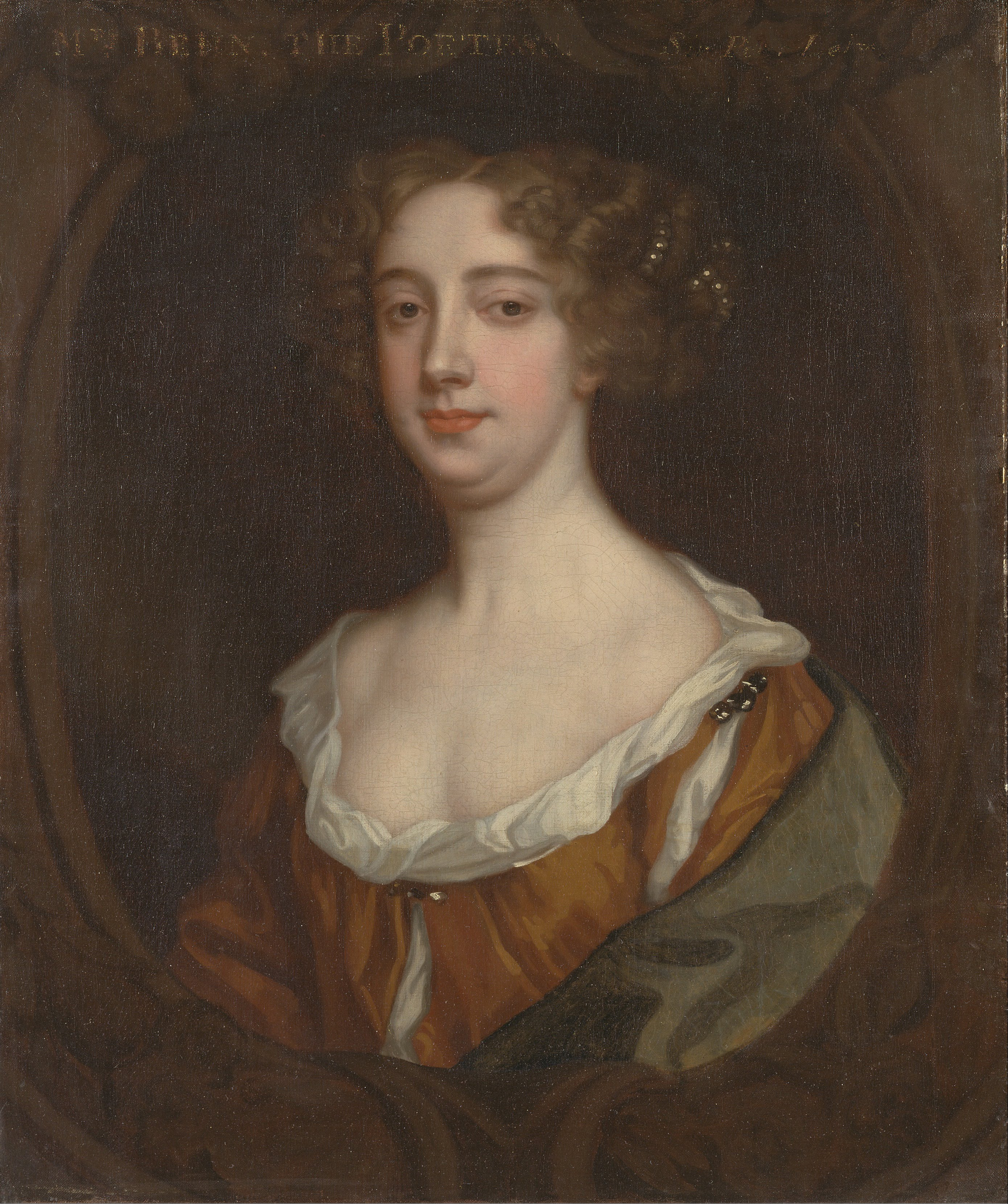
Aphra Behn's scandalous 1677 comedy explodes onto the stage with a carnival in Naples where anything goes. The Rover himself, the rakish sea captain Willmore, has come ashore seeking pleasure and finds far more than he bargained for: a young heiress named Hellena, who has escaped her brother's plans to cloister her in a convent, determined to sample the joys of love before it's too late. But Willmore has also caught the attention of Angellica Bianca, a legendary courtesan with a famous price tag and a dangerous capacity for passion. When his libertine promises turn to betrayal, her wounded pride becomes a weapon. Meanwhile, Hellena's sister Florinda schemes to marry the colonel she loves rather than the man her brother has chosen, and the pompous Blunt discovers that a beautiful stranger's affection comes with a steep and humiliating cost. Behn, the first English woman to earn her living by writing, constructed this play as a furious argument for women's right to desire. Hellena refuses to be "kept" in a nunnery; Angellica demands payment for what she has given. The Carnival masks fall, but what emerges is not shame but the raw, uncomfortable truth that women want as badly as men do and will scheme, steal, and speak plainly to get it. The Rover remains electrifying over three centuries later because it refuses to let women be silent, invisible, or nice about their hunger.
Editions

Link to this book
Add a free, dofollow link to Lex on your blog, forum, syllabus, or reading list.

<a href="https://lex-books.com/book/rover-part-one-6b9cf25f-84b7-409a-a98c-70644ac6d9de"><img src="https://lex-books.com/badges/read-on-lex.svg" alt="Read Rover (Part One) by Aphra Behn free on Lex" width="160" height="40"></a>[](https://lex-books.com/book/rover-part-one-6b9cf25f-84b7-409a-a98c-70644ac6d9de)[url=https://lex-books.com/book/rover-part-one-6b9cf25f-84b7-409a-a98c-70644ac6d9de][img]https://lex-books.com/badges/read-on-lex.svg[/img][/url]Read Rover (Part One) by Aphra Behn free on Lex: https://lex-books.com/book/rover-part-one-6b9cf25f-84b7-409a-a98c-70644ac6d9deCite this book
Reading this edition for a paper or guide? Copy a citation.
Behn, Aphra. Rover (Part One). Lex, lex-books.com/book/rover-part-one-6b9cf25f-84b7-409a-a98c-70644ac6d9de.Behn, A. (n.d.). Rover (Part One). Lex. https://lex-books.com/book/rover-part-one-6b9cf25f-84b7-409a-a98c-70644ac6d9deBehn, Aphra. Rover (Part One). Lex. https://lex-books.com/book/rover-part-one-6b9cf25f-84b7-409a-a98c-70644ac6d9de.