Principles of Literary Criticism
1924
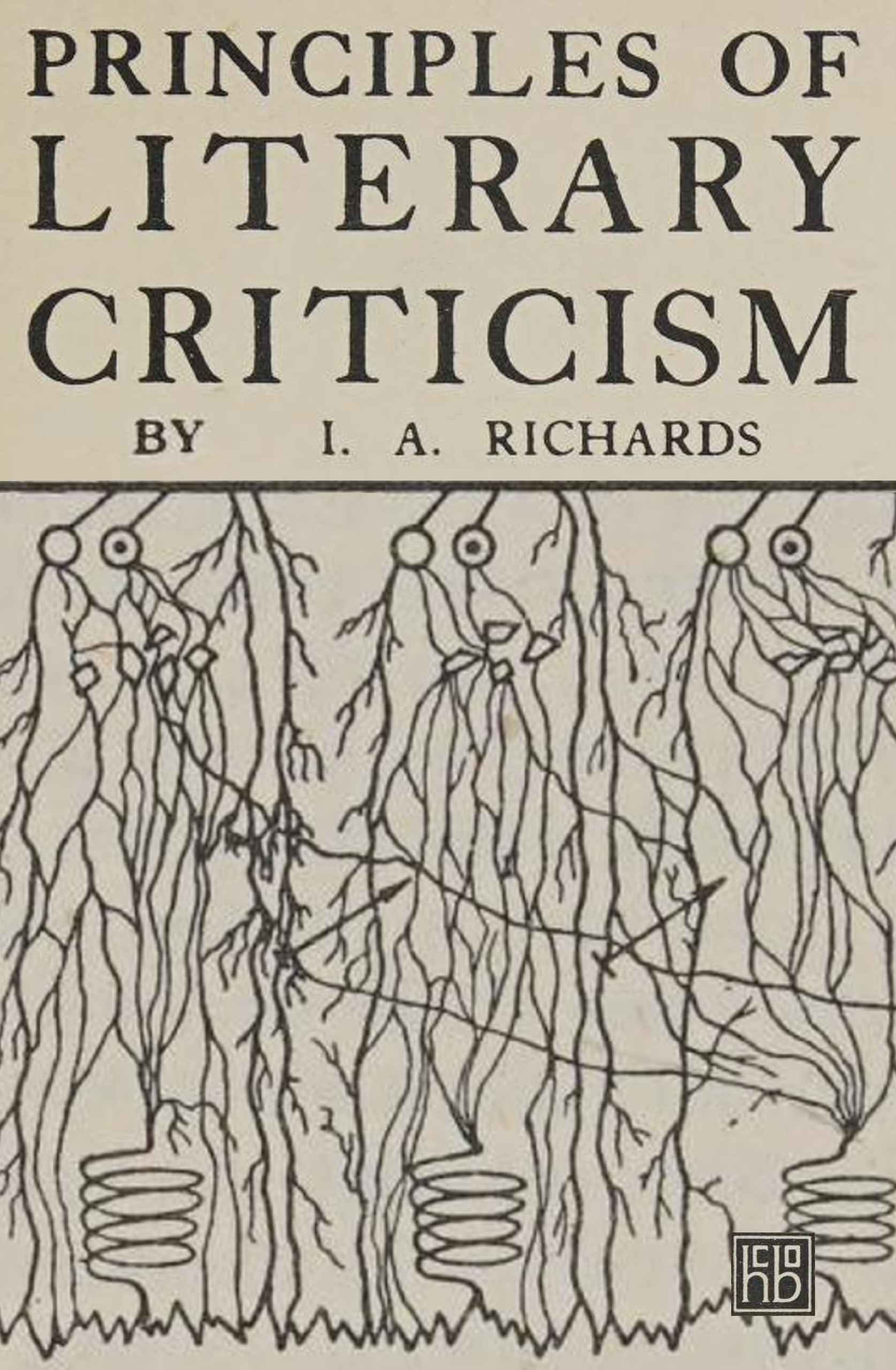
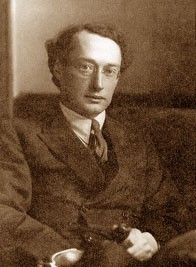
Before the New Criticism could begin, someone had to ask the right question. I.A. Richards did. In this revolutionary 1924 treatise, Richards confronts a startling reality: we can experience the beauty of art, we can debate its merits, yet we have no coherent framework for explaining why some works move us and others leave us cold. The existing critical establishment, he argues, offers nothing but chaos disjointed theories, subjective preferences masquerading as wisdom, and critics who mistake personal taste for universal judgment. Richards demands more. Drawing on psychology and theories of value, he constructs a systematic method for understanding how language creates emotional and intellectual effects in readers. The result is not merely a theory of criticism but a fundamental reconceptualization of what it means to read. Here is where modern literary criticism begins: with the radical insistence that we can analyze, not just appreciate, the mysterious transaction between text and mind. Richards would go on to influence T.S. Eliot, shape an entire generation of readers and writers, and launch a movement that redefined the study of literature. To read Principles now is to witness the birth of how we think about books.
Editions
X-Ray
“A book is a machine to think with, but it need not, therefore, usurp the functions either of the bellows or the locomotive.””
— I. A. Richards
“The chief lesson to be learnt from it is the futility of all argumentation that precedes understanding. We cannot profitably attack any opinion until we have discovered what it expresses as well as what it states.””
— I. A. Richards
“An experience has to be formed, no doubt, before it is communicated, but it takes the form it does largely because it may have to be communicated.””
— I. A. Richards
“Very simple experiences – a cold bath in an enamelled tin, or running for a train – may to some extent be compared without elaborate vehicles; and friends exceptionally well acquainted with one another may manage some rough comparisons in ordinary conversation. But subtle or recondite experiences are for most men incommunicable and indescribable, though social conventions or terror of the loneliness of the human situation may make us pretend the contrary.””
— I. A. Richards
“condiments””
— I. A. Richards
Link to this book
Add a free, dofollow link to Lex on your blog, forum, syllabus, or reading list.

<a href="https://lex-books.com/book/principles-of-literary-criticism-186d13fb-7980-4683-b653-a3e6a0c8317e"><img src="https://lex-books.com/badges/read-on-lex.svg" alt="Read Principles of Literary Criticism by I. A. Richards free on Lex" width="160" height="40"></a>[](https://lex-books.com/book/principles-of-literary-criticism-186d13fb-7980-4683-b653-a3e6a0c8317e)[url=https://lex-books.com/book/principles-of-literary-criticism-186d13fb-7980-4683-b653-a3e6a0c8317e][img]https://lex-books.com/badges/read-on-lex.svg[/img][/url]Read Principles of Literary Criticism by I. A. Richards free on Lex: https://lex-books.com/book/principles-of-literary-criticism-186d13fb-7980-4683-b653-a3e6a0c8317eCite this book
Reading this edition for a paper or guide? Copy a citation.
Richards, I. A.. Principles of Literary Criticism. Lex, lex-books.com/book/principles-of-literary-criticism-186d13fb-7980-4683-b653-a3e6a0c8317e.Richards, I. A. (1924). Principles of Literary Criticism. Lex. https://lex-books.com/book/principles-of-literary-criticism-186d13fb-7980-4683-b653-a3e6a0c8317eRichards, I. A.. Principles of Literary Criticism. Lex. https://lex-books.com/book/principles-of-literary-criticism-186d13fb-7980-4683-b653-a3e6a0c8317e.