Language: Its Nature, Development and Origin
1922
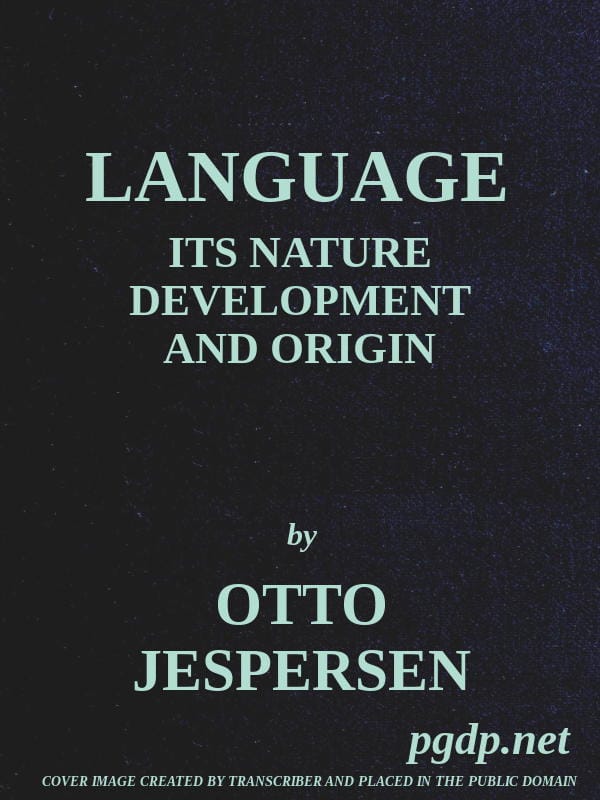
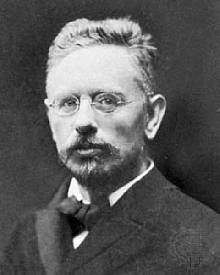
Otto Jespersen was one of the great linguists of the early twentieth century, and in this 1922 masterwork he tackles the deepest questions about what language is and how it came to be. This is not a dry academic treatise but a passionate argument: Jespersen rejects the prevailing notion that languages are living organisms that grow and die like plants, insisting instead that language is fundamentally a human function, shaped by individuals and societies in constant motion. The book traces language from its mysterious origins through its development across time, examining how children acquire their mother tongue, how contact with other languages transforms speech, and how historical forces reshape grammar and vocabulary. Jespersen draws on his enormous erudition to engage with the linguistic traditions that preceded him while staking out original positions that would influence generations of scholars. The book remains essential reading for anyone curious about how human communication evolved and how it continues to change.
Editions
Link to this book
Add a free, dofollow link to Lex on your blog, forum, syllabus, or reading list.

<a href="https://lex-books.com/book/language-its-nature-development-and-origin-0d2cf9f8-845d-43b4-b18b-28e5924eae97"><img src="https://lex-books.com/badges/read-on-lex.svg" alt="Read Language: Its Nature, Development and Origin by Otto Jespersen free on Lex" width="160" height="40"></a>[](https://lex-books.com/book/language-its-nature-development-and-origin-0d2cf9f8-845d-43b4-b18b-28e5924eae97)[url=https://lex-books.com/book/language-its-nature-development-and-origin-0d2cf9f8-845d-43b4-b18b-28e5924eae97][img]https://lex-books.com/badges/read-on-lex.svg[/img][/url]Read Language: Its Nature, Development and Origin by Otto Jespersen free on Lex: https://lex-books.com/book/language-its-nature-development-and-origin-0d2cf9f8-845d-43b4-b18b-28e5924eae97Cite this book
Reading this edition for a paper or guide? Copy a citation.
Jespersen, Otto. Language: Its Nature, Development and Origin. Lex, lex-books.com/book/language-its-nature-development-and-origin-0d2cf9f8-845d-43b4-b18b-28e5924eae97.Jespersen, O. (1922). Language: Its Nature, Development and Origin. Lex. https://lex-books.com/book/language-its-nature-development-and-origin-0d2cf9f8-845d-43b4-b18b-28e5924eae97Jespersen, Otto. Language: Its Nature, Development and Origin. Lex. https://lex-books.com/book/language-its-nature-development-and-origin-0d2cf9f8-845d-43b4-b18b-28e5924eae97.