Ancient Egyptian and Greek Looms
1903
Ancient Egyptian and Greek Looms
1903
In the dusty tombs of Egypt and the ruins of ancient Greece, one of humanity's most essential crafts was silently preserved in stone and pigment. H. Ling Roth's 1903 study reconstructs the lost world of ancient weaving, piecing together evidence from tomb paintings, carved reliefs, and surviving artifacts to understand how two great civilizations clothed themselves. The horizontal loom of Egypt, with its sophisticated heddle systems, produced fabrics that dazzled the ancient world, while Greece developed its own vertical approach shaped by different materials and cultural needs. Roth meticulously examines the tools of the weaver's trade, the beater-in instruments, the warp and weft, the tensioning mechanisms, as vital technologies that powered ancient economies and defined social status. This isn't merely a catalog of machines; it's an archaeology of everyday life, revealing how geography and culture bent technological innovation in entirely different directions. For anyone curious about the material foundations of ancient civilization, or anyone who has ever wondered how thread became cloth before factories existed, this century-old study remains a remarkable window into the hands that dressed the ancient world.
Editions
X-Ray
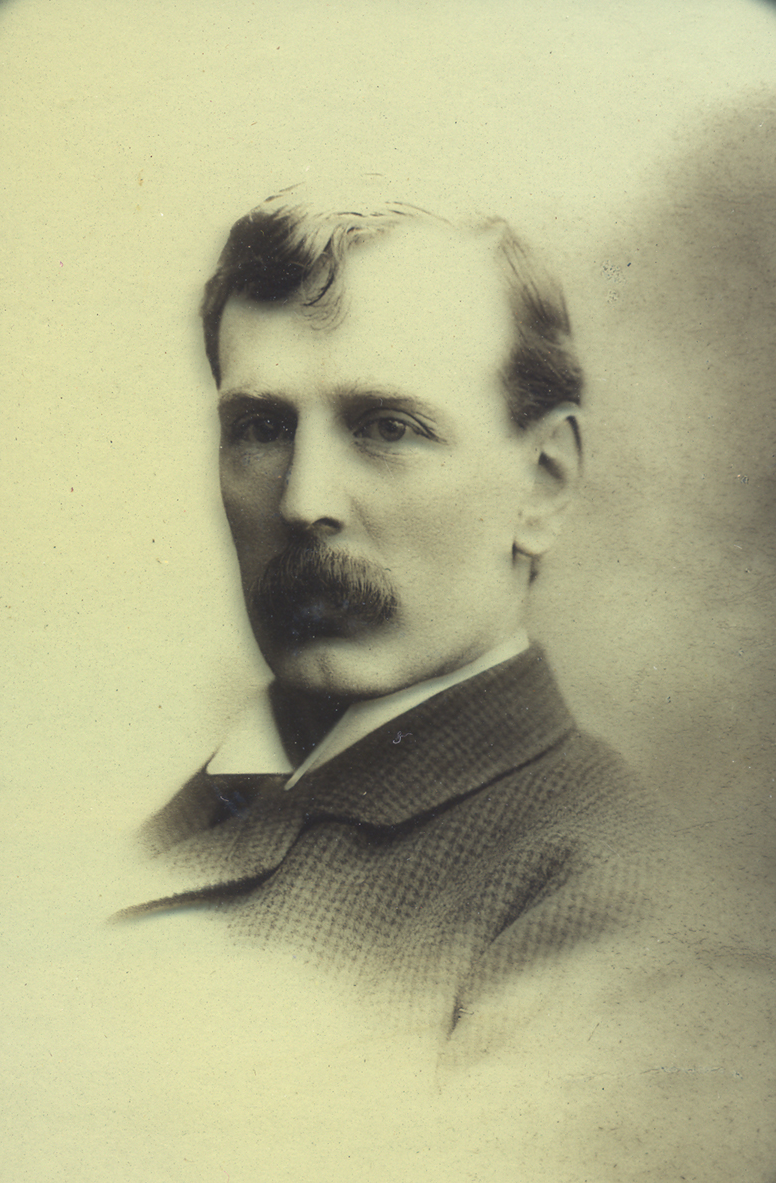
The author and Keeper of Bankfield Museum, who undertakes the detailed study and analysis of ancient Egyptian and Greek looms.
A well-known Egyptologist who generously provided copies of tomb drawings, crucial for the author's analysis of Egyptian looms.
An Egyptologist whose published illustrations of Egyptian looms are critically compared and analyzed by the author for accuracy and detail.
An author of a great work on Egyptian monuments, whose loom illustrations are compared with others, often found to be in close agreement with Cailliaud and Davies.
About Ancient Egyptian and Greek Looms
Chapter Summaries
- Preface
- H. Ling Roth introduces his paper, aiming to clarify the understanding of ancient Egyptian and Greek weaving, which has been obscured by conflicting illustrations. He acknowledges the crucial assistance of Egyptologist N. de G. Davies in providing accurate tomb drawings for his research.
- I
- This section meticulously analyzes various illustrations of horizontal looms, primarily from the Tomb of Chnem-hotep, comparing reproductions by multiple explorers and highlighting their discrepancies. Roth identifies key loom components like laze rods and beaters-in, and uses a wooden model discovered by Prof. Garstang to conclusively argue that these were horizontal, not vertical, looms.
- I
- Roth examines illustrations of upright looms from Theban tombs, describing their structure and the weaving process, and contrasts them with Greek looms. He discusses Herodotus's statement on Egyptian weaving direction and the potential use of warp weights, noting that many such weights found in Egypt are attributed to later Roman or Ægean periods.
Key Themes
- Evolution of Technology
- The book meticulously traces the progression of weaving technology from early horizontal looms to more complex vertical designs, highlighting key innovations like the heddle. It emphasizes how different tools and techniques developed over time, reflecting a continuous process of improvement in textile production.
- Archaeological Interpretation and Debate
- A significant portion of the text is dedicated to analyzing and critiquing various archaeological illustrations and finds, demonstrating the inherent challenges and disagreements in interpreting ancient evidence. The author frequently compares multiple sources, points out discrepancies, and offers his own reasoned conclusions, showcasing the dynamic nature of archaeological scholarship.
- Cultural Differences in Technology
- The book contrasts Egyptian and Greek loom types and weaving methods, emphasizing how distinct cultural contexts led to different technological solutions for textile production. It highlights the unique features of each civilization's looms and their respective advantages and disadvantages.
Characters
- H. Ling Roth(protagonist)
- The author and Keeper of Bankfield Museum, who undertakes the detailed study and analysis of ancient Egyptian and Greek looms.
- N. de G. Davies(supporting)
- A well-known Egyptologist who generously provided copies of tomb drawings, crucial for the author's analysis of Egyptian looms.
- Sir J. G. Wilkinson(supporting)
- An Egyptologist whose published illustrations of Egyptian looms are critically compared and analyzed by the author for accuracy and detail.
- Rosellini(supporting)
- An author of a great work on Egyptian monuments, whose loom illustrations are compared with others, often found to be in close agreement with Cailliaud and Davies.
- Lepsius(supporting)
- An explorer whose illustrations of Egyptian looms are analyzed for their details and discrepancies compared to other sources.
- Prof. Percy Newberry(supporting)
- An Egyptologist whose illustrations of horizontal looms are referenced, though one is noted as too crude for detailed analysis.
Link to this book
Add a free, dofollow link to Lex on your blog, forum, syllabus, or reading list.

<a href="https://lex-books.com/book/ancient-egyptian-and-greek-looms-14e7c30a-dded-4f2d-b486-48263c1398a1"><img src="https://lex-books.com/badges/read-on-lex.svg" alt="Read Ancient Egyptian and Greek Looms by H. Ling Roth free on Lex" width="160" height="40"></a>[](https://lex-books.com/book/ancient-egyptian-and-greek-looms-14e7c30a-dded-4f2d-b486-48263c1398a1)[url=https://lex-books.com/book/ancient-egyptian-and-greek-looms-14e7c30a-dded-4f2d-b486-48263c1398a1][img]https://lex-books.com/badges/read-on-lex.svg[/img][/url]Read Ancient Egyptian and Greek Looms by H. Ling Roth free on Lex: https://lex-books.com/book/ancient-egyptian-and-greek-looms-14e7c30a-dded-4f2d-b486-48263c1398a1Cite this book
Reading this edition for a paper or guide? Copy a citation.
Roth, H. Ling. Ancient Egyptian and Greek Looms. Lex, lex-books.com/book/ancient-egyptian-and-greek-looms-14e7c30a-dded-4f2d-b486-48263c1398a1.Roth, H. L. (1903). Ancient Egyptian and Greek Looms. Lex. https://lex-books.com/book/ancient-egyptian-and-greek-looms-14e7c30a-dded-4f2d-b486-48263c1398a1Roth, H. Ling. Ancient Egyptian and Greek Looms. Lex. https://lex-books.com/book/ancient-egyptian-and-greek-looms-14e7c30a-dded-4f2d-b486-48263c1398a1.