Problems of Philosophy

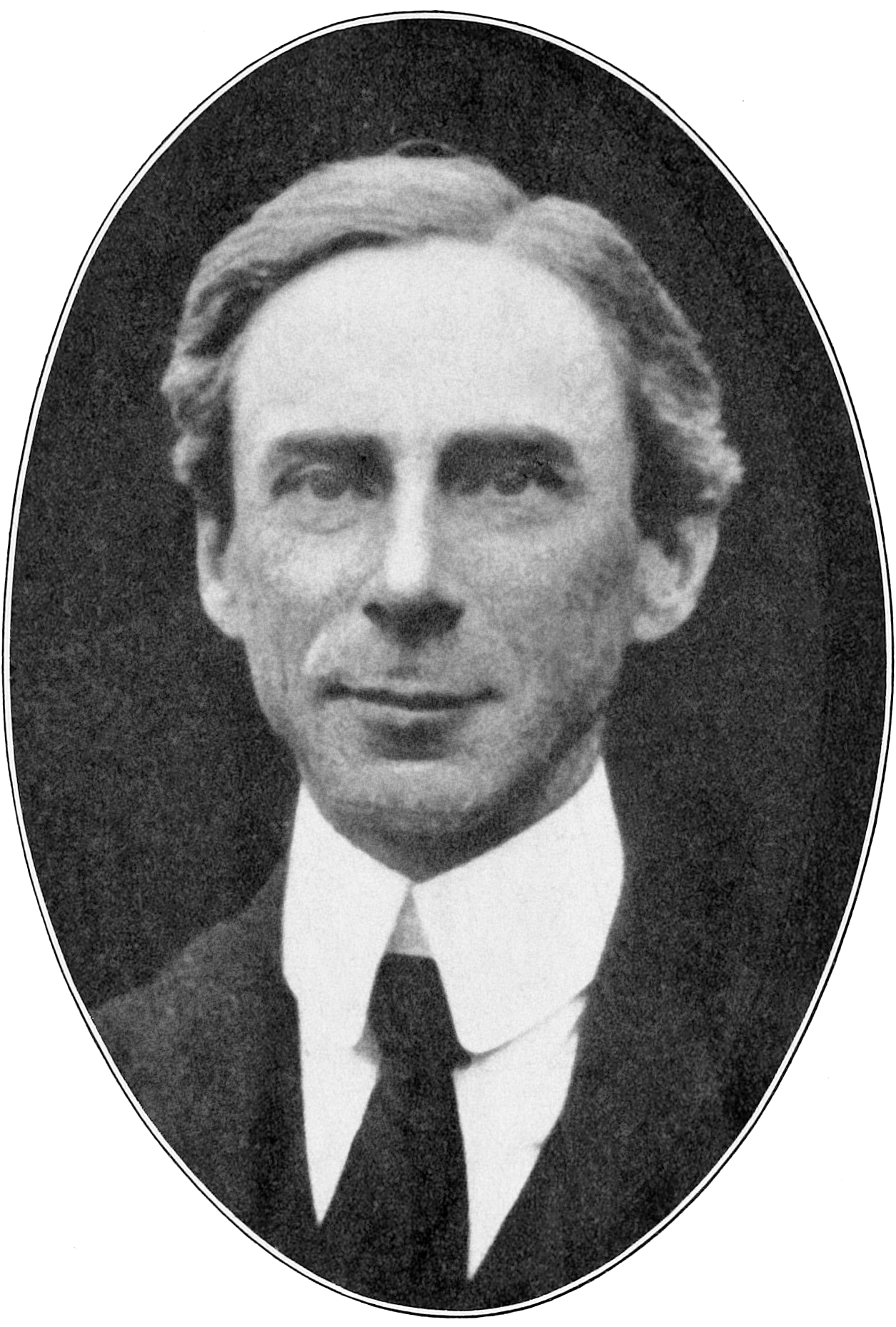
Bertrand Russell wrote Problems of Philosophy in 1912 to prove a radical idea: that ordinary people can do philosophy, and that it matters enormously. Rather than retreating into abstract metaphysics, Russell focuses on the most urgent question we face, what can we know, and how can we know it? He begins with the simplest puzzles: when we perceive a table, do we know the table itself or merely some effect it produces in us? From this humble example, Russell builds toward his famous distinction between knowledge by acquaintance (direct, immediate awareness) and knowledge by description (indirect, conceptual understanding). He guides readers through the great epistemological debates, Descartes' radical doubt, Hume's devastating skepticism, Kant's revolutionary synthesis, always illuminating how these historical battles bear on our most intimate convictions about reality, truth, and ourselves. A century later, Russell's masterpiece remains the finest introduction to philosophy ever written. It does not teach you what to think; it teaches you how to think, and why the effort matters.
Editions


Read by
Group Narration
10 readers
Leon Mire, Accent, Rich Meyers, Nathalie J. +6 more
Link to this book
Add a free, dofollow link to Lex on your blog, forum, syllabus, or reading list.

<a href="https://lex-books.com/book/problems-of-philosophy-4812c69c-a480-4647-ad4d-c89e3c84db92"><img src="https://lex-books.com/badges/read-on-lex.svg" alt="Read Problems of Philosophy by Bertrand Russell free on Lex" width="160" height="40"></a>[](https://lex-books.com/book/problems-of-philosophy-4812c69c-a480-4647-ad4d-c89e3c84db92)[url=https://lex-books.com/book/problems-of-philosophy-4812c69c-a480-4647-ad4d-c89e3c84db92][img]https://lex-books.com/badges/read-on-lex.svg[/img][/url]Read Problems of Philosophy by Bertrand Russell free on Lex: https://lex-books.com/book/problems-of-philosophy-4812c69c-a480-4647-ad4d-c89e3c84db92Cite this book
Reading this edition for a paper or guide? Copy a citation.
Russell, Bertrand. Problems of Philosophy. Lex, lex-books.com/book/problems-of-philosophy-4812c69c-a480-4647-ad4d-c89e3c84db92.Russell, B. (n.d.). Problems of Philosophy. Lex. https://lex-books.com/book/problems-of-philosophy-4812c69c-a480-4647-ad4d-c89e3c84db92Russell, Bertrand. Problems of Philosophy. Lex. https://lex-books.com/book/problems-of-philosophy-4812c69c-a480-4647-ad4d-c89e3c84db92.