Practice and Theory of Bolshevism
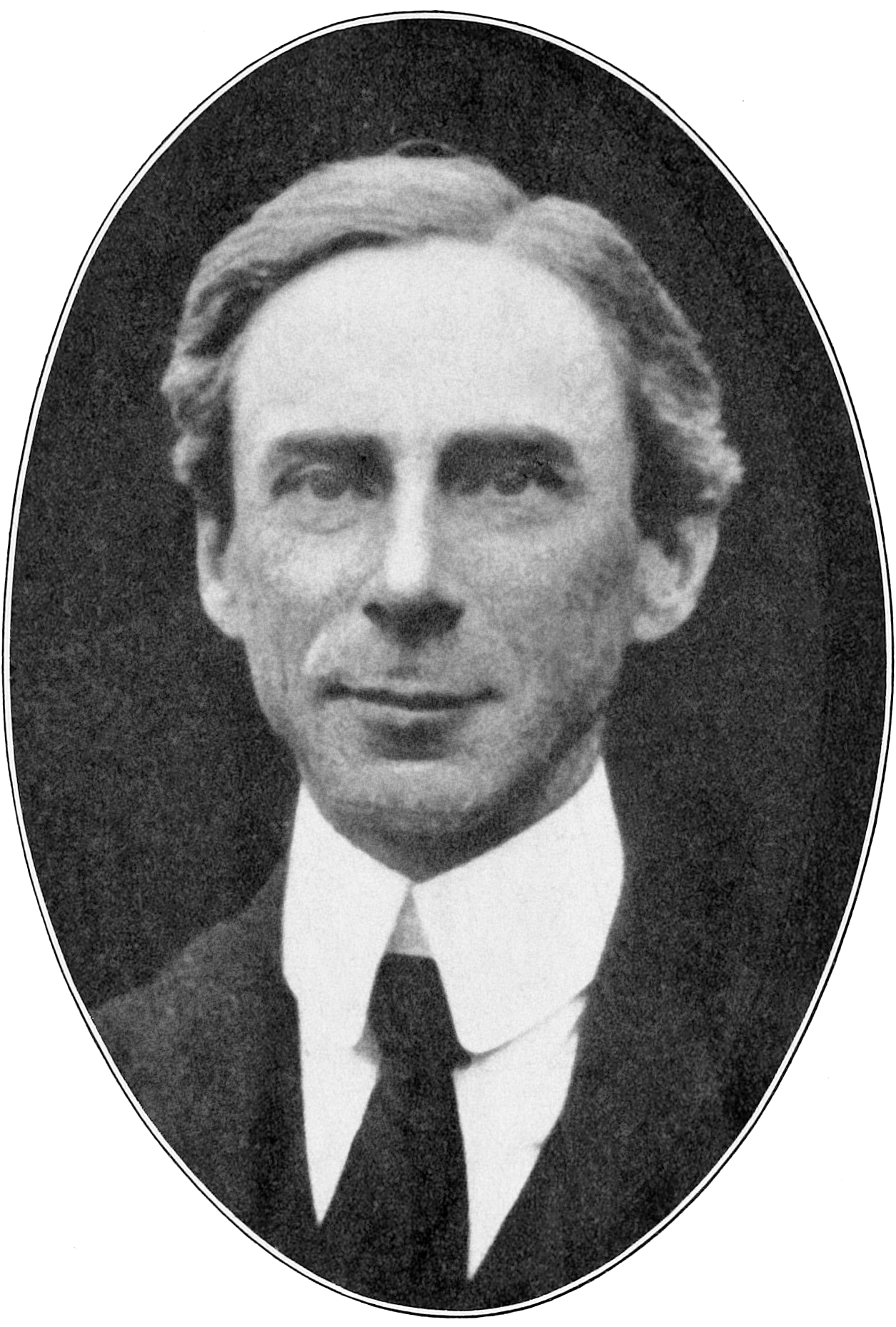
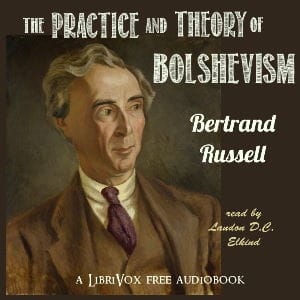
In 1920, Bertrand Russell traveled to revolutionary Russia as one of the West's most eminent philosophers, and returned with this unsettling document. He met with Lenin, Trotsky, and Gorky; observed the new regime's operations firsthand; and emerged deeply troubled by what he saw beneath the revolutionary rhetoric. Russell found much to admire in Bolshevik aims - the rejection of imperialist war, the commitment to equality - but he was appalled by the systematic cruelty, the suppression of dissent, and the regime's contempt for individual conscience. His analysis is neither cold-war polemic nor naïve sympathy; it is the work of a man applying rigorous logical thought to the greatest political experiment of the century. The book also includes a chapter by Dora Black on Soviet education, unfortunately removed from later editions after her divorce from Russell. The work remains essential reading for anyone who wants to understand how one of the twentieth century's greatest minds grappled with the tragedy and promise of Bolshevism.
X-Ray