Poland: A Study of the Land, People and Literature
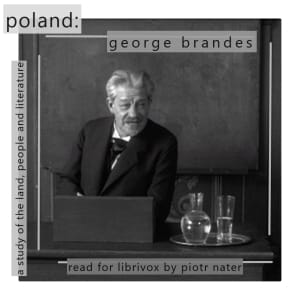
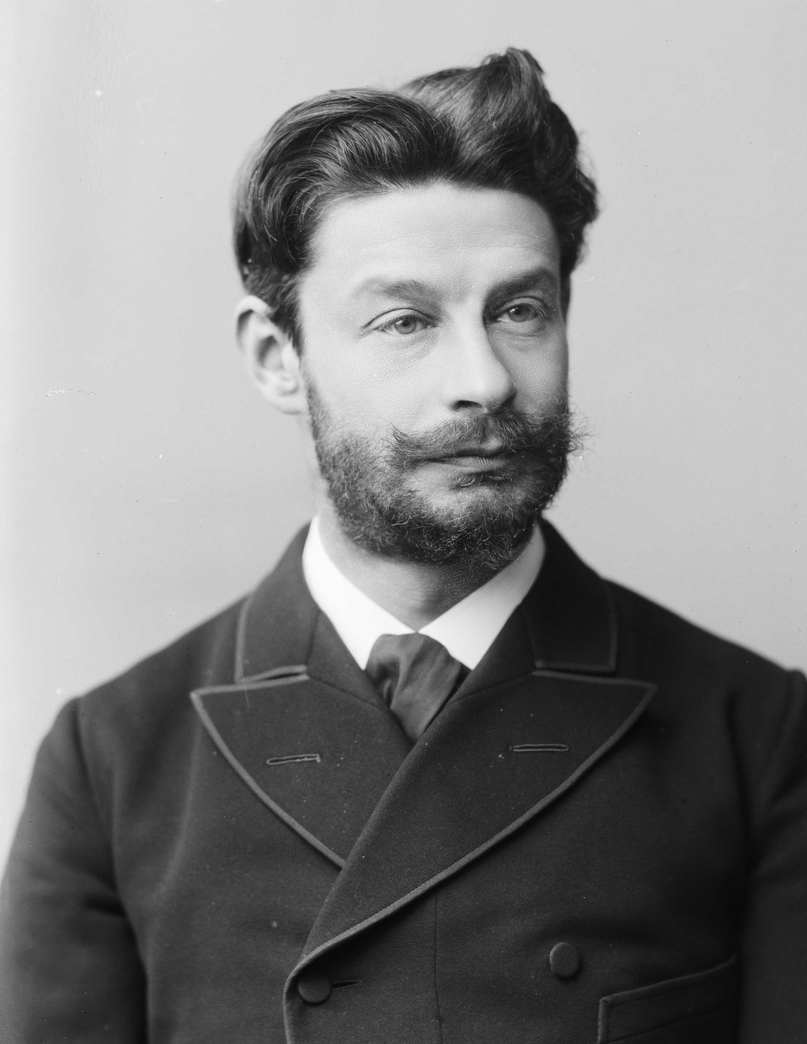
In the 1870s, the eminent Danish critic Georg Brandes crossed into a country that no longer existed on any map. Partitioned between Russia, Prussia, and Austria, Poland survived only in its language, its theatre, its restless streets, and its poetry. Brandes arrived in Warsaw as a foreigner and left as an intimate observer, documenting a nation in captivity with the keen eye of a man accustomed to tracing the pulse of European thought. Over a decade of journeys through all three sectors, he recorded the peculiar conditions of daily life, the linguistic struggles, the precarious position of theatre, and the legal apparatus that loomed over every Polish citizen. This is travel writing as historical testimony, a meticulous account of a people refusing to vanish. The second half turns to literature, and here Brandes finds Poland's truest resistance. He offers critical readings of the three great Romantic exiles whose verses kept the nation alive in imagination: Adam Mickiewicz, Juliusz Słowacki, and Zygmunt Krasiński. Brandes, who had helped ignite the modern breakthrough in Scandinavian letters, approaches these poets with the respect of a fellow revolutionary in the republic of letters. The result is both a portrait of a culture under occupation and a critical appreciation of the literature that sustained it.
Editions

Link to this book
Add a free, dofollow link to Lex on your blog, forum, syllabus, or reading list.

<a href="https://lex-books.com/book/poland-a-study-of-the-land-people-and-literature-140388bf-254a-4653-b329-a7f949fadd76"><img src="https://lex-books.com/badges/read-on-lex.svg" alt="Read Poland: A Study of the Land, People and Literature by Georg Brandes free on Lex" width="160" height="40"></a>[](https://lex-books.com/book/poland-a-study-of-the-land-people-and-literature-140388bf-254a-4653-b329-a7f949fadd76)[url=https://lex-books.com/book/poland-a-study-of-the-land-people-and-literature-140388bf-254a-4653-b329-a7f949fadd76][img]https://lex-books.com/badges/read-on-lex.svg[/img][/url]Read Poland: A Study of the Land, People and Literature by Georg Brandes free on Lex: https://lex-books.com/book/poland-a-study-of-the-land-people-and-literature-140388bf-254a-4653-b329-a7f949fadd76Cite this book
Reading this edition for a paper or guide? Copy a citation.
Brandes, Georg. Poland: A Study of the Land, People and Literature. Lex, lex-books.com/book/poland-a-study-of-the-land-people-and-literature-140388bf-254a-4653-b329-a7f949fadd76.Brandes, G. (n.d.). Poland: A Study of the Land, People and Literature. Lex. https://lex-books.com/book/poland-a-study-of-the-land-people-and-literature-140388bf-254a-4653-b329-a7f949fadd76Brandes, Georg. Poland: A Study of the Land, People and Literature. Lex. https://lex-books.com/book/poland-a-study-of-the-land-people-and-literature-140388bf-254a-4653-b329-a7f949fadd76.