Pan

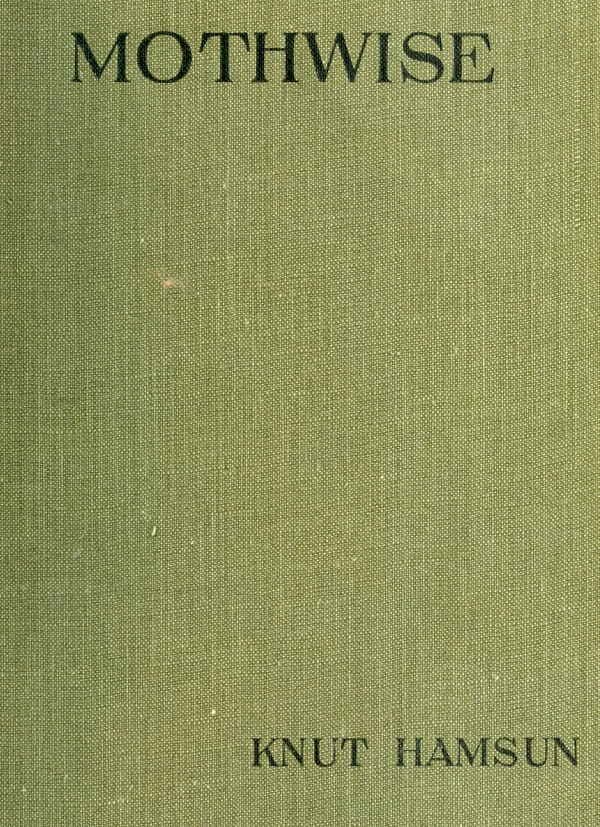
Before there was modernist psychology, there was Knut Hamsun's Pan. Lieutenant Glahn retreats to a remote forest in northern Norway for a summer of solitude, living simply with his dog Aesop, hunting and fishing in a landscape that feels almost mythological. But peace dissolves when he encounters Edvarda's daughter, and desire becomes obsession. The novel pulses with Glahn's fractured consciousness, his jealousy, his self-destruction, his mounting guilt. Then comes the epilogue, narrated by a hunting companion who complicates everything we've just read, revealing that Glahn may be as unreliable a witness to his own life as he is to ours. Hamsun invented a new kind of fiction here: interior, restless, willing to sit in the dark with its characters. The writers who followed him Kafka, Hemingway, Camus all learned from this book. Pan is for readers who want fiction that feels dangerous and alive, who trust that a story doesn't have to explain itself to haunt you.
Editions

Link to this book
Add a free, dofollow link to Lex on your blog, forum, syllabus, or reading list.

<a href="https://lex-books.com/book/pan-6a6bcddc-7955-47ed-9ddc-95d12f27a2d0"><img src="https://lex-books.com/badges/read-on-lex.svg" alt="Read Pan by Knut Hamsun free on Lex" width="160" height="40"></a>[](https://lex-books.com/book/pan-6a6bcddc-7955-47ed-9ddc-95d12f27a2d0)[url=https://lex-books.com/book/pan-6a6bcddc-7955-47ed-9ddc-95d12f27a2d0][img]https://lex-books.com/badges/read-on-lex.svg[/img][/url]Read Pan by Knut Hamsun free on Lex: https://lex-books.com/book/pan-6a6bcddc-7955-47ed-9ddc-95d12f27a2d0Cite this book
Reading this edition for a paper or guide? Copy a citation.
Hamsun, Knut. Pan. Lex, lex-books.com/book/pan-6a6bcddc-7955-47ed-9ddc-95d12f27a2d0.Hamsun, K. (n.d.). Pan. Lex. https://lex-books.com/book/pan-6a6bcddc-7955-47ed-9ddc-95d12f27a2d0Hamsun, Knut. Pan. Lex. https://lex-books.com/book/pan-6a6bcddc-7955-47ed-9ddc-95d12f27a2d0.