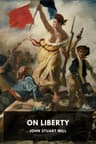
On Liberty
Published in 1859, this slender volume ignited a philosophical revolution that still burns. John Stuart Mill's radical proposition: the only justification for coercing a human being is preventing harm to others. Everything else the individual chooses for themselves whether to worship, speak, create, or live is sacred ground that neither state nor mob may touch. Mill anticipated the tyranny of the majority long before the term existed, warning that democratic societies could crush dissenting voices as brutally as any despot. He championed individuality not as selfishness but as the engine of human progress, arguing that conformity is the grave of genius. Written with Victorian precision yet burning with conviction, On Liberty shaped generations of freedom fighters, legal frameworks, and every person who believes the government has no right to dictate how they live. Its ideas have become so embedded in Western political DNA that we forget how radical they once sounded. This is the book for anyone who has ever pushed back against peer pressure, questioned authority, or wondered why society feels entitled to judge how others choose to live.
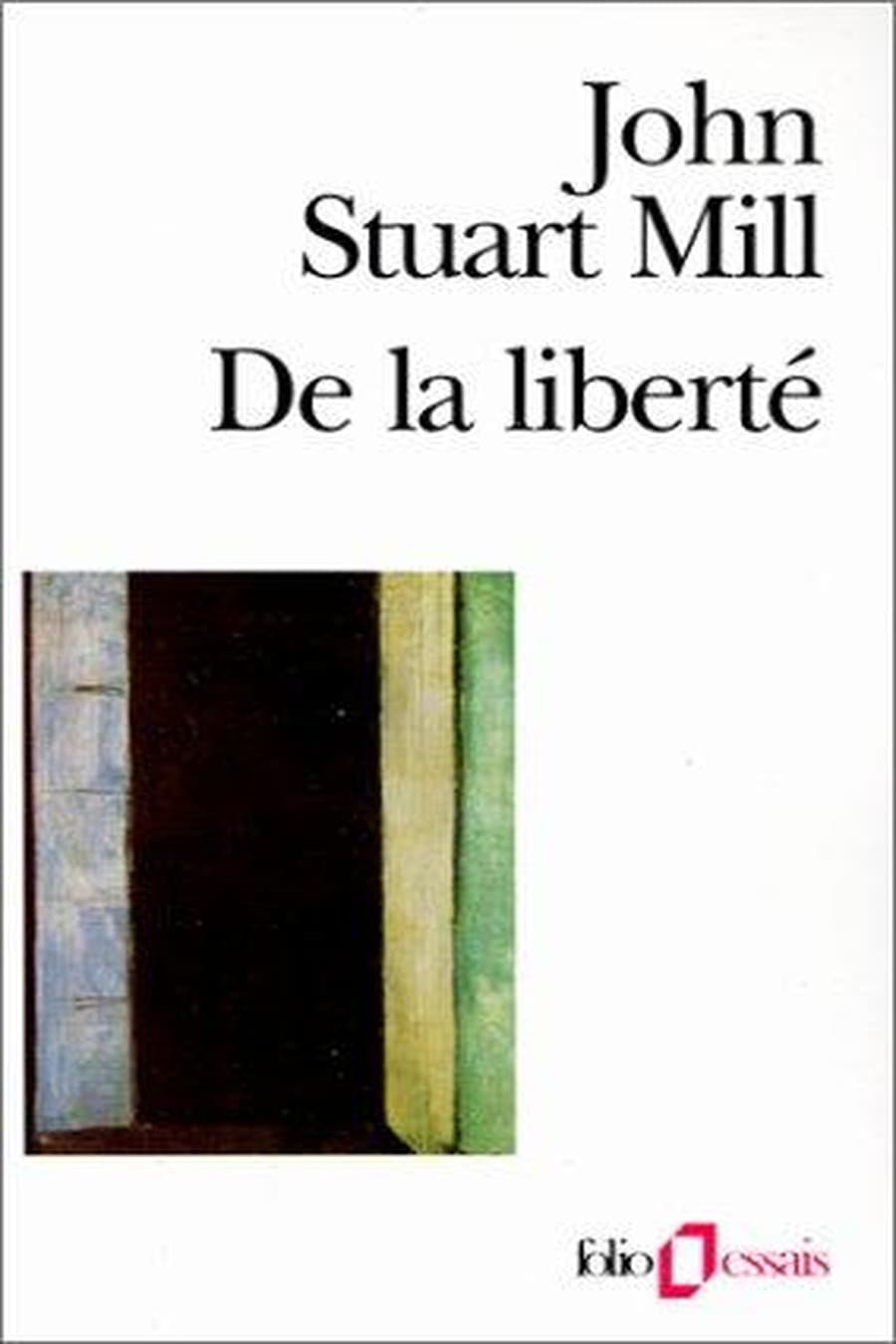
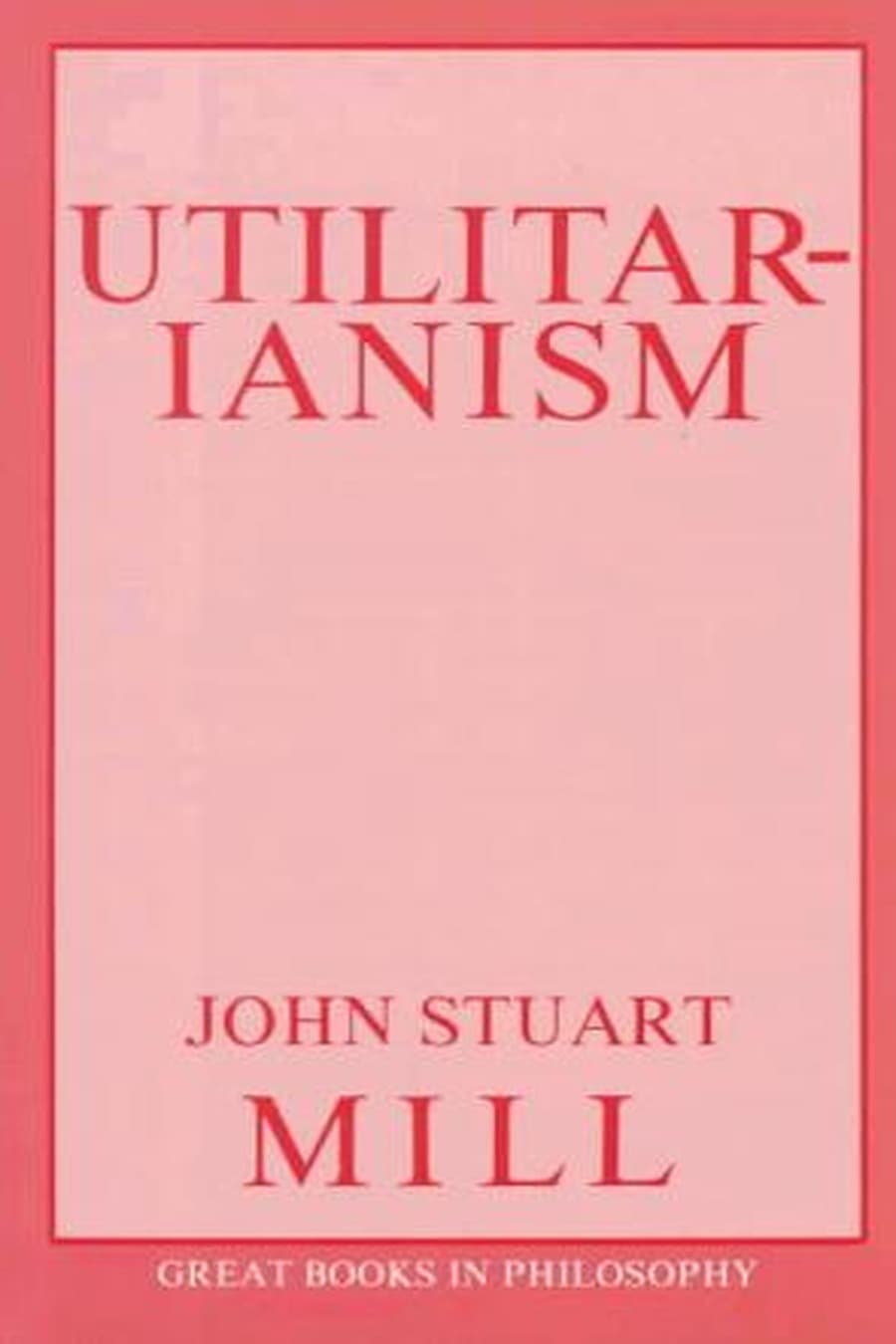
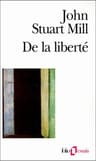
Editions

X-Ray
“A person may cause evil to others not only by his actions but by his inaction, and in either case he is justly accountable to them for the injury.””
— John Stuart Mill
“He who knows only his own side of the case knows little of that. His reasons may be good, and no one may have been able to refute them. But if he is equally unable to refute the reasons on the opposite side, if he does not so much as know what they are, he has no ground for preferring either opinion... Nor is it enough that he should hear the opinions of adversaries from his own teachers, presented as they state them, and accompanied by what they offer as refutations. He must be able to hear them from persons who actually believe them...he must know them in their most plausible and persuasive form.””
— John Stuart Mill
“If all mankind minus one, were of one opinion, and only one person were of the contrary opinion, mankind would be no more justified in silencing that one person, than he, if he had the power, would be justified in silencing mankind.””
— John Stuart Mill
“In this age, the mere example of non-conformity, the mere refusal to bend the knee to custom, is itself a service. Precisely because the tyranny of opinion is such as to make eccentricity a reproach, it is desirable, in order to break through that tyranny, that people should be eccentric. Eccentricity has always abounded when and where strength of character has abounded; and the amount of eccentricity in a society has generally been proportional to the amount of genius, mental vigor, and moral courage which it contained. That so few now dare to be eccentric, marks the chief danger of the time.””
— John Stuart Mill
“The only freedom which deserves the name is that of pursuing our own good in our own way, so long as we do not attempt to deprive others of theirs, or impede their efforts to obtain it. Each is the proper guardian of his own health, whether bodily, or mental or spiritual. Mankind are greater gainers by suffering each other to live as seems good to themselves, than by compelling each to live as seems good to the rest.””
— John Stuart Mill
“The peculiar evil of silencing the expression of an opinion is, that it is robbing the human race; posterity as well as the existing generation; those who dissent from the opinion, still more than those who hold it. If the opinion is right, they are deprived of the opportunity of exchanging error for truth: if wrong, they lose, what is almost as great a benefit, the clearer perception and livelier impression of truth, produced by its collision with error.””
— John Stuart Mill
“It still remains unrecognised, that to bring a child into existence without a fair prospect of being able, not only to provide food for its body, but instruction and training for its mind, is a moral crime, both against the unfortunate offspring and against society; and that if the parent does not fulfil this obligation, the State ought to see it fulfilled, at the charge, as far as possible, of the parent.””
— John Stuart Mill
“Christian morality (so called) has all the characters of a reaction; it is, in great part, a protest against Paganism. Its ideal is negative rather than positive; passive rather than action; innocence rather than Nobleness; Abstinence from Evil, rather than energetic Pursuit of Good: in its precepts (as has been well said) 'thou shalt not' predominates unduly over 'thou shalt.””
— John Stuart Mill
“It is not because men's desires are strong that they act ill; it is because their consciences are weak.””
— John Stuart Mill
Link to this book
Add a free, dofollow link to Lex on your blog, forum, syllabus, or reading list.

<a href="https://lex-books.com/book/on-liberty-2160ce1a-a6b4-4983-a9eb-10e06f7f03fe"><img src="https://lex-books.com/badges/read-on-lex.svg" alt="Read On Liberty by John Stuart Mill free on Lex" width="160" height="40"></a>[](https://lex-books.com/book/on-liberty-2160ce1a-a6b4-4983-a9eb-10e06f7f03fe)[url=https://lex-books.com/book/on-liberty-2160ce1a-a6b4-4983-a9eb-10e06f7f03fe][img]https://lex-books.com/badges/read-on-lex.svg[/img][/url]Read On Liberty by John Stuart Mill free on Lex: https://lex-books.com/book/on-liberty-2160ce1a-a6b4-4983-a9eb-10e06f7f03feCite this book
Reading this edition for a paper or guide? Copy a citation.
Mill, John Stuart. On Liberty. Lex, lex-books.com/book/on-liberty-2160ce1a-a6b4-4983-a9eb-10e06f7f03fe.Mill, J. S. (n.d.). On Liberty. Lex. https://lex-books.com/book/on-liberty-2160ce1a-a6b4-4983-a9eb-10e06f7f03feMill, John Stuart. On Liberty. Lex. https://lex-books.com/book/on-liberty-2160ce1a-a6b4-4983-a9eb-10e06f7f03fe.