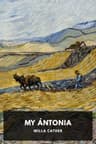
My Ántonia
1918
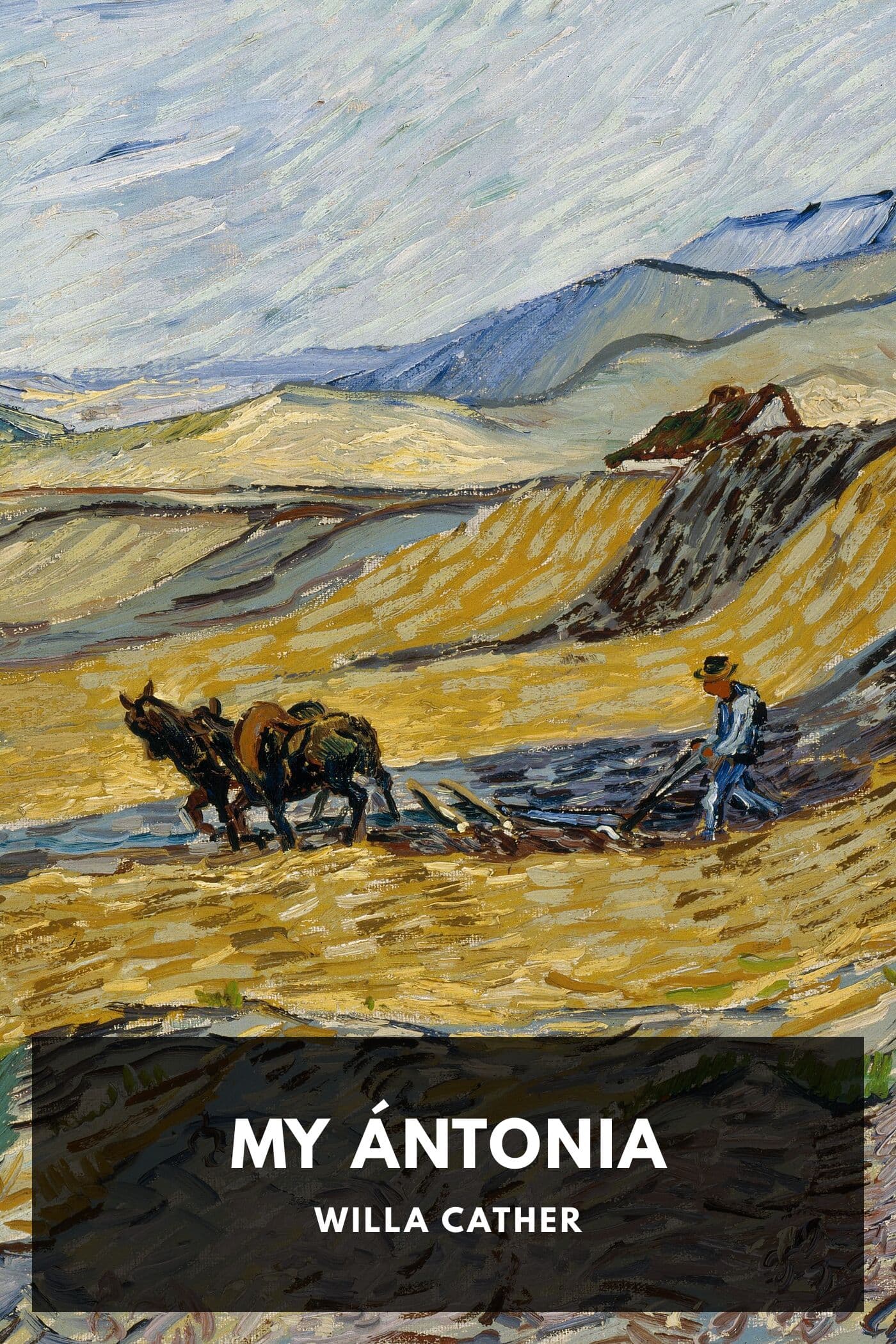
No novel captures the ache of remembering quite like My Ántonia. Willa Cather wrote in 1918 about what we carry from childhood into the rest of our lives, and her book still feels like a prayer to something vanished. Jim Burden arrives in Nebraska as an orphan from Virginia, sent to his grandparents' farm on the vast, wind-scoured prairie. There he meets Ántonia Shimerda, the eldest daughter of Bohemian immigrants - a girl wild with freedom, laughter, and an earthiness that both terrifies and captivates him. Together they run through the grass, discover the land's rhythms, and forge a bond that will define them both, even as their paths diverge. Years later, Jim returns to find Ántonia changed but unbowed, still luminous in her own way. Cather's prose has the quality of summer light at evening: golden, unhurried, shadowed by what cannot be held onto. This is a book about what we lose when we grow up, and how the people of our childhood become the ghosts we carry tenderly.
Editions
X-Ray
“Whatever we had missed, we possessed together the precious, the incommunicable past.””
— Willa Cather
“I was something that lay under the sun and felt it, like the pumpkins, and I did not want to be anything more. I was entirely happy. Perhaps we feel like that when we die and become a part of something entire, whether it is sun and air, or goodness and knowledge. At any rate, that is happiness; to be dissolved into something complete and great. When it comes to one, it comes as naturally as sleep.””
— Willa Cather
“That is happiness; to be dissolved into something complete and great. When it comes to one, it comes as naturally as sleep.””
— Willa Cather
“Some memories are realities and are better than anything that can ever happen to one again.””
— Willa Cather
“Now I understood that the same road was to bring us together again. Whatever we had missed, we possessed together the precious, the incommunicable past.””
— Willa Cather
“I was thinking, as I watched her, how little it mattered-- about her teeth, for instance. I know so many women who have kept all the things that she had lost, but whose inner glow has faded. Whatever else was gone, Antonia had not lost the fire of life.””
— Willa Cather
“I'd have liked to have you for a sweetheart, or a wife, or my mother or my sister--anything a woman can be to a man. The idea of you is part of my mind; you influence my likes and dislikes, all my tastes, hundreds of times when I don't realize it. You really are a part of me.””
— Willa Cather
“There was nothing but land; not a country at all, but the material out of which countries are made.””
— Willa Cather
“I was entirely happy. Perhaps we feel like that when we die and become a part of something entire, whether it is sun and air. or goodness and knowledge. At any rate, that is happiness; to be dissolved into something complete and great. When it comes to one, it comes as naturally as sleep.””
— Willa Cather
Link to this book
Add a free, dofollow link to Lex on your blog, forum, syllabus, or reading list.

<a href="https://lex-books.com/book/my-ntonia-72ef8c38-1624-4416-847a-a46ed7ca72b9"><img src="https://lex-books.com/badges/read-on-lex.svg" alt="Read My Ántonia by Willa Cather free on Lex" width="160" height="40"></a>[](https://lex-books.com/book/my-ntonia-72ef8c38-1624-4416-847a-a46ed7ca72b9)[url=https://lex-books.com/book/my-ntonia-72ef8c38-1624-4416-847a-a46ed7ca72b9][img]https://lex-books.com/badges/read-on-lex.svg[/img][/url]Read My Ántonia by Willa Cather free on Lex: https://lex-books.com/book/my-ntonia-72ef8c38-1624-4416-847a-a46ed7ca72b9Cite this book
Reading this edition for a paper or guide? Copy a citation.
Cather, Willa. My Ántonia. Lex, lex-books.com/book/my-ntonia-72ef8c38-1624-4416-847a-a46ed7ca72b9.Cather, W. (1918). My Ántonia. Lex. https://lex-books.com/book/my-ntonia-72ef8c38-1624-4416-847a-a46ed7ca72b9Cather, Willa. My Ántonia. Lex. https://lex-books.com/book/my-ntonia-72ef8c38-1624-4416-847a-a46ed7ca72b9.