Manners, Customs, and Dress During the Middle Ages and During the Renaissance Period
1481
Manners, Customs, and Dress During the Middle Ages and During the Renaissance Period
1481
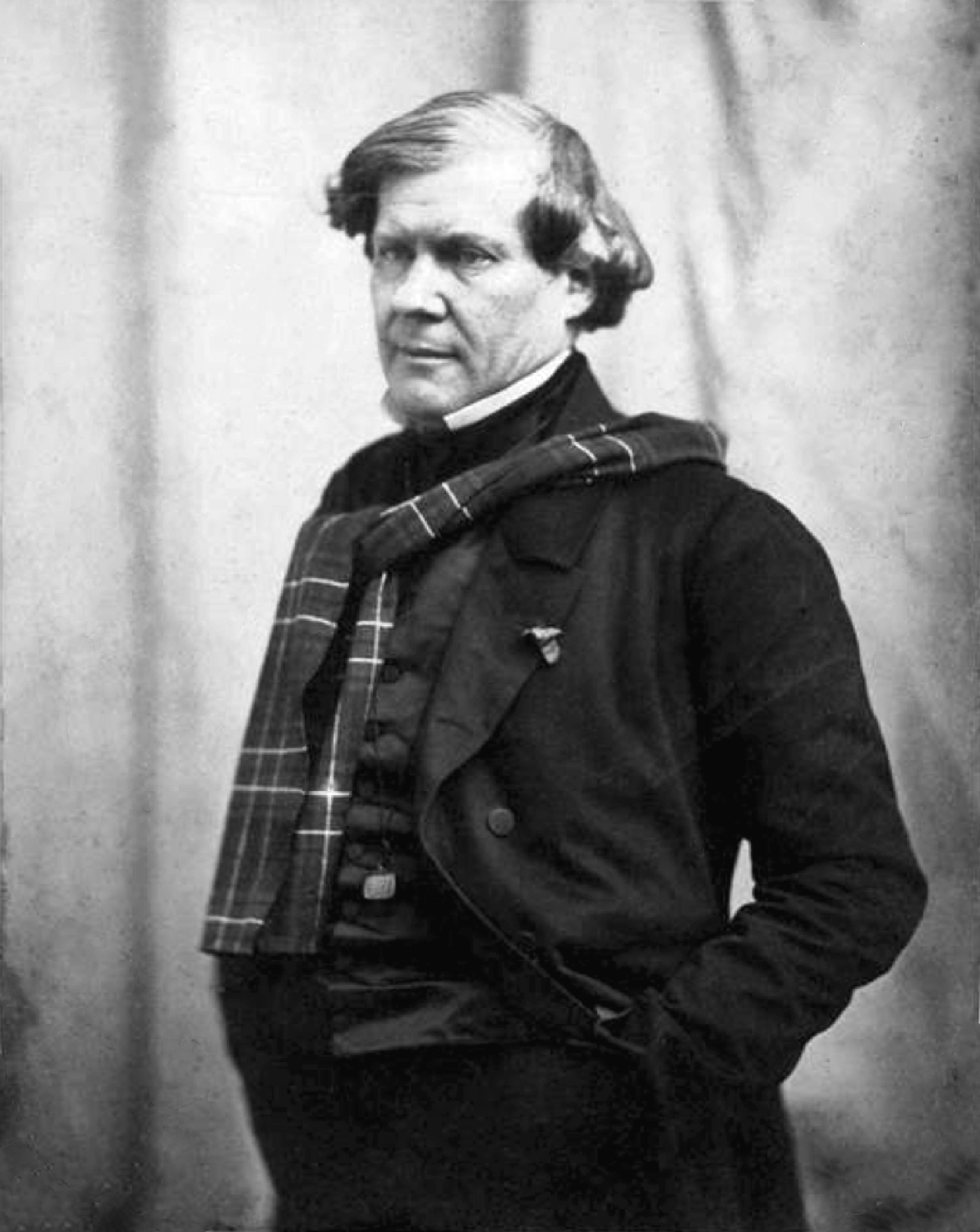
A portal to a world more vivid than any tapestry. Paul Lacroix, the Victorian scholar known as Bibliophile Jacob, reconstructs the everyday life of medieval and Renaissance Europe with an antiquarian's devotion and a storyteller's instinct. Here is the feudal hunt and the guild workshop, the peasant's rough wool and the queen's embroidered silk, the games that divided the classes and the customs that bound them. Lacroix traces how Roman rigor mixed with Germanic custom and Christian ritual to forge the medieval world, then watches that world transform as the Renaissance rekindled classical light. Four hundred illustrations render these centuries in meticulous detail: the cut of a doublet, the architecture of a tournament ground, the hierarchy of a merchant's table. For anyone who has ever wondered how medieval people actually lived, argued, loved, and governed themselves, this book answers with specificity that no novel can match. It is cultural history rendered as portraiture, essential for understanding the foundations of modern European life.
Editions
X-Ray
A powerful Frankish king and emperor who unified diverging forces, established public administrations, and fostered a new world order.
A pious King of France known for regulating taxes, establishing legal codes, and his participation in crusades.
A French king known for his extravagant spending, debasement of coinage, and increased taxation, which led to public unrest.
A French king who, despite his parsimonious lifestyle, was a keen sportsman and worked to increase royal power at the expense of feudalism.
About Manners, Customs, and Dress During the Middle Ages and During the Renaissance Period
Chapter Summaries
- Preface
- The author introduces the book as a deeper exploration of the Middle Ages and Renaissance, focusing on manners, customs, and dress, building on a previous work about the arts. He argues that art reflects society, but a full understanding requires examining daily life, covering topics from royalty and feudalism to commerce and fashion.
- 1
- This chapter details the social disorganization of the West after the fall of the Roman Empire, characterized by a mix of Roman, Germanic, and Gallic institutions. It outlines the hierarchical structure of society, from freemen to serfs, and the division of land into freeholds, benefices, fiefs, and tenures. The text traces the slow emancipation of the lower classes and the evolution of royal authority versus feudal power, culminating in the concept of 'mortmain'.
- 2
- This section examines the extensive and often oppressive rights and dues claimed by the feudal nobility, such as treasure-trove, wreck, marque, and sporting rights, illustrating them with historical anecdotes like Richard Coeur de Lion's death. It then describes the rise of municipal liberties, the formation of communes, and the struggles of townspeople against both feudal and royal authority to establish self-governance and fixed laws, particularly in Italy, Germany, and France.
Key Themes
- Social Hierarchy and Class Struggle
- The book meticulously details the rigid social stratification of the Middle Ages, from kings and nobles to serfs and slaves. It highlights the constant tension and struggle as lower classes, particularly the bourgeoisie and peasants, gradually fought for and gained more rights, privileges, and ultimately, freedom from feudal oppression.
- Evolution of Governance and Law
- The narrative traces the transformation of political systems from the chaotic post-Roman era, through the personal authority of Merovingian kings, the administrative reforms of Charlemagne, the decentralized power of feudalism, and the eventual re-establishment and centralization of royal authority. It also examines the development of legal codes, from barbaric laws to municipal statutes and national legislation.
- Influence of Christianity
- Christianity is presented as a powerful force that humanized barbaric customs, promoted ideas of equality among men, and shaped many aspects of daily life, including festivals, dietary restrictions (fast days), and charitable institutions. The Church's role in mediating conflicts and preserving knowledge during periods of decline is also emphasized.
Characters
- Charlemagne(historical figure)
- A powerful Frankish king and emperor who unified diverging forces, established public administrations, and fostered a new world order.
- Louis IX (Saint Louis)(historical figure)
- A pious King of France known for regulating taxes, establishing legal codes, and his participation in crusades.
- Philippe le Bel (Philip IV)(historical figure)
- A French king known for his extravagant spending, debasement of coinage, and increased taxation, which led to public unrest.
- Louis XI(historical figure)
- A French king who, despite his parsimonious lifestyle, was a keen sportsman and worked to increase royal power at the expense of feudalism.
- Francis I(historical figure)
- A French king who loved hunting, imported Italian culinary luxury, and faced significant financial challenges.
- Jacques Coeur(historical figure)
- A famous treasurer to Charles VII, known for his financial genius and ability to enrich both himself and the king.
Link to this book
Add a free, dofollow link to Lex on your blog, forum, syllabus, or reading list.

<a href="https://lex-books.com/book/manners-customs-and-dress-during-the-middle-ages-and-during-the-renaissance-peri-d31d0926-9ec6-4efd-9068-a5f9aecbb95e"><img src="https://lex-books.com/badges/read-on-lex.svg" alt="Read Manners, Customs, and Dress During the Middle Ages and During the Renaissance Period by P. L. Jacob free on Lex" width="160" height="40"></a>[](https://lex-books.com/book/manners-customs-and-dress-during-the-middle-ages-and-during-the-renaissance-peri-d31d0926-9ec6-4efd-9068-a5f9aecbb95e)[url=https://lex-books.com/book/manners-customs-and-dress-during-the-middle-ages-and-during-the-renaissance-peri-d31d0926-9ec6-4efd-9068-a5f9aecbb95e][img]https://lex-books.com/badges/read-on-lex.svg[/img][/url]Read Manners, Customs, and Dress During the Middle Ages and During the Renaissance Period by P. L. Jacob free on Lex: https://lex-books.com/book/manners-customs-and-dress-during-the-middle-ages-and-during-the-renaissance-peri-d31d0926-9ec6-4efd-9068-a5f9aecbb95eCite this book
Reading this edition for a paper or guide? Copy a citation.
Jacob, P. L.. Manners, Customs, and Dress During the Middle Ages and During the Renaissance Period. Lex, lex-books.com/book/manners-customs-and-dress-during-the-middle-ages-and-during-the-renaissance-peri-d31d0926-9ec6-4efd-9068-a5f9aecbb95e.Jacob, P. L. (1481). Manners, Customs, and Dress During the Middle Ages and During the Renaissance Period. Lex. https://lex-books.com/book/manners-customs-and-dress-during-the-middle-ages-and-during-the-renaissance-peri-d31d0926-9ec6-4efd-9068-a5f9aecbb95eJacob, P. L.. Manners, Customs, and Dress During the Middle Ages and During the Renaissance Period. Lex. https://lex-books.com/book/manners-customs-and-dress-during-the-middle-ages-and-during-the-renaissance-peri-d31d0926-9ec6-4efd-9068-a5f9aecbb95e.