The Arts in the Middle Ages and at the Period of the Renaissance
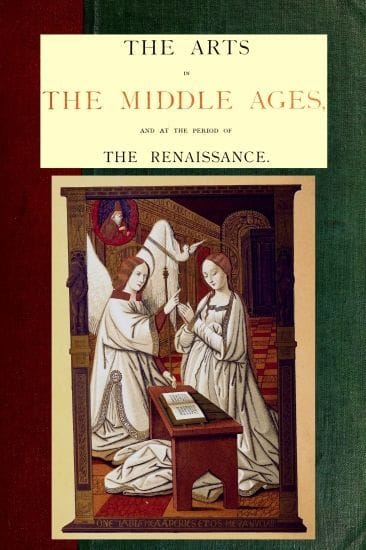
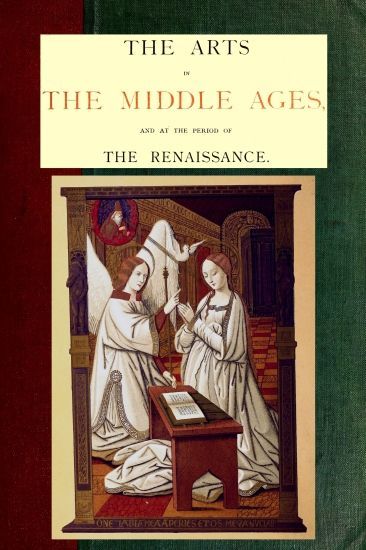
The medieval period gave us cathedrals that pierced the heavens, illuminated manuscripts glowing with gold leaf, and a Christian iconography that shaped how Europe saw itself for a millennium. Then came the Renaissance, with its rediscovered classical learning, its anatomical precision, its confident humanism. This 1870 scholarly work traces that arc with the meticulous attention to detail that Victorian historiography demanded. Jacob examines not just the great paintings and buildings, but the craft traditions, the guilds, the materials and methods that made such beauty possible. He traces how artistic status transformed from skilled craft to liberal art, how patronage networks functioned, how Italian city-states competed for cultural prestige. This is serious intellectual history for readers who want to understand the deep currents beneath the surfaces of famous paintings and buildings.
Editions
X-Ray
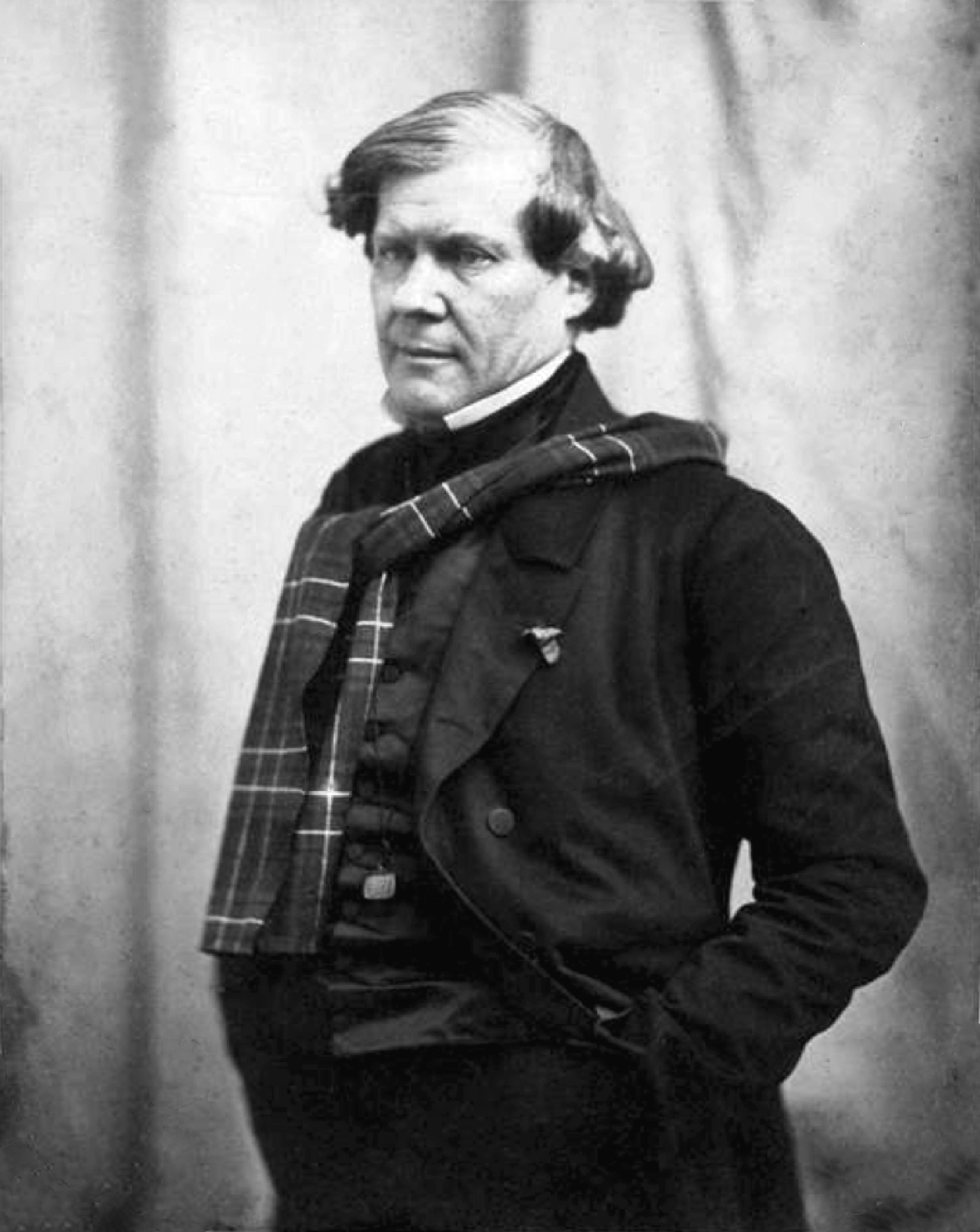
The author and curator of the Imperial Library of the Arsenal, Paris. A scholar and historian who compiled this comprehensive work on medieval and Renaissance arts.
The English editor who translated and prepared the work for publication. He aimed to preserve the original's unique phraseology while making it accessible to English readers.
A celebrated 7th-century goldsmith who became Bishop of Noyon. He created magnificent works for kings Clotaire and Dagobert and is considered the patron saint of goldsmiths.
Merovingian king for whom St. Eloi created a famous golden throne. His chair (Fauteuil de Dagobert) became an iconic piece of medieval furniture.
About The Arts in the Middle Ages and at the Period of the Renaissance
Chapter Summaries
- 1
- Traces furniture evolution from simple Gallic pieces to elaborate medieval and Renaissance works. Covers both domestic furniture (chairs, tables, beds) and ecclesiastical items (altars, shrines, censers).
- 2
- Chronicles tapestry from biblical origins through medieval monastery production to Renaissance magnificence. Highlights the Bayeux Tapestry and Arras workshops.
- 3
- Follows pottery from Gallo-Roman workshops through medieval decline to Renaissance revival. Features Bernard Palissy's revolutionary techniques and Italian majolica.
Key Themes
- Evolution of Artistic Traditions
- The book demonstrates how artistic techniques and styles evolved from ancient Roman and Byzantine influences through medieval Christian art to Renaissance revival of classical forms.
- Religious vs. Secular Art
- A central tension between art created for religious purposes (churches, reliquaries, sacred vessels) and secular luxury items for nobility and wealthy merchants.
- Craftsmanship and Guild System
- The importance of skilled artisans organized into guilds, with detailed examination of their techniques, apprenticeship systems, and social status.
Characters
- Paul Lacroix (Bibliophile Jacob)(protagonist)
- The author and curator of the Imperial Library of the Arsenal, Paris. A scholar and historian who compiled this comprehensive work on medieval and Renaissance arts.
- James Dafforne(major)
- The English editor who translated and prepared the work for publication. He aimed to preserve the original's unique phraseology while making it accessible to English readers.
- St. Eloi(major)
- A celebrated 7th-century goldsmith who became Bishop of Noyon. He created magnificent works for kings Clotaire and Dagobert and is considered the patron saint of goldsmiths.
- Dagobert(major)
- Merovingian king for whom St. Eloi created a famous golden throne. His chair (Fauteuil de Dagobert) became an iconic piece of medieval furniture.
- Charlemagne(major)
- Great Frankish emperor who possessed magnificent golden and silver tables and promoted the arts. His reign marked a significant period in medieval artistic development.
- Bernard Palissy(major)
- 16th-century French potter and inventor who revolutionized ceramic art. He spent 15 years perfecting his enameling techniques and created the famous 'rustic' pottery style.
Link to this book
Add a free, dofollow link to Lex on your blog, forum, syllabus, or reading list.

<a href="https://lex-books.com/book/the-arts-in-the-middle-ages-and-at-the-period-of-the-renaissance-ee62cbcf-855c-445f-bd06-13d3faca361b"><img src="https://lex-books.com/badges/read-on-lex.svg" alt="Read The Arts in the Middle Ages and at the Period of the Renaissance by P. L. Jacob free on Lex" width="160" height="40"></a>[](https://lex-books.com/book/the-arts-in-the-middle-ages-and-at-the-period-of-the-renaissance-ee62cbcf-855c-445f-bd06-13d3faca361b)[url=https://lex-books.com/book/the-arts-in-the-middle-ages-and-at-the-period-of-the-renaissance-ee62cbcf-855c-445f-bd06-13d3faca361b][img]https://lex-books.com/badges/read-on-lex.svg[/img][/url]Read The Arts in the Middle Ages and at the Period of the Renaissance by P. L. Jacob free on Lex: https://lex-books.com/book/the-arts-in-the-middle-ages-and-at-the-period-of-the-renaissance-ee62cbcf-855c-445f-bd06-13d3faca361bCite this book
Reading this edition for a paper or guide? Copy a citation.
Jacob, P. L.. The Arts in the Middle Ages and at the Period of the Renaissance. Lex, lex-books.com/book/the-arts-in-the-middle-ages-and-at-the-period-of-the-renaissance-ee62cbcf-855c-445f-bd06-13d3faca361b.Jacob, P. L. (n.d.). The Arts in the Middle Ages and at the Period of the Renaissance. Lex. https://lex-books.com/book/the-arts-in-the-middle-ages-and-at-the-period-of-the-renaissance-ee62cbcf-855c-445f-bd06-13d3faca361bJacob, P. L.. The Arts in the Middle Ages and at the Period of the Renaissance. Lex. https://lex-books.com/book/the-arts-in-the-middle-ages-and-at-the-period-of-the-renaissance-ee62cbcf-855c-445f-bd06-13d3faca361b.