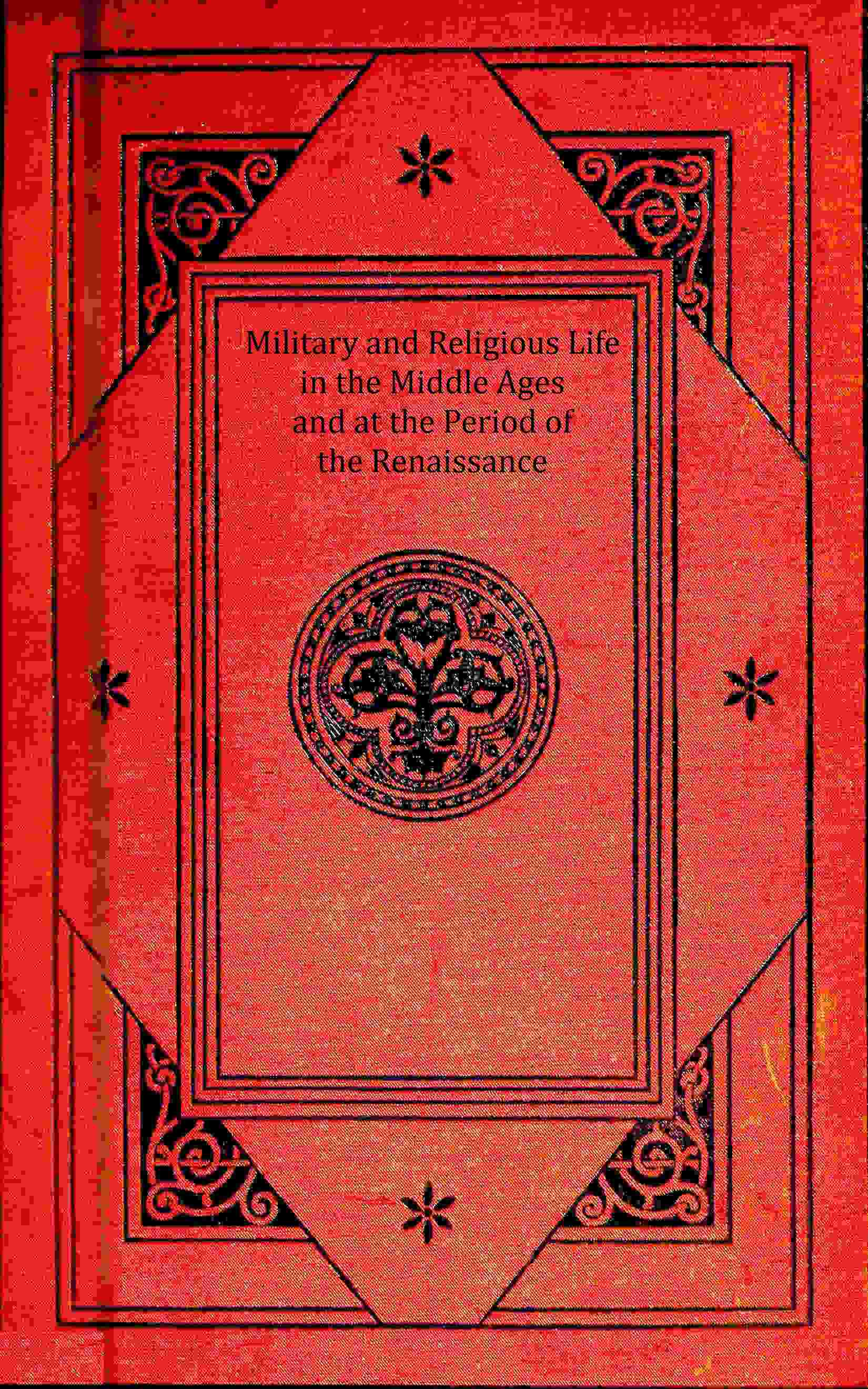
Military and Religious Life in the Middle Ages and at the Period of the Renaissance
1870
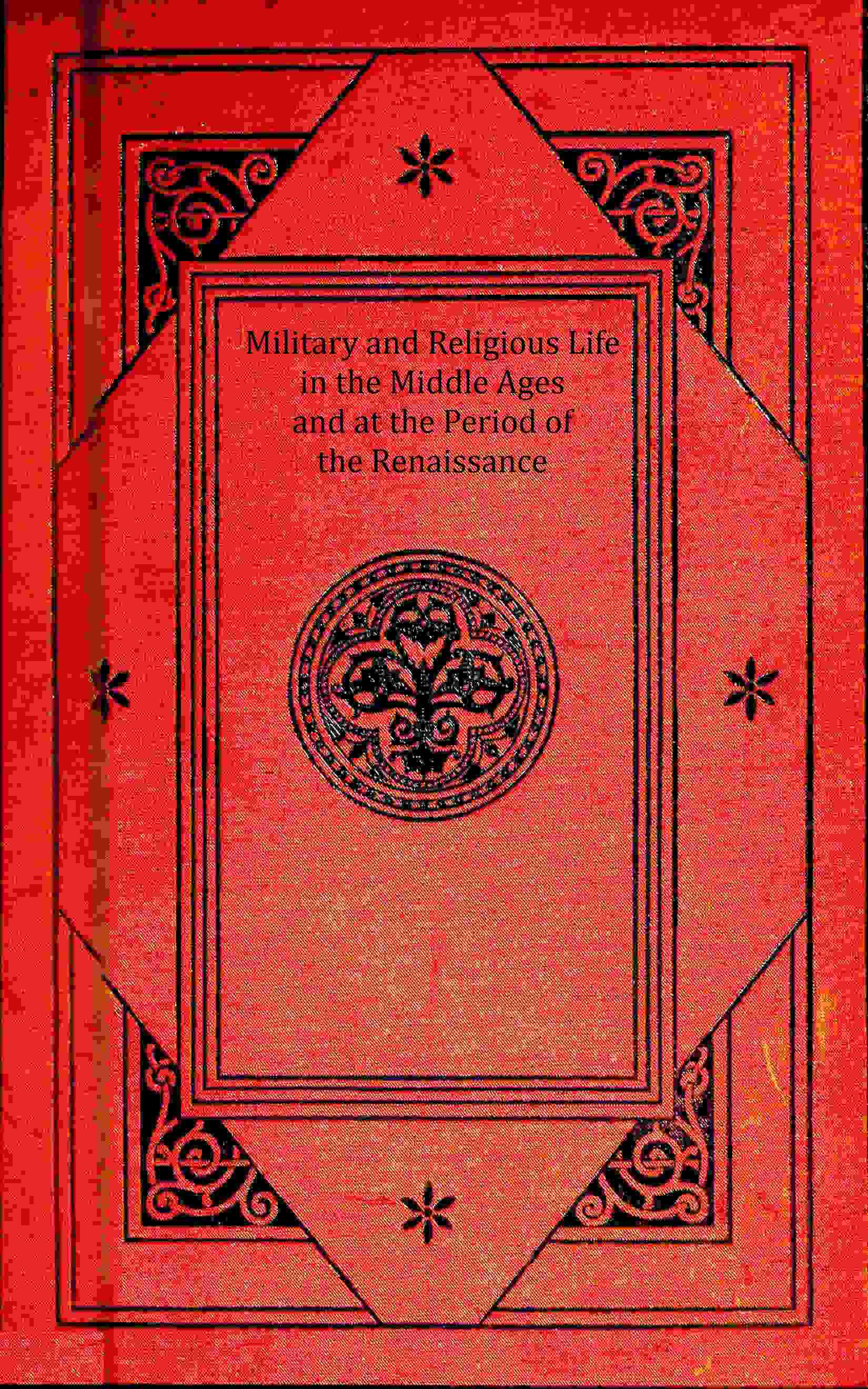
Military and Religious Life in the Middle Ages and at the Period of the Renaissance
1870
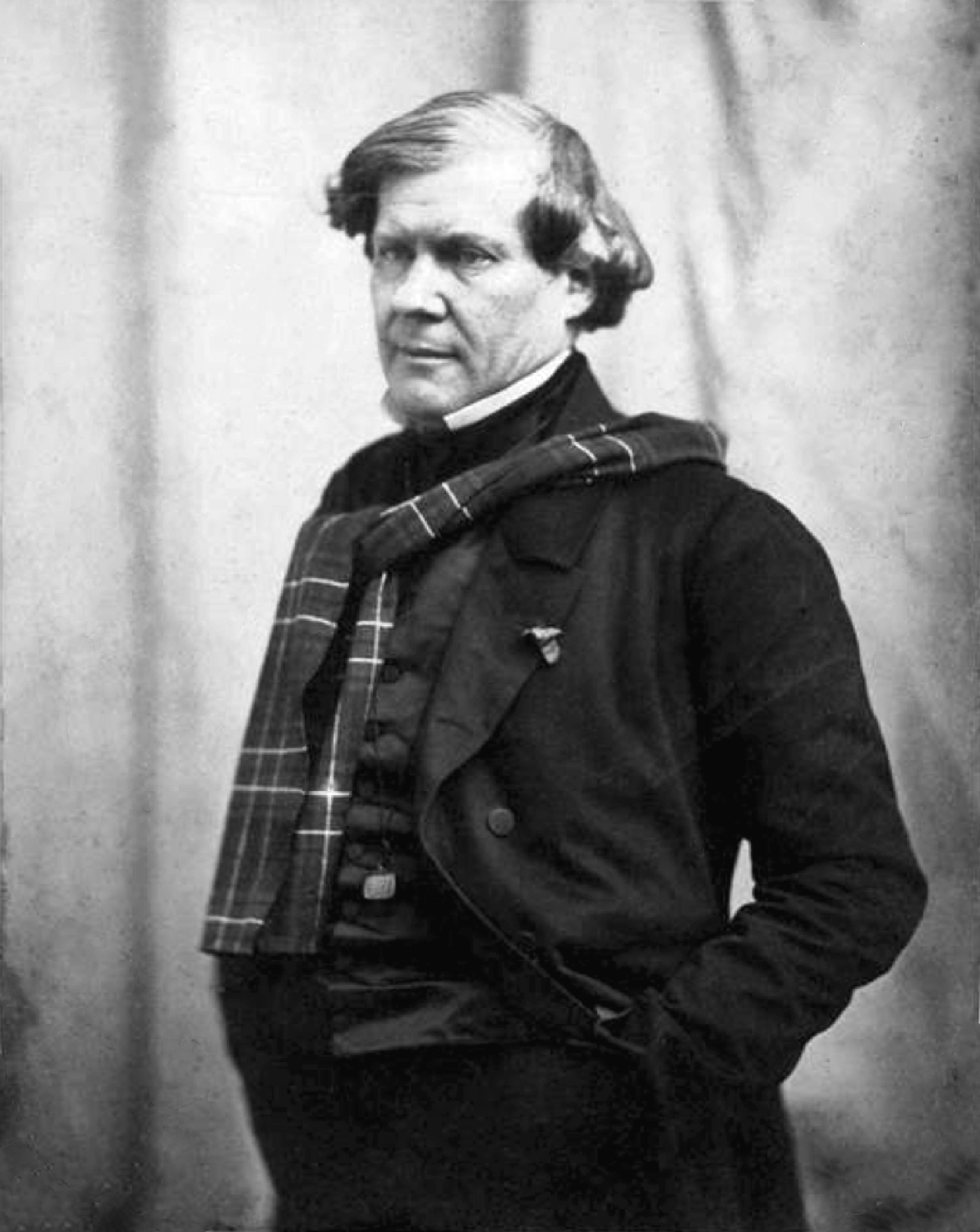
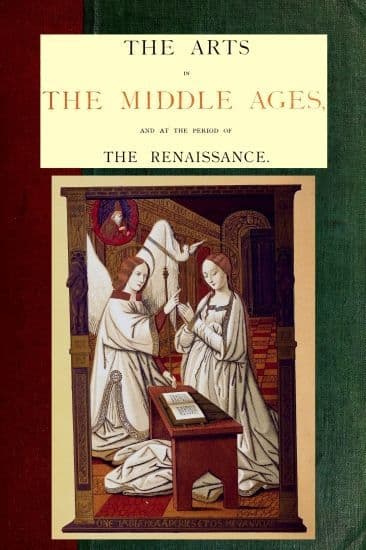
A 19th-century vision of the medieval world, assembled by Paul Lacroix, curator of the Imperial Library of the Paris Arsenal. Drawing on years of archival scholarship, Lacroix reconstructs the intertwined worlds of sword and sacrament that defined European civilization from the fall of Rome to the dawn of the Renaissance. He examines how the Church absorbed the military classes, how feudal obligations bound lord to vassal, and how Charlemagne's empire set the stage for centuries of conflict between secular and spiritual authority. The narrative traces the transformation of barbaric tribes into a unified Christian civilization, the gradual rise of the bourgeoisie, and the complex hierarchies that structured medieval life. What distinguishes this work is its extraordinary visual apparatus: over 400 illustrations depicting knights, crusaders, noble ladies, merchants, and ecclesiastics bring the period to vivid life. This is not a modern popular history but very much a product of its time, reflecting Victorian assumptions about the medieval past while offering genuine archival depth. For readers interested in how the 19th century imagined the Middle Ages, or anyone seeking a richly illustrated portrait of the age when the sword served the Cross.
Editions

X-Ray
The central religious institution, acting as a civilizing force and asserting spiritual and temporal authority throughout the Middle Ages.
A social and political system based on land tenure and loyalty, characterized by fragmented authority and frequent internal conflicts.
A code of conduct and military institution that shaped the nobility, emphasizing gallantry, honor, and service, often in defense of the Church and justice.
Emperor of the Franks, who unified a vast empire, protected the Church, and influenced the early development of feudalism and military organization.
About Military and Religious Life in the Middle Ages and at the Period of the Renaissance
Chapter Summaries
- 1
- This chapter traces the origins of feudalism from the barbarian conquests of Roman Gaul, highlighting its dual nature as a theocratic and martial aristocracy. It details the reciprocal obligations between vassals and suzerains, the development of feudal rights, and the Church's attempts to moderate its excesses through institutions like the Truce of God. The chapter also covers the rise of communes and the bourgeoisie, and the eventual decline of feudal power in favor of centralized monarchies.
- 2
- This section describes the evolution of warfare from barbarian invasions to the Renaissance, focusing on military organization, tactics, and weaponry. It covers Attila's campaigns, Theodoric's military fiefs, Charlemagne's genius, the rise of communal militias, and the transition to standing armies and mercenary troops. The chapter also details siege operations and engines, and the impact of gunpowder on military art.
- 3
- This chapter explores naval traditions, ship types, and maritime warfare from the Middle Ages to the Renaissance. It details the evolution of vessels like the dromon, galley, carack, and caravel, and the importance of fleets for both commerce and war. The section also covers naval laws, seaport tribunals, navigation advancements like the compass, armament, strategy, and the elaborate decorations of ships.
Key Themes
- The Interplay of Military and Religious Power
- This theme is central, exploring how military might and religious doctrine coexisted, influenced, and often clashed throughout the Middle Ages. The book details instances where military power served the Church (Crusades, Charlemagne) and where it challenged it (feudal anarchy, royal assertions of power), demonstrating their inseparable yet often contentious relationship in shaping society.
- The Civilizing Influence of Christianity
- The author consistently portrays Christianity as the primary force for social regeneration, unifying disparate barbaric nations, establishing political unity, and fostering new manners and institutions. It highlights the Church's role in education, architecture, and the development of moral grandeur, contrasting it with the barbarism of the heathen world and early feudalism.
- The Rise and Fall of Feudalism
- The book traces feudalism from its barbaric origins and military necessity (defense against invaders) to its complex system of vassalage and rights, and ultimately to its decline due to internal anarchy, the rise of communes, and the centralizing power of monarchies. It shows how a system initially vital for defense eventually became a source of widespread disorder and oppression.
Characters
- The Church/Papacy(protagonist)
- The central religious institution, acting as a civilizing force and asserting spiritual and temporal authority throughout the Middle Ages.
- Feudalism(antagonist)
- A social and political system based on land tenure and loyalty, characterized by fragmented authority and frequent internal conflicts.
- Chivalry(supporting)
- A code of conduct and military institution that shaped the nobility, emphasizing gallantry, honor, and service, often in defense of the Church and justice.
- Charlemagne(supporting)
- Emperor of the Franks, who unified a vast empire, protected the Church, and influenced the early development of feudalism and military organization.
- Pope Gregory VII (Hildebrand)(protagonist)
- An illustrious pontiff who vigorously asserted the supreme authority and independence of the Church against secular rulers, particularly Emperor Henry IV.
- Pope Urban II(protagonist)
- A French pontiff who, inspired by Peter the Hermit, initiated the First Crusade, calling Christian nations to arms against the infidels.
Link to this book
Add a free, dofollow link to Lex on your blog, forum, syllabus, or reading list.

<a href="https://lex-books.com/book/military-and-religious-life-in-the-middle-ages-and-at-the-period-of-the-renaissa-4aa7ee1e-e518-4dca-9530-0ce5200deea6"><img src="https://lex-books.com/badges/read-on-lex.svg" alt="Read Military and Religious Life in the Middle Ages and at the Period of the Renaissance by P. L. Jacob free on Lex" width="160" height="40"></a>[](https://lex-books.com/book/military-and-religious-life-in-the-middle-ages-and-at-the-period-of-the-renaissa-4aa7ee1e-e518-4dca-9530-0ce5200deea6)[url=https://lex-books.com/book/military-and-religious-life-in-the-middle-ages-and-at-the-period-of-the-renaissa-4aa7ee1e-e518-4dca-9530-0ce5200deea6][img]https://lex-books.com/badges/read-on-lex.svg[/img][/url]Read Military and Religious Life in the Middle Ages and at the Period of the Renaissance by P. L. Jacob free on Lex: https://lex-books.com/book/military-and-religious-life-in-the-middle-ages-and-at-the-period-of-the-renaissa-4aa7ee1e-e518-4dca-9530-0ce5200deea6Cite this book
Reading this edition for a paper or guide? Copy a citation.
Jacob, P. L.. Military and Religious Life in the Middle Ages and at the Period of the Renaissance. Lex, lex-books.com/book/military-and-religious-life-in-the-middle-ages-and-at-the-period-of-the-renaissa-4aa7ee1e-e518-4dca-9530-0ce5200deea6.Jacob, P. L. (1870). Military and Religious Life in the Middle Ages and at the Period of the Renaissance. Lex. https://lex-books.com/book/military-and-religious-life-in-the-middle-ages-and-at-the-period-of-the-renaissa-4aa7ee1e-e518-4dca-9530-0ce5200deea6Jacob, P. L.. Military and Religious Life in the Middle Ages and at the Period of the Renaissance. Lex. https://lex-books.com/book/military-and-religious-life-in-the-middle-ages-and-at-the-period-of-the-renaissa-4aa7ee1e-e518-4dca-9530-0ce5200deea6.