Le Calvaire
1886
Le Calvaire, published in 1886 by Octave Mirbeau, is an autobiographical novel that explores the traumatic coming-of-age of Jean-François-Marie Mintié. Set against the backdrop of late 19th-century French society, it depicts the protagonist's struggles with familial relationships, societal expectations, and the horrors of his childhood. The narrative reveals a descent into despair, highlighting themes of neglect, longing for love, and the moral decay of the era. This work marked a significant beginning for Mirbeau, who later critiqued societal norms in his subsequent writings.
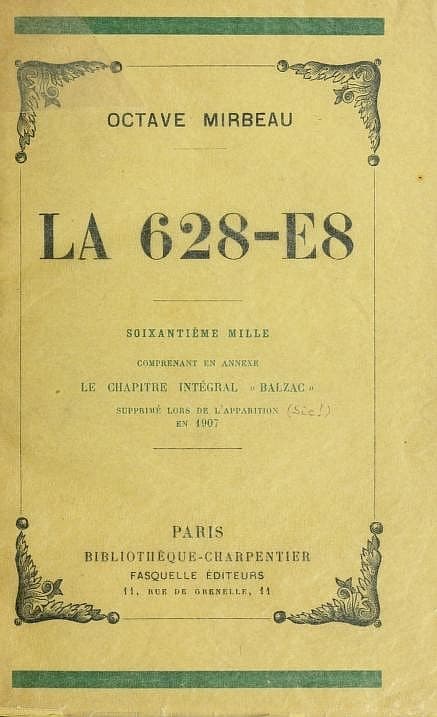
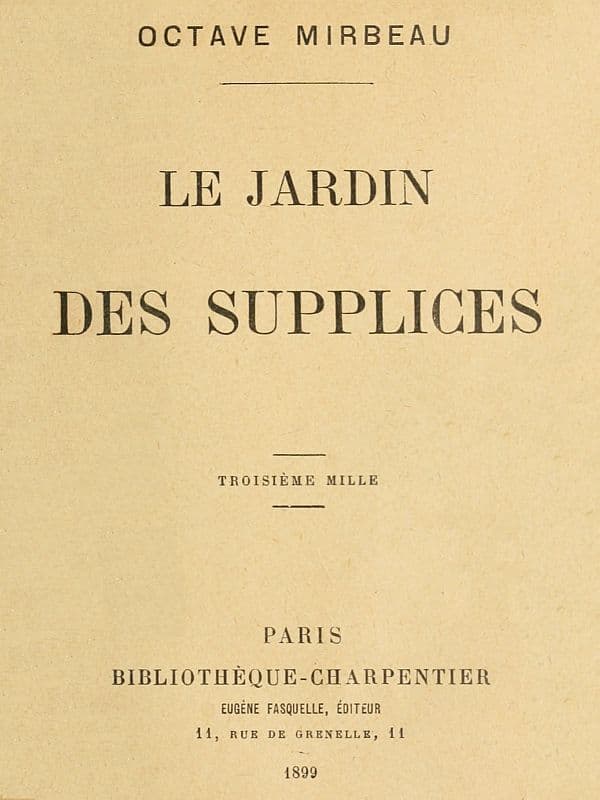
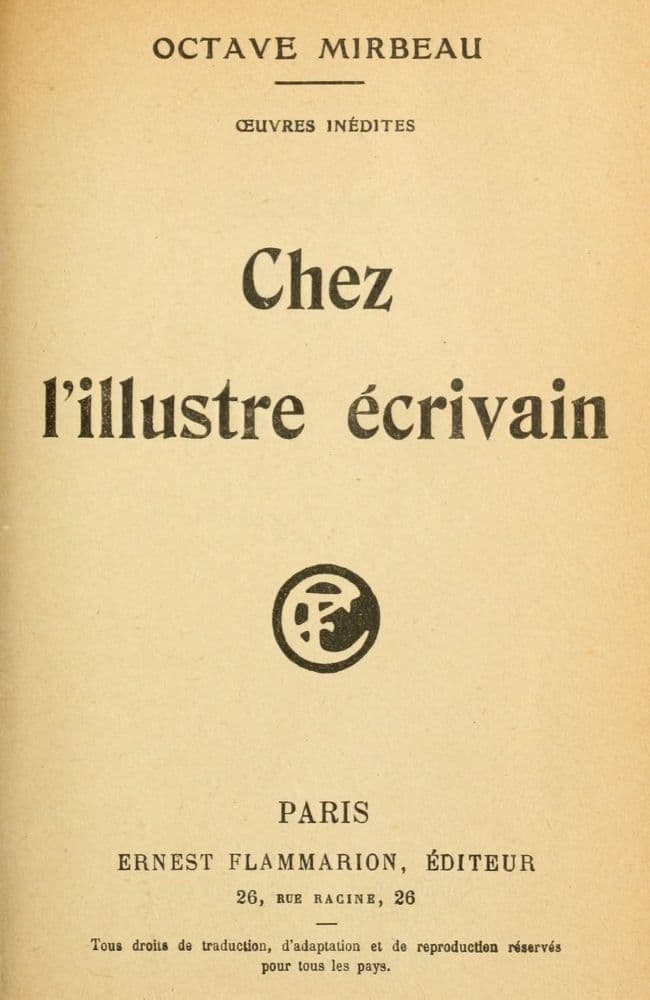
Editions
X-Ray
“Everything she heard, everything she saw seemed to be in disagreement with her own manner of understanding and feeling. To her, the sun did not appear red enough, the nights pale enough, the skies deep enough. Her fleeting conception of things and beings condemned her fatally to a perversion of her senses, to vagaries of the spirit and left her nothing but the torment of an unachieved longing, the torture of unfulfilled desires.””
— Octave Mirbeau
“I did not know what she suffered from, but I knew that her malady must have been horrible; I knew that from the way she used to embrace me.””
— Octave Mirbeau
“But one gets tired of everything, even of abusing a person. Paris abandons its puppets which it raises to the throne as quickly as it does its martyrs whom it hoists on the gibbet; in its perpetual hunger for new playthings, it never gets itself excited overly much before the statues of its heroes or at the sight of the blood of its victims.””
— Octave Mirbeau
“N’aurions-nous pu nous aimer, aussi bien, elle chez elle, moi chez moi ; éviter les froissements possibles de cette situation qu’on appelle d’un mot ignoble : le collage ?…””
— Octave Mirbeau
Link to this book
Add a free, dofollow link to Lex on your blog, forum, syllabus, or reading list.

<a href="https://lex-books.com/book/le-calvaire-bed67214-a8c7-46a8-817c-299ec60becb3"><img src="https://lex-books.com/badges/read-on-lex.svg" alt="Read Le Calvaire by Octave Mirbeau free on Lex" width="160" height="40"></a>[](https://lex-books.com/book/le-calvaire-bed67214-a8c7-46a8-817c-299ec60becb3)[url=https://lex-books.com/book/le-calvaire-bed67214-a8c7-46a8-817c-299ec60becb3][img]https://lex-books.com/badges/read-on-lex.svg[/img][/url]Read Le Calvaire by Octave Mirbeau free on Lex: https://lex-books.com/book/le-calvaire-bed67214-a8c7-46a8-817c-299ec60becb3Cite this book
Reading this edition for a paper or guide? Copy a citation.
Mirbeau, Octave. Le Calvaire. Lex, lex-books.com/book/le-calvaire-bed67214-a8c7-46a8-817c-299ec60becb3.Mirbeau, O. (1886). Le Calvaire. Lex. https://lex-books.com/book/le-calvaire-bed67214-a8c7-46a8-817c-299ec60becb3Mirbeau, Octave. Le Calvaire. Lex. https://lex-books.com/book/le-calvaire-bed67214-a8c7-46a8-817c-299ec60becb3.