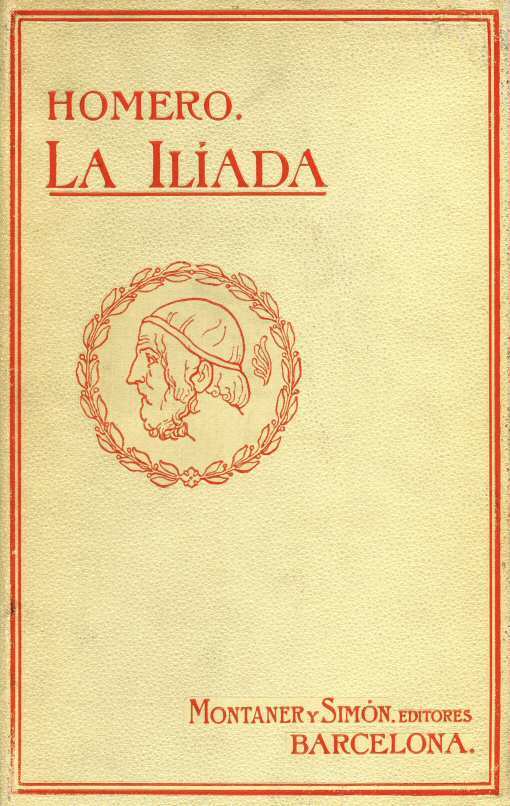
La Ilíada
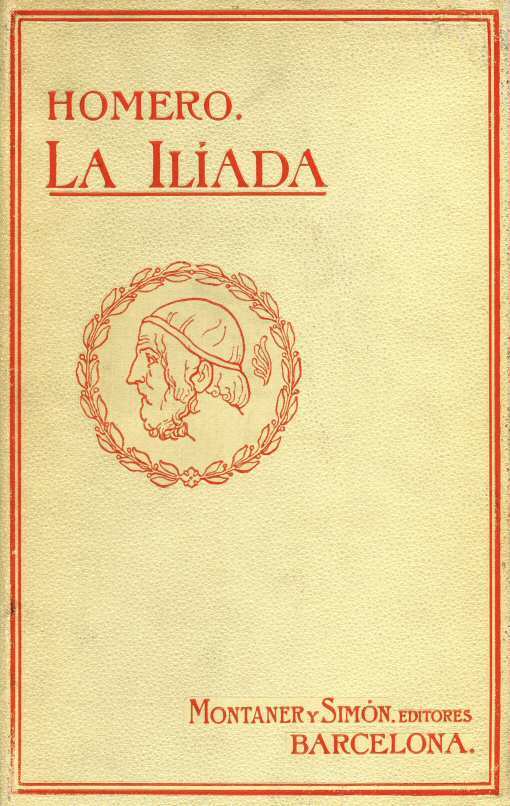
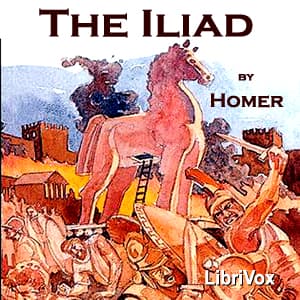
The Iliad opens with a single word: rage. Goddess, sing the rage of Achilles. What follows is the most shattering portrait of war in Western literature. When the proud Agamemnon steals the prize of the warrior Achilles, the greatest Greek fighter withdraws from the war not in defeat, but in fury. His decision to sit out the battle costs Greek lives by the thousands, yet he remains unmoved. Meanwhile, Hector and the Trojans push back, and the war's true horror unfolds: not the glory sung in halls, but the bodies in the river, the fathers burying sons, the city burning. The gods are not absent. They pick favorites, start arguments, descend to the battlefield in disguise. They are petty, vengeful, and utterly indifferent to the suffering of mortals who are only ever pieces in their games. The Iliad does not glorify war. It shows what war does to the people who fight it and the people who wait for them. It ends not with the horse, not with the city's fall, but with the burial of Hector, Achilles' enemy, the man he killed. It is a story about death and what, if anything, lasts after.
Editions

X-Ray
“…There is the heat of Love, the pulsing rush of Longing, the lover’s whisper, irresistible”
— Homer
“Hateful to me as the gates of Hades is that man who hides one thing in his heart and speaks another.””
— Homer
“Let me not then die ingloriously and without a struggle, but let me first do some great thing that shall be told among men hereafter.””
— Homer
“Sing, O muse, of the rage of Achilles, son of Peleus, that brought countless ills upon the Achaeans.””
— Homer
“Like the generations of leaves, the lives of mortal men. Now the wind scatters the old leaves across the earth, now the living timber bursts with the new buds and spring comes round again. And so with men: as one generation comes to life, another dies away.””
— Homer
“We men are wretched things.””
— Homer
“Why so much grief for me? No man will hurl me down to Death, against my fate. And fate? No one alive has ever escaped it, neither brave man nor coward, I tell you - it’s born with us the day that we are born.””
— Homer
“Achilles glared at him and answered, "Fool, prate not to me about covenants. There can be no covenants between men and lions, wolves and lambs can never be of one mind, but hate each other out and out an through. Therefore there can be no understanding between you and me, nor may there be any covenants between us, till one or other shall fall””
— Homer
“...like that star of the waning summer who beyond all stars rises bathed in the ocean stream to glitter in brilliance.””
— Homer
Link to this book
Add a free, dofollow link to Lex on your blog, forum, syllabus, or reading list.

<a href="https://lex-books.com/book/la-il-ada-ebe88f48-dcb1-46c7-bd76-5f29d0ca8ecf"><img src="https://lex-books.com/badges/read-on-lex.svg" alt="Read La Ilíada by Homer free on Lex" width="160" height="40"></a>[](https://lex-books.com/book/la-il-ada-ebe88f48-dcb1-46c7-bd76-5f29d0ca8ecf)[url=https://lex-books.com/book/la-il-ada-ebe88f48-dcb1-46c7-bd76-5f29d0ca8ecf][img]https://lex-books.com/badges/read-on-lex.svg[/img][/url]Read La Ilíada by Homer free on Lex: https://lex-books.com/book/la-il-ada-ebe88f48-dcb1-46c7-bd76-5f29d0ca8ecfCite this book
Reading this edition for a paper or guide? Copy a citation.
Homer. La Ilíada. Lex, lex-books.com/book/la-il-ada-ebe88f48-dcb1-46c7-bd76-5f29d0ca8ecf.Homer (n.d.). La Ilíada. Lex. https://lex-books.com/book/la-il-ada-ebe88f48-dcb1-46c7-bd76-5f29d0ca8ecfHomer. La Ilíada. Lex. https://lex-books.com/book/la-il-ada-ebe88f48-dcb1-46c7-bd76-5f29d0ca8ecf.