He
1926
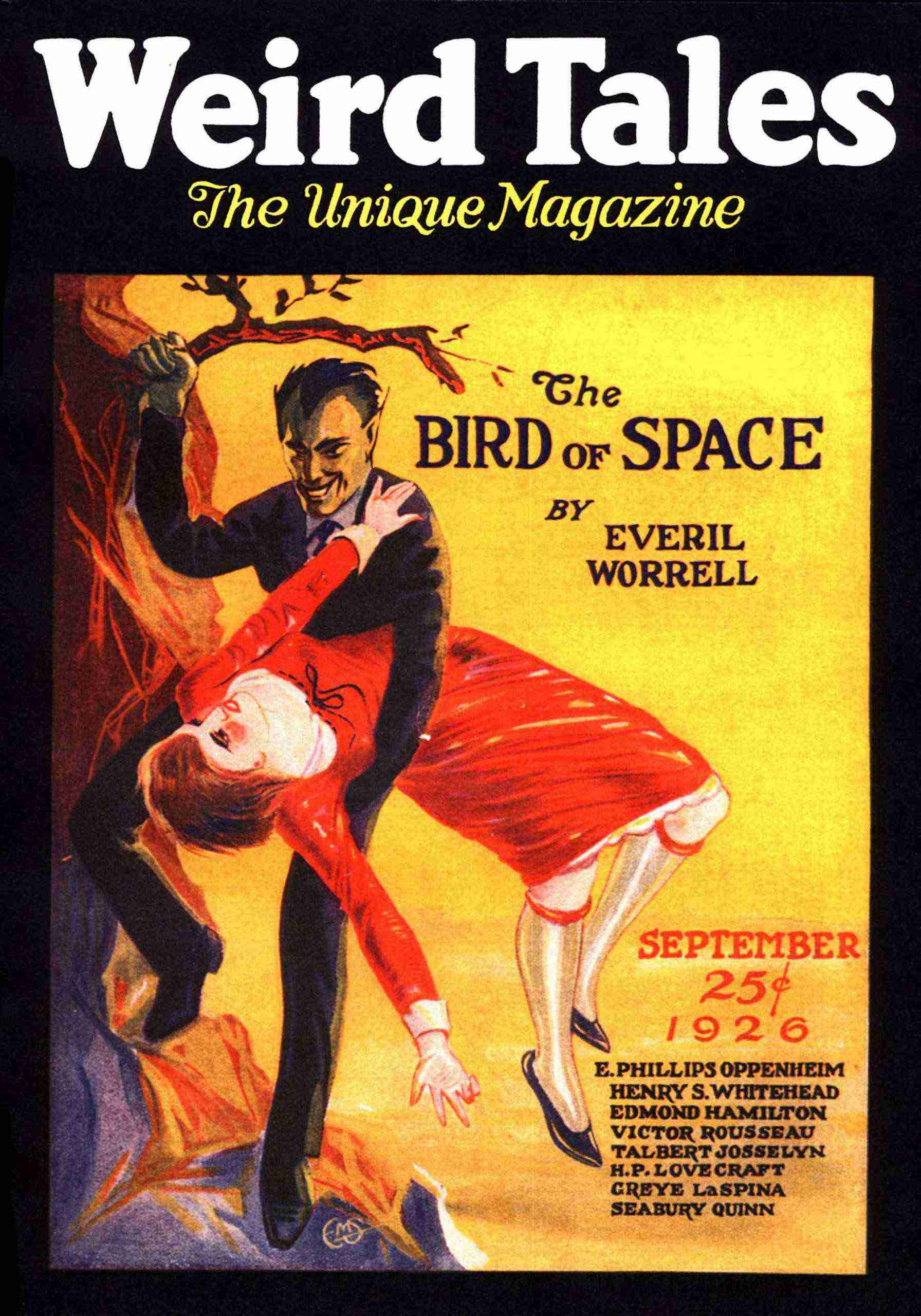
A nameless narrator wanders the streets of 1920s New York, haunted by sleeplessness and an obsession he cannot name. Then he spots the man in archaic clothing, standing motionless in crowds, appearing and reappearing with impossible frequency. He is ancient, this figure. He has watched the city rise and fall. And he has chosen the narrator for something neither of them can fully articulate. What begins as sinister curiosity curdles into all-consuming fixation. The narrator follows the old man through forgotten alleyways and decaying neighborhoods, deeper into a New York that exists beneath the surface, in the cracks between what is and what was. He sees visions. He loses his grip on the present tense. The city becomes a palimpsest of horror, every street a grave, every shadow a doorway to something that was never meant to be seen. Lovecraft at his most unsettling is not about monsters but about the dissolution of the self under the weight of knowledge too vast to bear. "He" is a fever dream of urban decay and temporal dread, a story that asks what happens when ordinary reality proves to be a thin skin stretched over an abyss.
Editions
X-Ray
“Furtiveness and secretiveness seemed universal in this hushed city of alienage and death, and I could not escape the sensation of being watched from ambush on every hand by sly, staring eyes that never shut.””
— H. P. Lovecraft
“their elm-shaded dignity had not entirely departed.””
— H. P. Lovecraft
“It was I who fled frantically out of Innsmouth in the early morning hours of July 16, 1927,””
— H. P. Lovecraft
“Is it possible that even my latest fear is sheer delusion?””
— H. P. Lovecraft
“After all, the strangest and maddest of myths are often merely symbols or allegories based upon truth...””
— H. P. Lovecraft
Link to this book
Add a free, dofollow link to Lex on your blog, forum, syllabus, or reading list.

<a href="https://lex-books.com/book/he-4fa500c8-8a02-414d-be63-124222fa7674"><img src="https://lex-books.com/badges/read-on-lex.svg" alt="Read He by H. P. Lovecraft free on Lex" width="160" height="40"></a>[](https://lex-books.com/book/he-4fa500c8-8a02-414d-be63-124222fa7674)[url=https://lex-books.com/book/he-4fa500c8-8a02-414d-be63-124222fa7674][img]https://lex-books.com/badges/read-on-lex.svg[/img][/url]Read He by H. P. Lovecraft free on Lex: https://lex-books.com/book/he-4fa500c8-8a02-414d-be63-124222fa7674Cite this book
Reading this edition for a paper or guide? Copy a citation.
Lovecraft, H. P.. He. Lex, lex-books.com/book/he-4fa500c8-8a02-414d-be63-124222fa7674.Lovecraft, H. P. (1926). He. Lex. https://lex-books.com/book/he-4fa500c8-8a02-414d-be63-124222fa7674Lovecraft, H. P.. He. Lex. https://lex-books.com/book/he-4fa500c8-8a02-414d-be63-124222fa7674.