Hamlet (version 3)

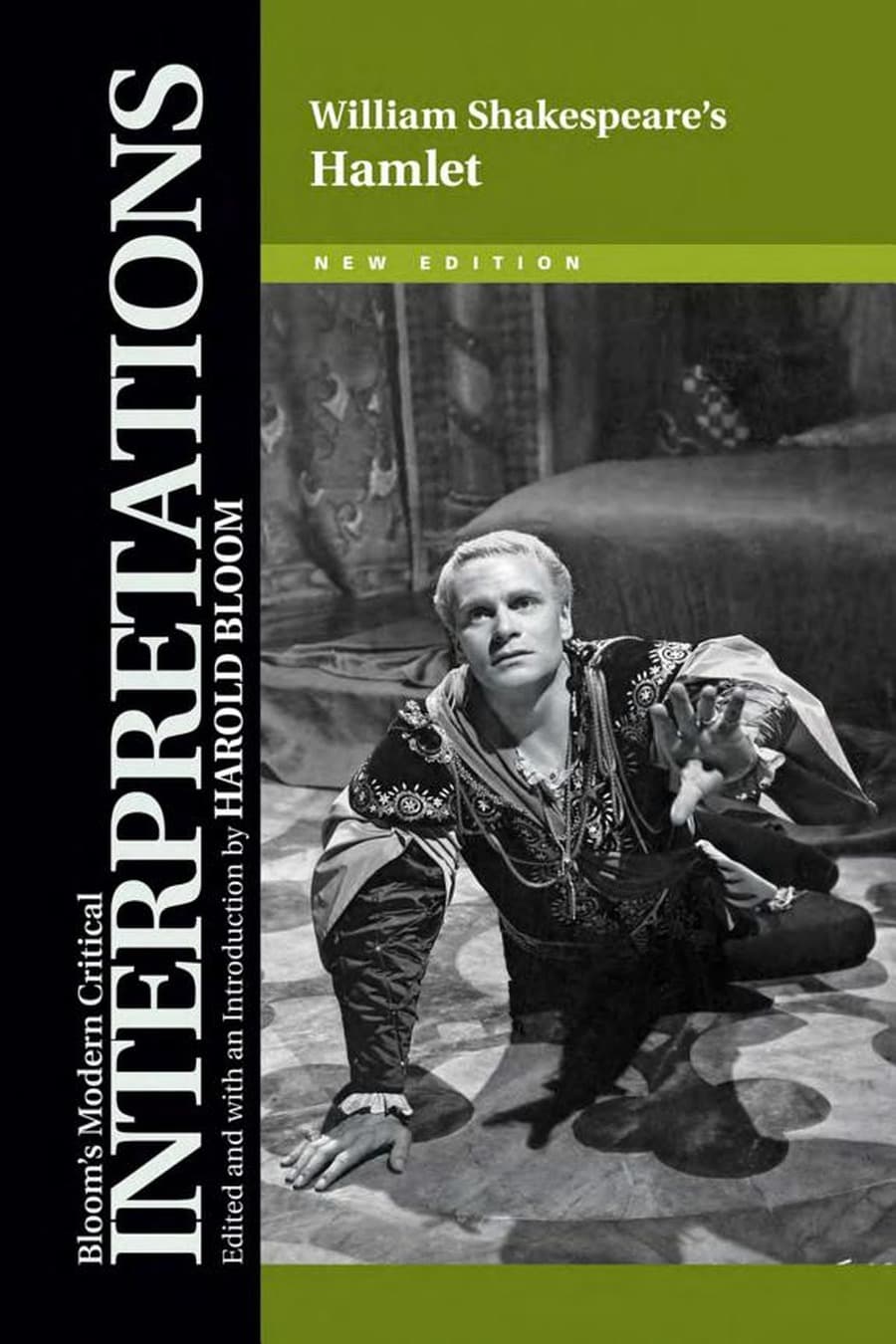
The young prince of Denmark returns home to find his father dead, his throne stolen by his uncle, and his mother already remarried to the murderer. When his father's ghost appears and demands vengeance, Hamlet is thrust into an impossible situation: he must act, but action feels impossible. What follows is the most psychologically devastating exploration of paralysis, grief, and rage ever put on stage. Shakespeare builds his tragedy around a question that still haunts us: what happens when the mind outpaces the will, when thinking becomes its own form of destruction? The prince feigns madness, watches a play to entrap his uncle, speaks to skulls in graveyards, and delays, always delays, until everything collapses into corpses. Along the way, he gives us the most famous soliloquies in the English language, interrogates the very nature of existence, and asks whether anything. The play is darkly funny in places, brutal in others, and unbearably sad in all of them. Four centuries later, Hamlet remains the definitive portrait of a mind unraveling under the weight of unbearable knowledge.
Editions


Link to this book
Add a free, dofollow link to Lex on your blog, forum, syllabus, or reading list.

<a href="https://lex-books.com/book/hamlet-version-3-a260e51c-10cf-47a2-bdb4-27a30b2a0520"><img src="https://lex-books.com/badges/read-on-lex.svg" alt="Read Hamlet (version 3) by William Shakespeare free on Lex" width="160" height="40"></a>[](https://lex-books.com/book/hamlet-version-3-a260e51c-10cf-47a2-bdb4-27a30b2a0520)[url=https://lex-books.com/book/hamlet-version-3-a260e51c-10cf-47a2-bdb4-27a30b2a0520][img]https://lex-books.com/badges/read-on-lex.svg[/img][/url]Read Hamlet (version 3) by William Shakespeare free on Lex: https://lex-books.com/book/hamlet-version-3-a260e51c-10cf-47a2-bdb4-27a30b2a0520Cite this book
Reading this edition for a paper or guide? Copy a citation.
Shakespeare, William. Hamlet (version 3). Lex, lex-books.com/book/hamlet-version-3-a260e51c-10cf-47a2-bdb4-27a30b2a0520.Shakespeare, W. (n.d.). Hamlet (version 3). Lex. https://lex-books.com/book/hamlet-version-3-a260e51c-10cf-47a2-bdb4-27a30b2a0520Shakespeare, William. Hamlet (version 3). Lex. https://lex-books.com/book/hamlet-version-3-a260e51c-10cf-47a2-bdb4-27a30b2a0520.