Geschichten
1914
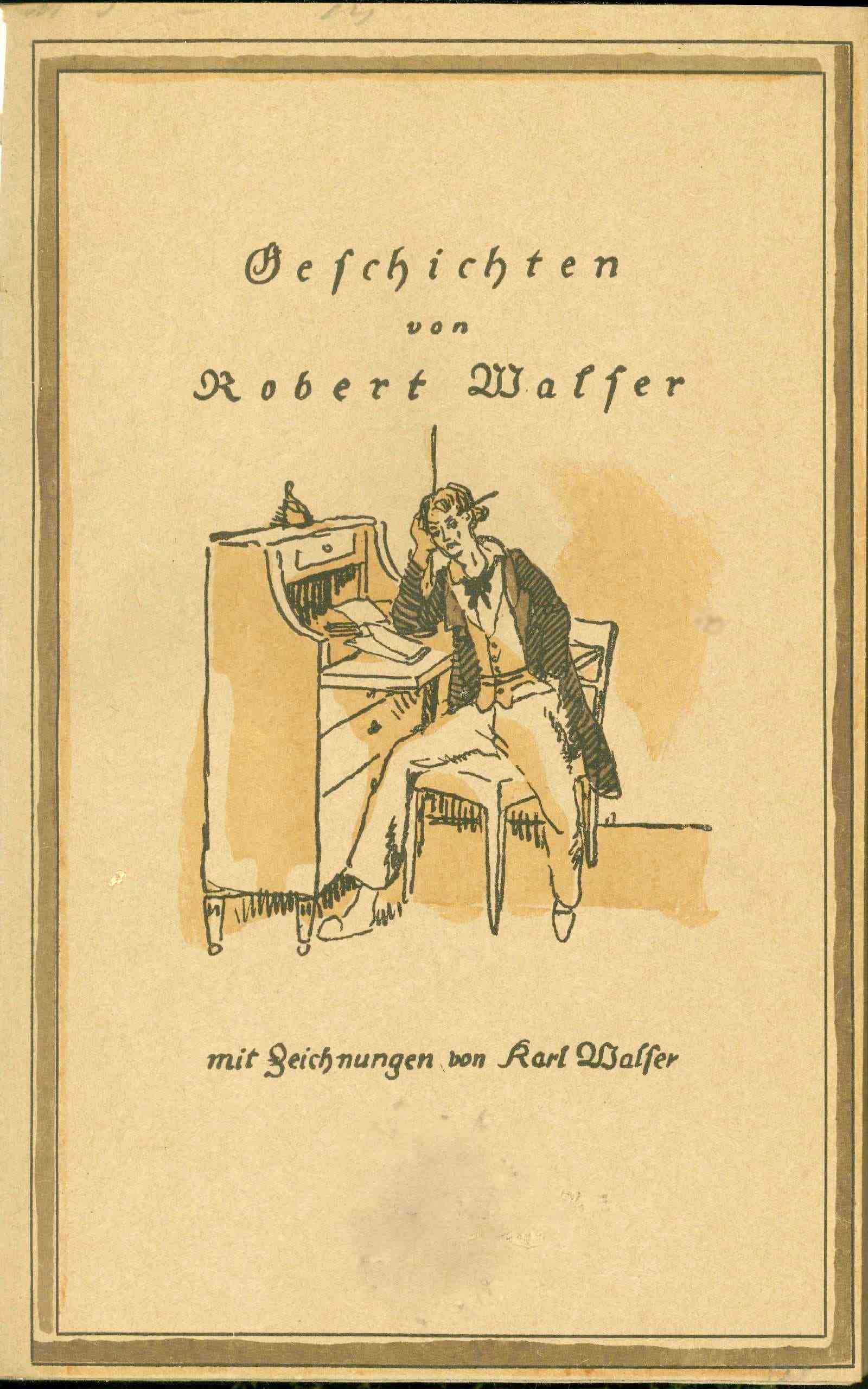
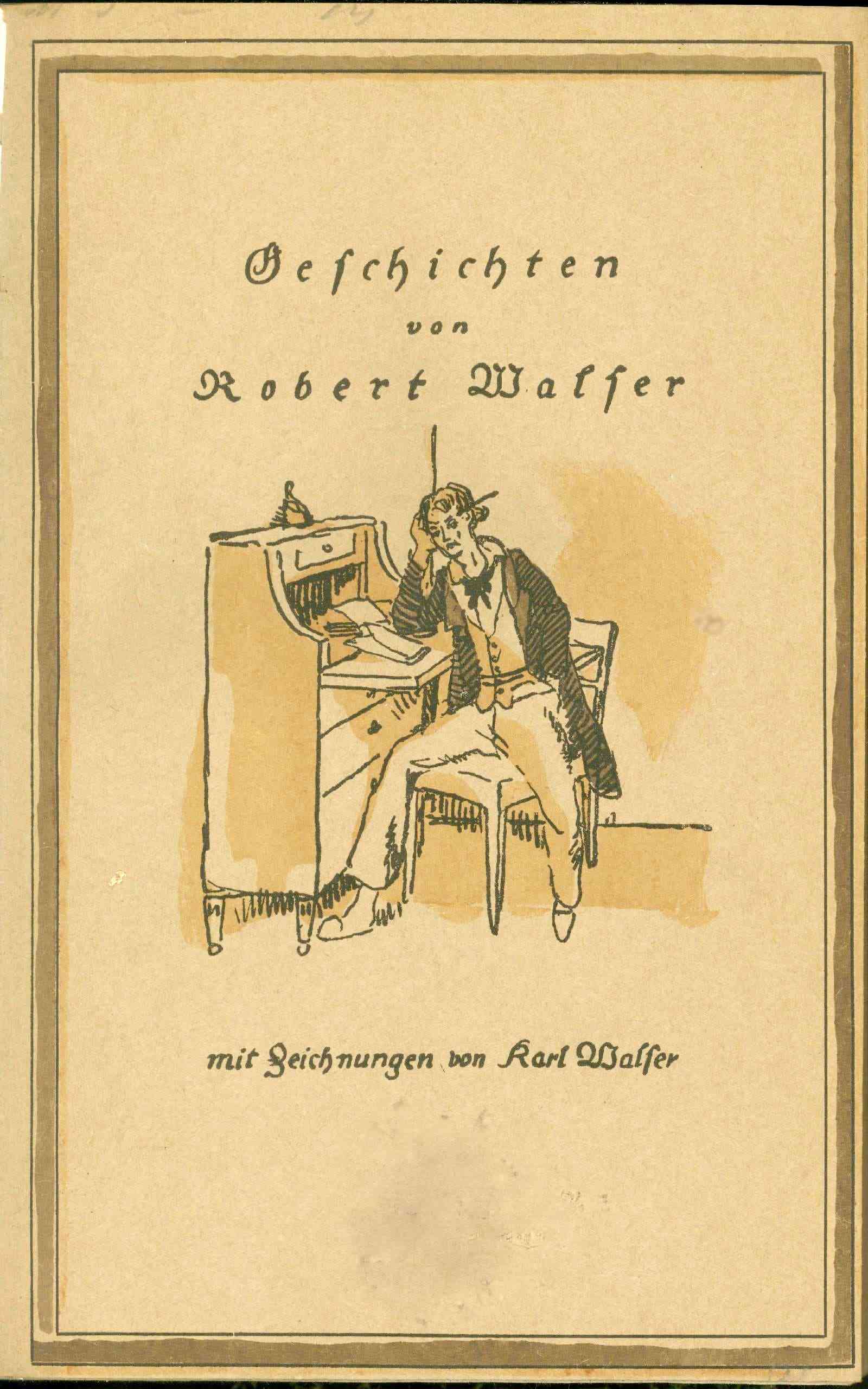
Geschichten is a collection of short stories by Swiss author Robert Walser, first published in 1914. The book features 42 vignettes that blend irony, tenderness, and whimsy, exploring themes of art, love, nature, and urban life. Notable for its playful style and unique perspective, Walser's work has influenced writers like Kafka and Sebald, making it an essential introduction to his elusive literary sensibility.
Editions
X-Ray
“Ultimately, the most romantic thing is the heart, and every sensitive person carries in himself old cities enclosed by ancient walls.””
— Robert Walser
“Houses, gardens, and people were transfigured into musical sounds, all that was solid seemed to be transfigured into soul and into gentleness. Sweet veils of silver and soul-haze swam through all things and lay over all things. The soul of the world had opened, and all grief, all human disappointment, all evil, all pain seemed to vanish, from now on never to appear again. Earlier walks came before my eyes; but the wonderful image of the humble present became a feeling which overpowered all others. The future paled, and the past dissolved. I glowed and flowered myself in the glowing, flowering present. From near and far, great things and small things emerged bright silver with marvelous gestures, joys, and enrichments, and in the midst of this beautiful place I dreamed of nothing but this place itself. All other fantasies sank and vanished in meaninglessness. I had the whole rich earth immediately before me, and I still looked only at what was most small and most humble. With gestures of love the heavens rose and fell. I had become an inward being, and walked as in an inward world; everything outside me became a dream; what I had understood till now became unintelligible. I fell away from the surface, down into the fabulous depths, which I recognized then to be all that was good. What we understand and love understands and loves us also. I was no longer myself, was another, and yet it was on this account that I became properly myself. In the sweet light of love I realized, or believe I realized, that perhaps the inward self is the only self which really exists.””
— Robert Walser
“We don’t need to see anything out of the ordinary. We already see so much.””
— Robert Walser
“Often I walked in the neighboring forest of fir and pine, whose beauties, wonderful winter solitudes, seemed to protect me from the onset of despair. Ineffably kind voices spoke down to me from the trees: 'You must not come to the hard conclusion that everything in the world is hard, false, and wicked. But come often to us; the forest likes you. In its company you will find health and good spirits again, and entertain more lofty and beautiful thoughts.””
— Robert Walser
“In fact, I love all repose and all that reposes, all thrift and moderation, and am in my inmost self, unfriendly toward any haste and agitation.””
— Robert Walser
“The soul of the world had opened and I fantasized that everything wicked, distressing and painful was on the point of vanishing...all notion of the future paled and the past dissolved. In the glowing present, I myself glowed.””
— Robert Walser
“It doesn't take much to show love, but at some time or another in your, praise God, disastrous life you must have felt, honestly and simply, what love is and how love likes to behave.””
— Robert Walser
“It is a very painful thing, having to part company with what torments you. And how mute the world is!””
— Robert Walser
“On the whole I consider the constant need for delight and diversion in completely new things to be a sign of pettiness, lack of inner life, of estrangement from nature, and of a mediocre or defective gift of understanding.””
— Robert Walser
Link to this book
Add a free, dofollow link to Lex on your blog, forum, syllabus, or reading list.

<a href="https://lex-books.com/book/geschichten-a0426afa-dc5d-47bf-a055-ca678bc03c5c"><img src="https://lex-books.com/badges/read-on-lex.svg" alt="Read Geschichten by Robert Walser free on Lex" width="160" height="40"></a>[](https://lex-books.com/book/geschichten-a0426afa-dc5d-47bf-a055-ca678bc03c5c)[url=https://lex-books.com/book/geschichten-a0426afa-dc5d-47bf-a055-ca678bc03c5c][img]https://lex-books.com/badges/read-on-lex.svg[/img][/url]Read Geschichten by Robert Walser free on Lex: https://lex-books.com/book/geschichten-a0426afa-dc5d-47bf-a055-ca678bc03c5cCite this book
Reading this edition for a paper or guide? Copy a citation.
Walser, Robert. Geschichten. Lex, lex-books.com/book/geschichten-a0426afa-dc5d-47bf-a055-ca678bc03c5c.Walser, R. (1914). Geschichten. Lex. https://lex-books.com/book/geschichten-a0426afa-dc5d-47bf-a055-ca678bc03c5cWalser, Robert. Geschichten. Lex. https://lex-books.com/book/geschichten-a0426afa-dc5d-47bf-a055-ca678bc03c5c.