Exposition upon the Song of the Blessed Virgin Mary called Magnificat
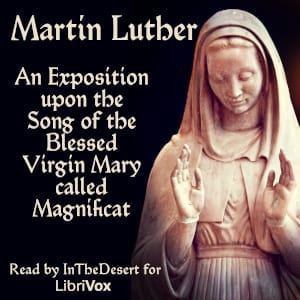
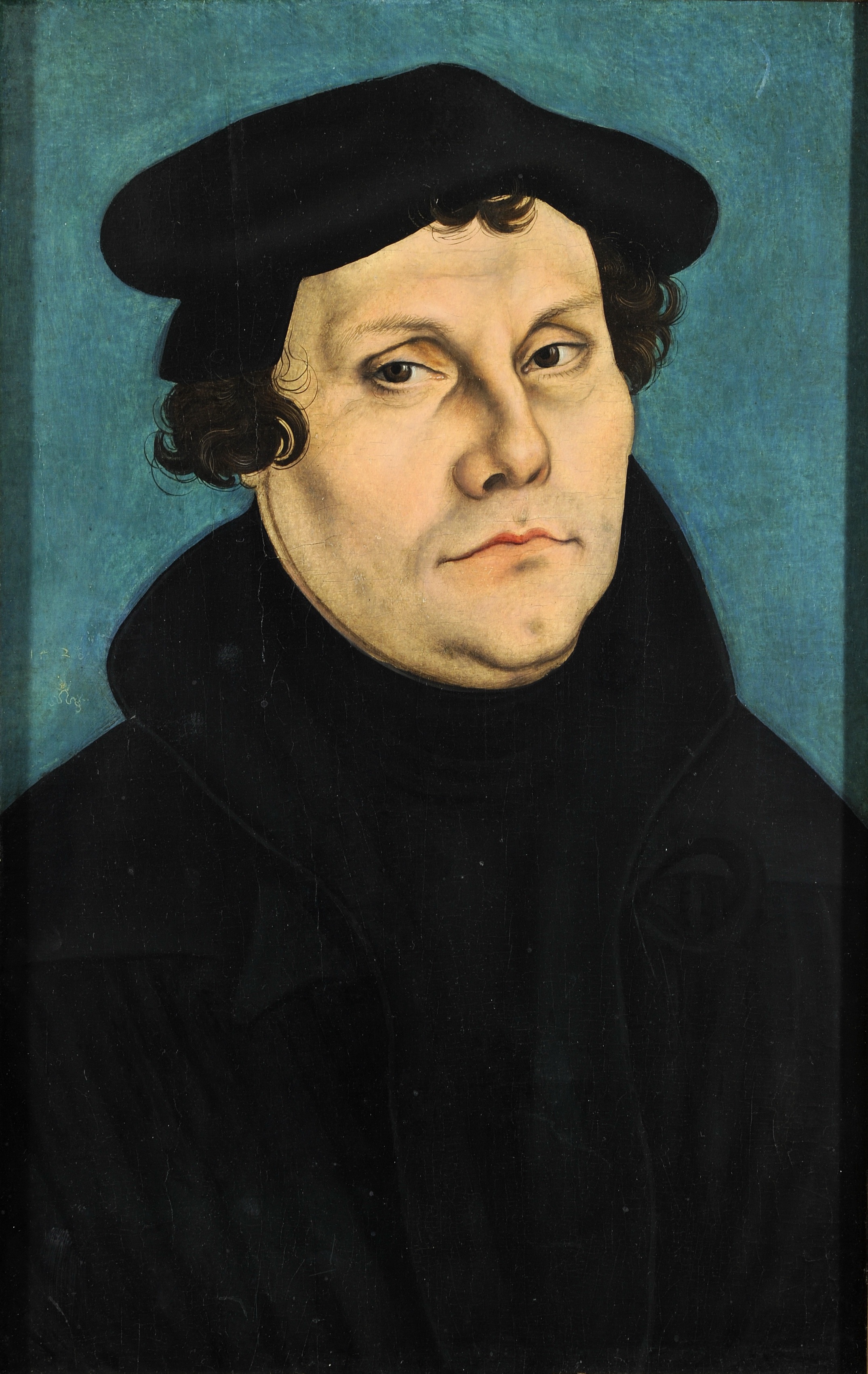
In the spring of 1521, Martin Luther faced what might be his final days. Summoned to appear before the Holy Roman Empire at Worms, where he risked imprisonment or death, the reformer nonetheless paused to write an extended meditation on one of Scripture's most beautiful passages: the Magnificat, Mary's song of praise. He addressed it to John Frederick, a teenage prince who would later become Elector of Saxony and a key patron of the Reformation. The result is neither dry theology nor simple devotional reading. It is a passionate, often startling exposition in which Luther unpacks Mary's prophetic declaration that God "has scattered the proud in the thoughts of their hearts" and "lifted up the humble." For Luther, this song is not merely Mary's words but a declaration of radical spiritual warfare: the great reversal in which God humbles the mighty and exalts the lowly through sheer grace. Written to be read rather than heard, this work reveals Luther at his most personal, mentoring a young man who would shape history, while wrestling with the deepest mysteries of faith in a moment of mortal danger. It endures because it captures the explosive heart of Reformation theology: that salvation comes not from human effort but from divine favor, turning the world's order upside down.
Editions

Link to this book
Add a free, dofollow link to Lex on your blog, forum, syllabus, or reading list.

<a href="https://lex-books.com/book/exposition-upon-the-song-of-the-blessed-virgin-mary-called-magnificat-09e48366-922b-49cf-8c91-3df49a592131"><img src="https://lex-books.com/badges/read-on-lex.svg" alt="Read Exposition upon the Song of the Blessed Virgin Mary called Magnificat by Martin Luther free on Lex" width="160" height="40"></a>[](https://lex-books.com/book/exposition-upon-the-song-of-the-blessed-virgin-mary-called-magnificat-09e48366-922b-49cf-8c91-3df49a592131)[url=https://lex-books.com/book/exposition-upon-the-song-of-the-blessed-virgin-mary-called-magnificat-09e48366-922b-49cf-8c91-3df49a592131][img]https://lex-books.com/badges/read-on-lex.svg[/img][/url]Read Exposition upon the Song of the Blessed Virgin Mary called Magnificat by Martin Luther free on Lex: https://lex-books.com/book/exposition-upon-the-song-of-the-blessed-virgin-mary-called-magnificat-09e48366-922b-49cf-8c91-3df49a592131Cite this book
Reading this edition for a paper or guide? Copy a citation.
Luther, Martin. Exposition upon the Song of the Blessed Virgin Mary called Magnificat. Lex, lex-books.com/book/exposition-upon-the-song-of-the-blessed-virgin-mary-called-magnificat-09e48366-922b-49cf-8c91-3df49a592131.Luther, M. (n.d.). Exposition upon the Song of the Blessed Virgin Mary called Magnificat. Lex. https://lex-books.com/book/exposition-upon-the-song-of-the-blessed-virgin-mary-called-magnificat-09e48366-922b-49cf-8c91-3df49a592131Luther, Martin. Exposition upon the Song of the Blessed Virgin Mary called Magnificat. Lex. https://lex-books.com/book/exposition-upon-the-song-of-the-blessed-virgin-mary-called-magnificat-09e48366-922b-49cf-8c91-3df49a592131.