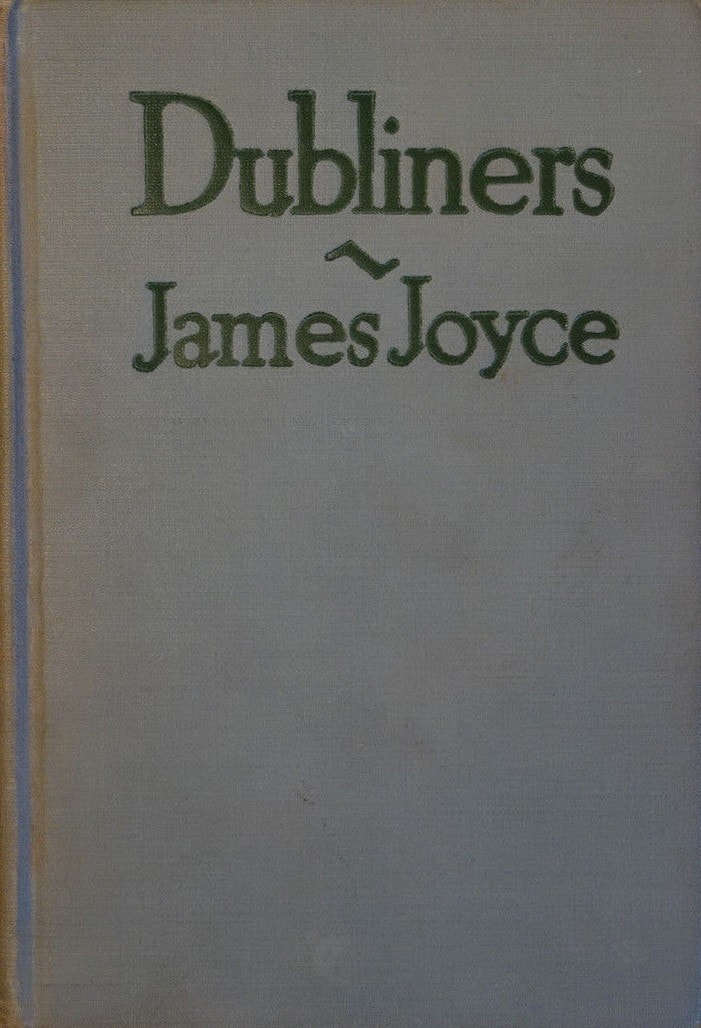
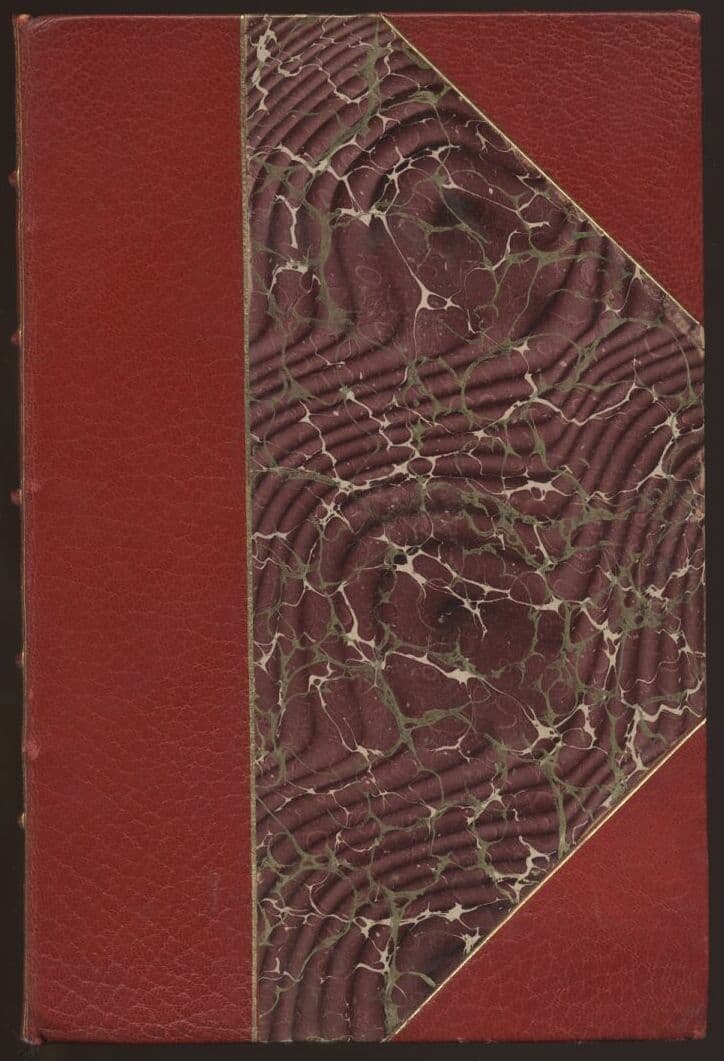
Dubliners
1914
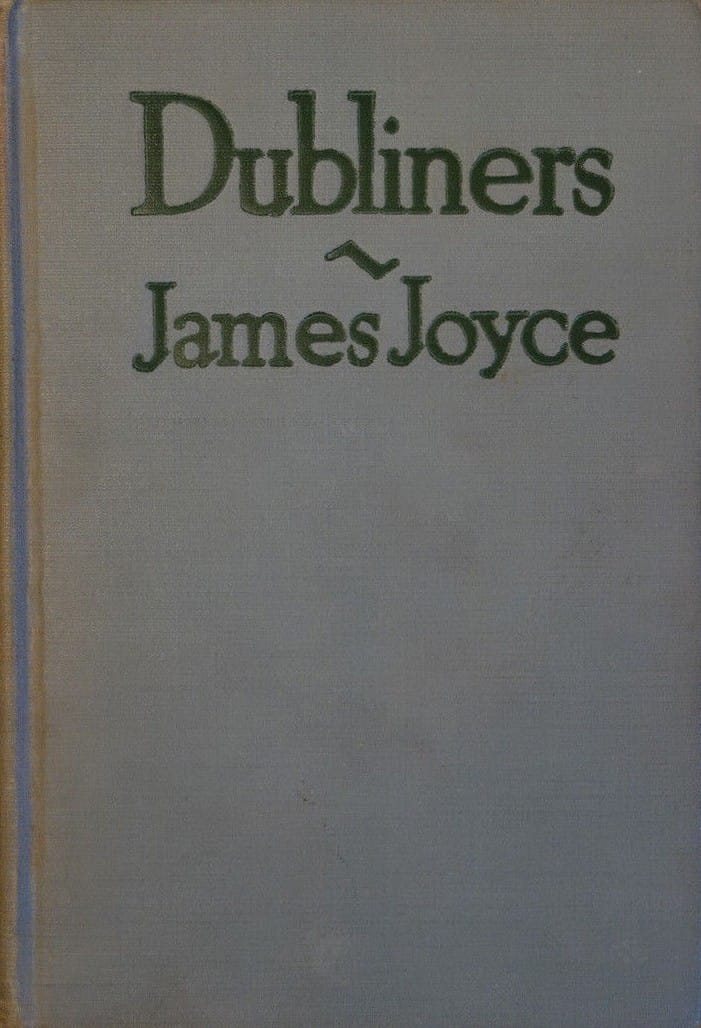
Fifteen stories, fifteen lives suspended in the gray Dublin drizzle. Joyce wrote these portraits of ordinary people caught in the grip of stasis, clerks, schoolboys, priests, widows, husbands, all of them reaching toward something just beyond their grasp and failing to reach it. The collection moves from childhood confusion through adolescent longing to the mature resignations of adulthood, each story a small autopsy of the soul. What makes Dubliners endure is Joyce's ruthless clarity: he refused to romanticize his countrymen, insisted on real place names and real profanity, fought publishers for a decade to preserve every uncomfortable detail. The result feels less like fiction than like held-up mirrors. In stories like 'Araby' and 'The Dead,' the prose achieves a quiet devastation, all that remains unsaid, all the opportunities not taken, all the epiphanies that arrive too late. These are people trapped by Catholicism, nationalism, and their own timidity, watching their brief lives slip past. The book endures because it understands something essential about how we fail to live, how we mistake paralysis for stability, how a single moment of clarity can arrive only when it can no longer change anything.
Editions
X-Ray
“A few light taps upon the pane made him turn to the window. It had begun to snow again. He watched sleepily the flakes, silver and dark, falling obliquely against the lamplight. The time had come for him to set out on his journey westward. Yes, the newspapers were right: snow was general all over Ireland. It was falling on every part of the dark central plain, on the treeless hills, falling softly upon the Bog of Allen and, farther westward, softly falling into the dark mutinous Shannon waves. It was falling, too, upon every part of the lonely churchyard on the hill where Michael Furey lay buried. It lay thickly drifted on the crooked crosses and headstones, on the spears of the little gate, on the barren thorns. His soul swooned slowly as he heard the snow falling faintly through the universe and faintly falling, like the descent of their last end, upon all the living and the dead.””
— James Joyce
“But my body was like a harp and her words and gestures were like fingers running upon the wires.from “Araby””
— James Joyce
“and yet her name was like a summons to all my foolish blood.””
— James Joyce
“One by one they were all becoming shades. Better pass boldly into that other world, in the full glory of some passion, than fade and wither dismally with age.””
— James Joyce
“Mr. Duffy lived a short distance from his body.””
— James Joyce
“I wanted real adventures to happen to myself. But realadventures, I reflected, do not happen to people who remain at home: they must be sought abroad.””
— James Joyce
“Too excited to be genuinely happy””
— James Joyce
“He lived at a little distance from his body, regarding his own acts with doubtful side-glances. He had an odd autobiographical habit which led him to compose in his mind from time to time a short sentence about himself containing a subject in the third person and a verb in the past tense.””
— James Joyce
“Gazing up into the darkness I saw myself as a creature driven and derided by vanity; and my eyes burned with anguish and anger.””
— James Joyce
Link to this book
Add a free, dofollow link to Lex on your blog, forum, syllabus, or reading list.

<a href="https://lex-books.com/book/dubliners-3e1daf57-a361-4b08-b857-ad691e06f175"><img src="https://lex-books.com/badges/read-on-lex.svg" alt="Read Dubliners by James Joyce free on Lex" width="160" height="40"></a>[](https://lex-books.com/book/dubliners-3e1daf57-a361-4b08-b857-ad691e06f175)[url=https://lex-books.com/book/dubliners-3e1daf57-a361-4b08-b857-ad691e06f175][img]https://lex-books.com/badges/read-on-lex.svg[/img][/url]Read Dubliners by James Joyce free on Lex: https://lex-books.com/book/dubliners-3e1daf57-a361-4b08-b857-ad691e06f175Cite this book
Reading this edition for a paper or guide? Copy a citation.
Joyce, James. Dubliners. Lex, lex-books.com/book/dubliners-3e1daf57-a361-4b08-b857-ad691e06f175.Joyce, J. (1914). Dubliners. Lex. https://lex-books.com/book/dubliners-3e1daf57-a361-4b08-b857-ad691e06f175Joyce, James. Dubliners. Lex. https://lex-books.com/book/dubliners-3e1daf57-a361-4b08-b857-ad691e06f175.