Driven Back to Eden
1885
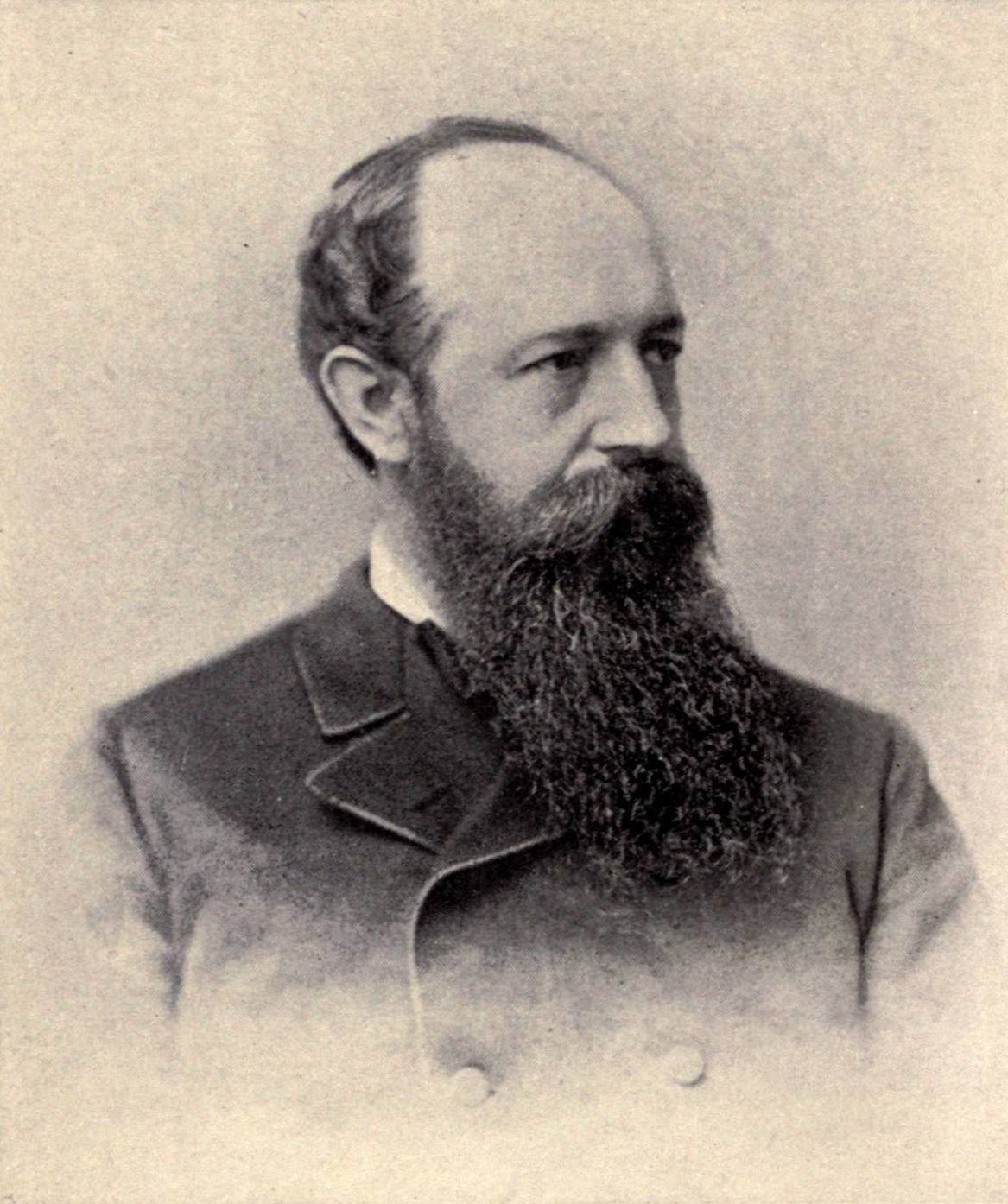
In 1885, Edward Payson Roe captured a dream that still haunts city-dwellers: the longing to flee congestion and corruption for clean air and open land. The Durham family of New York City is barely surviving. Their children are pale, their finances precarious, their neighborhood thick with vice. Robert Durham, a hardware store clerk with a poet's soul and a father's anguish, watches his family drift toward ruin and makes a decision that sounds either heroic or reckless: he will abandon everything for a farm in the country. What follows is the intimate, often comic, always sincere chronicle of a family learning to live differently. They wrestle with soil, livestock, and their own shortcomings. They discover that paradise requires more than a change of address. Roe writes with genuine tenderness about the small triumphs and large fears of ordinary people trying to build something real with their hands. The novel pulses with Victorian optimism about nature's healing power, but it's also honest about the cost: hard work, uncertainty, and the terrifying freedom of self-reliance. For readers who dream of escaping the grid, this is a window into what our great-great-grandparents imagined when they dreamed of a better life.
Editions

Link to this book
Add a free, dofollow link to Lex on your blog, forum, syllabus, or reading list.

<a href="https://lex-books.com/book/driven-back-to-eden-5e7dc150-2156-48ca-bd6b-c53142022f7a"><img src="https://lex-books.com/badges/read-on-lex.svg" alt="Read Driven Back to Eden by Edward Payson Roe free on Lex" width="160" height="40"></a>[](https://lex-books.com/book/driven-back-to-eden-5e7dc150-2156-48ca-bd6b-c53142022f7a)[url=https://lex-books.com/book/driven-back-to-eden-5e7dc150-2156-48ca-bd6b-c53142022f7a][img]https://lex-books.com/badges/read-on-lex.svg[/img][/url]Read Driven Back to Eden by Edward Payson Roe free on Lex: https://lex-books.com/book/driven-back-to-eden-5e7dc150-2156-48ca-bd6b-c53142022f7aCite this book
Reading this edition for a paper or guide? Copy a citation.
Roe, Edward Payson. Driven Back to Eden. Lex, lex-books.com/book/driven-back-to-eden-5e7dc150-2156-48ca-bd6b-c53142022f7a.Roe, E. P. (1885). Driven Back to Eden. Lex. https://lex-books.com/book/driven-back-to-eden-5e7dc150-2156-48ca-bd6b-c53142022f7aRoe, Edward Payson. Driven Back to Eden. Lex. https://lex-books.com/book/driven-back-to-eden-5e7dc150-2156-48ca-bd6b-c53142022f7a.