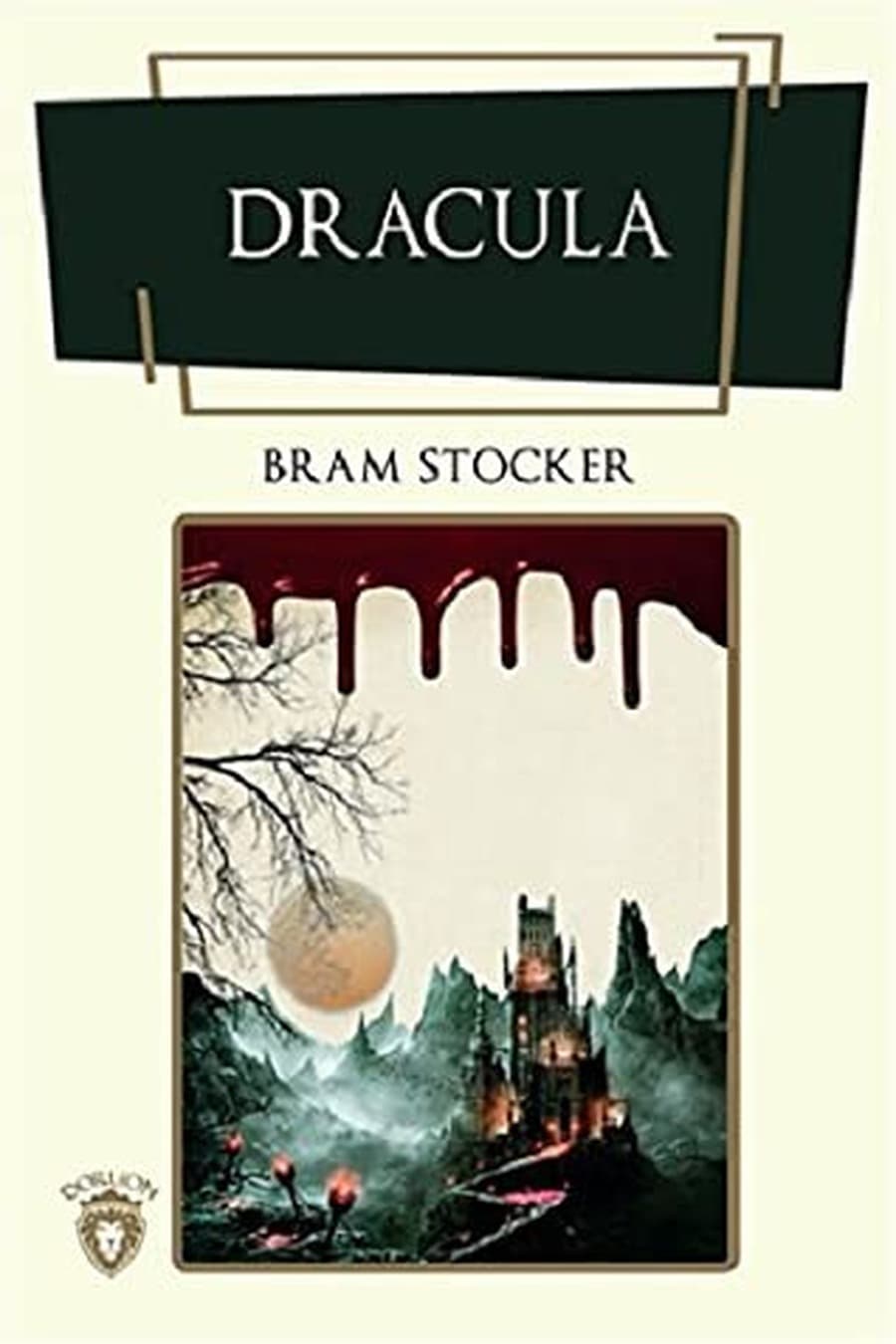
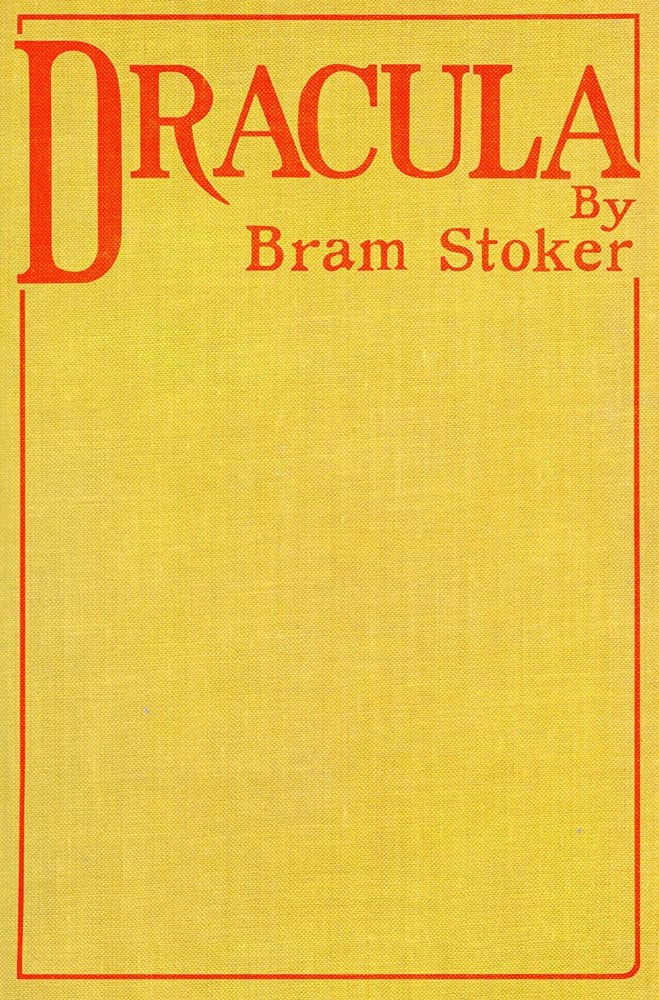
Drakula: Angol Regény
1897
The novel that invented the modern vampire. Bram Stoker's 1897 masterpiece unfolds through letters, diary entries, and newspaper clippings, creating a portrait of terror that feels urgently personal. Jonathan Harker, a young English solicitor, travels to a remote castle in Transylvania to handle real estate documents for a mysterious Count. What should be a simple business trip becomes a descent into nightmare. The locals warn him with ancient fears. The castle has no mirrors. And Dracula himself moves with a charm that conceals something far older and hungrier than any nobleman. Harker realizes too late that he is not the client but the prey, trapped in a world where the old horrors of Eastern Europe are about to cross the threshold into proper Victorian England. The novel's genius lies in what it suggests rather than shows: sexuality coiled around violence, the foreign as the monstrous, and the creeping suspicion that the daylight world of reason and science is far more fragile than it appears.
Editions
X-Ray
“We learn from failure, not from success!””
— Bram Stoker
“I am longing to be with you, and by the sea, where we can talk together freely and build our castles in the air.””
— Bram Stoker
“Once again...welcome to my house. Come freely. Go safely; and leave something of the happiness you bring.””
— Bram Stoker
“I am all in a sea of wonders. I doubt; I fear; I think strange things, which I dare not confess to my own soul.””
— Bram Stoker
“There is a reason why all things are as they are.””
— Bram Stoker
“Remember my friend, that knowledge is stronger than memory, and we should not trust the weaker””
— Bram Stoker
“I want you to believe...to believe in things that you cannot.””
— Bram Stoker
“Despair has its own calms.””
— Bram Stoker
“Loneliness will sit over our roofs with brooding wings.””
— Bram Stoker
Link to this book
Add a free, dofollow link to Lex on your blog, forum, syllabus, or reading list.

<a href="https://lex-books.com/book/drakula-angol-reg-ny-19a2d663-16ac-4faf-b427-6d5c4cac2a10"><img src="https://lex-books.com/badges/read-on-lex.svg" alt="Read Drakula: Angol Regény by Bram Stoker free on Lex" width="160" height="40"></a>[](https://lex-books.com/book/drakula-angol-reg-ny-19a2d663-16ac-4faf-b427-6d5c4cac2a10)[url=https://lex-books.com/book/drakula-angol-reg-ny-19a2d663-16ac-4faf-b427-6d5c4cac2a10][img]https://lex-books.com/badges/read-on-lex.svg[/img][/url]Read Drakula: Angol Regény by Bram Stoker free on Lex: https://lex-books.com/book/drakula-angol-reg-ny-19a2d663-16ac-4faf-b427-6d5c4cac2a10Cite this book
Reading this edition for a paper or guide? Copy a citation.
Stoker, Bram. Drakula: Angol Regény. Lex, lex-books.com/book/drakula-angol-reg-ny-19a2d663-16ac-4faf-b427-6d5c4cac2a10.Stoker, B. (1897). Drakula: Angol Regény. Lex. https://lex-books.com/book/drakula-angol-reg-ny-19a2d663-16ac-4faf-b427-6d5c4cac2a10Stoker, Bram. Drakula: Angol Regény. Lex. https://lex-books.com/book/drakula-angol-reg-ny-19a2d663-16ac-4faf-b427-6d5c4cac2a10.