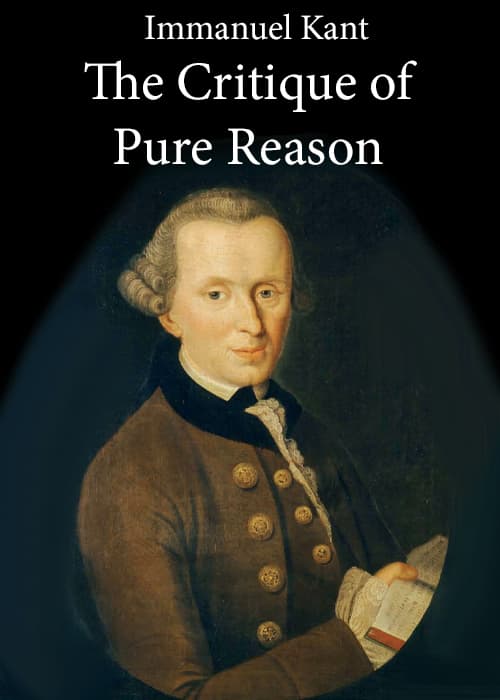
Critique of Pure Reason
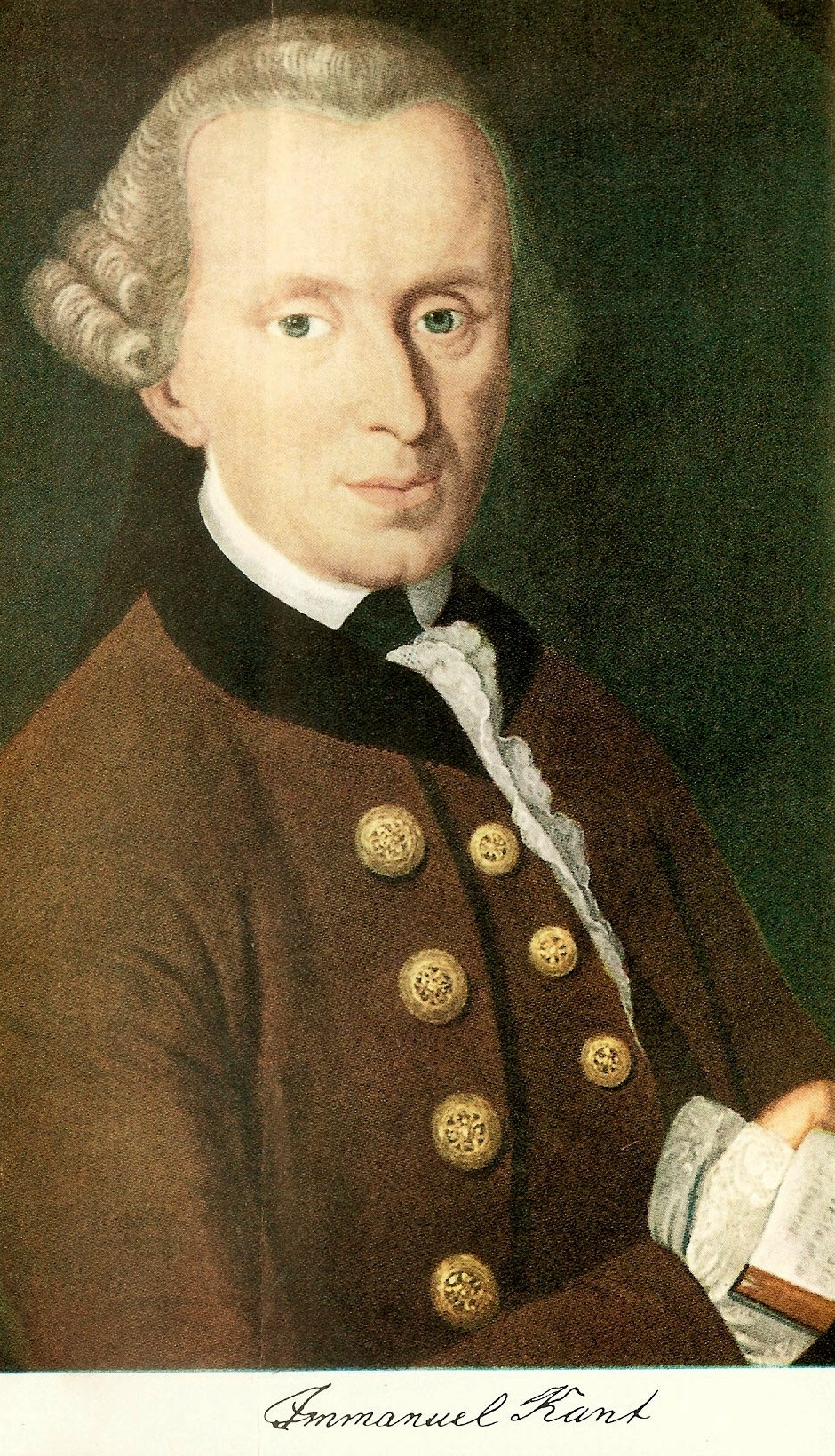
Kant asks a question that sounds simple but detonates philosophy: how is knowledge possible? What he found shattered the certainties of the Enlightenment. Before him, rationalists insisted we could know reality through reason alone, while empiricists argued everything came from sensory experience. Kant saw both sides were right and both were wrong. The mind, he demonstrates, is not a passive receiver of data but an active architect of experience. We perceive the world through a priori structures, space, time, causality, that we didn't learn from experience because they make experience possible. We encounter only appearances (phenomena), never the thing-in-itself (noumena). The universe we think we're describing is partly our own creation. This revolutionary insight didn't just answer an old debate; it ended the old game entirely. Every major philosophical movement since, from German idealism to existentialism to analytic philosophy, has had to answer Kant or be answered by him. He established the central problem of modern philosophy: the tension between the world as it appears and the world that might exist independently of our minds.
Editions

Read by
Group Narration
15 readers
ML Cohen, Stewart Wills, Carl Manchester, JemmaBlythe +11 more
Link to this book
Add a free, dofollow link to Lex on your blog, forum, syllabus, or reading list.

<a href="https://lex-books.com/book/critique-of-pure-reason-e315d550-c4a2-42e1-adb2-bcd047323c52"><img src="https://lex-books.com/badges/read-on-lex.svg" alt="Read Critique of Pure Reason by Immanuel Kant free on Lex" width="160" height="40"></a>[](https://lex-books.com/book/critique-of-pure-reason-e315d550-c4a2-42e1-adb2-bcd047323c52)[url=https://lex-books.com/book/critique-of-pure-reason-e315d550-c4a2-42e1-adb2-bcd047323c52][img]https://lex-books.com/badges/read-on-lex.svg[/img][/url]Read Critique of Pure Reason by Immanuel Kant free on Lex: https://lex-books.com/book/critique-of-pure-reason-e315d550-c4a2-42e1-adb2-bcd047323c52Cite this book
Reading this edition for a paper or guide? Copy a citation.
Kant, Immanuel. Critique of Pure Reason. Lex, lex-books.com/book/critique-of-pure-reason-e315d550-c4a2-42e1-adb2-bcd047323c52.Kant, I. (n.d.). Critique of Pure Reason. Lex. https://lex-books.com/book/critique-of-pure-reason-e315d550-c4a2-42e1-adb2-bcd047323c52Kant, Immanuel. Critique of Pure Reason. Lex. https://lex-books.com/book/critique-of-pure-reason-e315d550-c4a2-42e1-adb2-bcd047323c52.