Clotelle; Or, the Colored Heroine, a Tale of the Southern States; Or, the President's Daughter
1853
Clotelle; Or, the Colored Heroine, a Tale of the Southern States; Or, the President's Daughter
1853
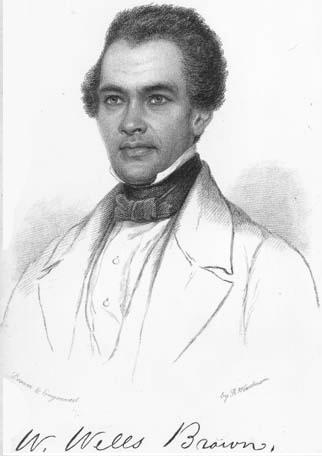
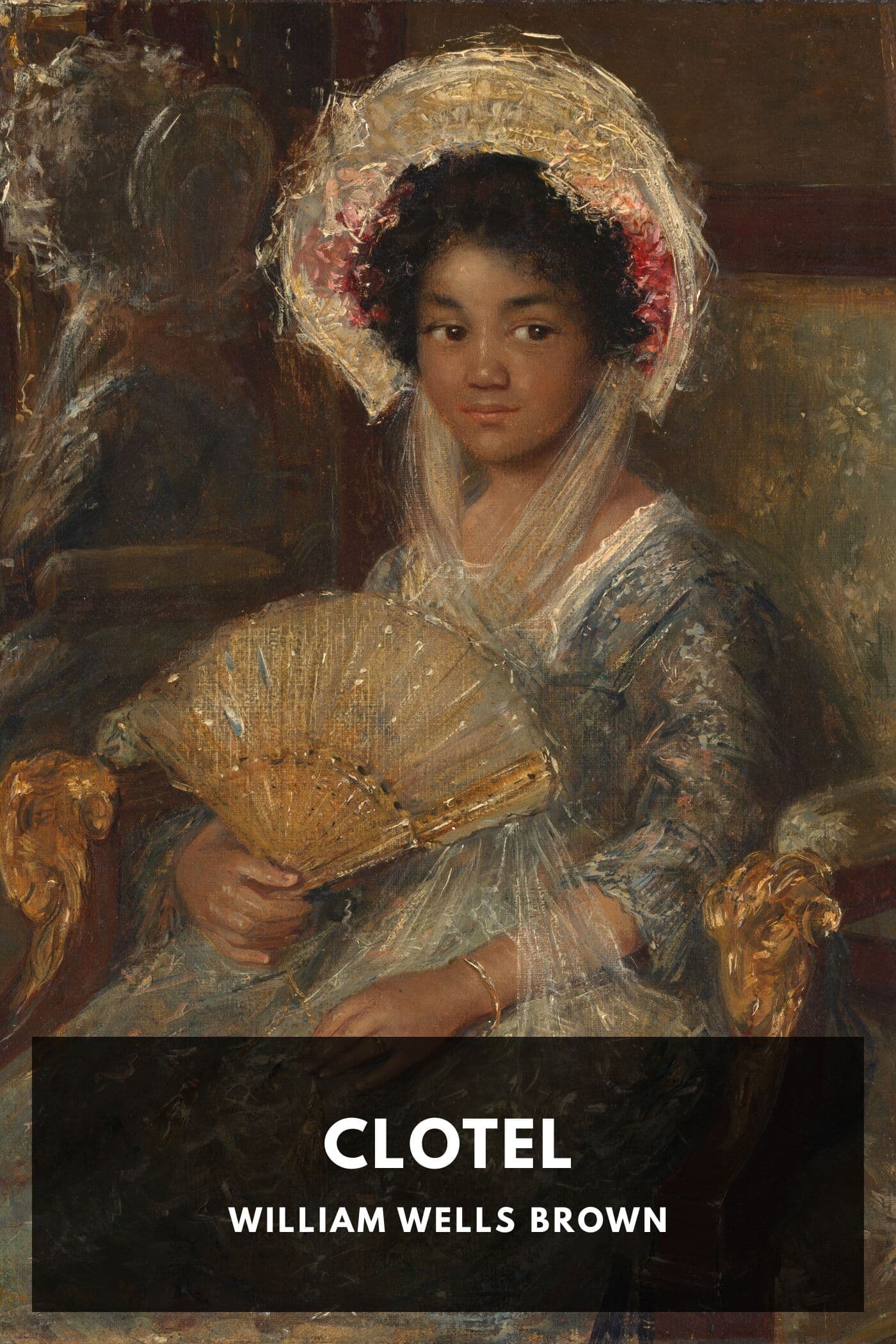
In 1853, William Wells Brown dared to ask a question that haunted America: what if the nation's founding father had children with his enslaved woman, and those children were then sold into slavery? Based on rumors that Thomas Jefferson fathered children with Sally Hemings, Clotel opens with a devastating scene: the auction of Currer, the President's mistress, and their two daughters. One of those daughters, Clotel, is bought by a Virginian who promises her freedom, gets her pregnant, then sells her anyway. What follows is a harrowing flight to freedom, as Clotel escapes and disguises herself as a white man to rescue her own daughter, Mary, still enslaved in her father's house. This is not historical fiction as we understand it today. This is abolitionist polemic rendered as popular sensation, a deliberate challenge to the lie of racial purity and the hypocrisy of a nation that proclaimed equality while owning human beings. Brown understood that race itself was a cultural weapon, and he wielded literature as a counter-weapon. Clotel is the founding text of the African American novel, and it remains a shattering account of how slavery destroyed families, how freedom was purchased with blood, and how a people refused to be erased.
Editions
X-Ray
“WITH the growing population of slaves in the Southern States of America, there is a fearful increase of half whites, most of whose fathers are slaveowners and their mothers slaves.””
— William Wells Brown
“But, sad to say, Jefferson is not the only American statesman who has spoken high-sounding words in favour of freedom, and then left his own children to die slaves.””
— William Wells Brown
Link to this book
Add a free, dofollow link to Lex on your blog, forum, syllabus, or reading list.

<a href="https://lex-books.com/book/clotelle-or-the-colored-heroine-a-tale-of-the-southern-states-or-the-president-s-3ba672d5-699f-4aee-868c-0e6bc2f0cf16"><img src="https://lex-books.com/badges/read-on-lex.svg" alt="Read Clotelle; Or, the Colored Heroine, a Tale of the Southern States; Or, the President's Daughter by William Wells Brown free on Lex" width="160" height="40"></a>[](https://lex-books.com/book/clotelle-or-the-colored-heroine-a-tale-of-the-southern-states-or-the-president-s-3ba672d5-699f-4aee-868c-0e6bc2f0cf16)[url=https://lex-books.com/book/clotelle-or-the-colored-heroine-a-tale-of-the-southern-states-or-the-president-s-3ba672d5-699f-4aee-868c-0e6bc2f0cf16][img]https://lex-books.com/badges/read-on-lex.svg[/img][/url]Read Clotelle; Or, the Colored Heroine, a Tale of the Southern States; Or, the President's Daughter by William Wells Brown free on Lex: https://lex-books.com/book/clotelle-or-the-colored-heroine-a-tale-of-the-southern-states-or-the-president-s-3ba672d5-699f-4aee-868c-0e6bc2f0cf16Cite this book
Reading this edition for a paper or guide? Copy a citation.
Brown, William Wells. Clotelle; Or, the Colored Heroine, a Tale of the Southern States; Or, the President's Daughter. Lex, lex-books.com/book/clotelle-or-the-colored-heroine-a-tale-of-the-southern-states-or-the-president-s-3ba672d5-699f-4aee-868c-0e6bc2f0cf16.Brown, W. W. (1853). Clotelle; Or, the Colored Heroine, a Tale of the Southern States; Or, the President's Daughter. Lex. https://lex-books.com/book/clotelle-or-the-colored-heroine-a-tale-of-the-southern-states-or-the-president-s-3ba672d5-699f-4aee-868c-0e6bc2f0cf16Brown, William Wells. Clotelle; Or, the Colored Heroine, a Tale of the Southern States; Or, the President's Daughter. Lex. https://lex-books.com/book/clotelle-or-the-colored-heroine-a-tale-of-the-southern-states-or-the-president-s-3ba672d5-699f-4aee-868c-0e6bc2f0cf16.