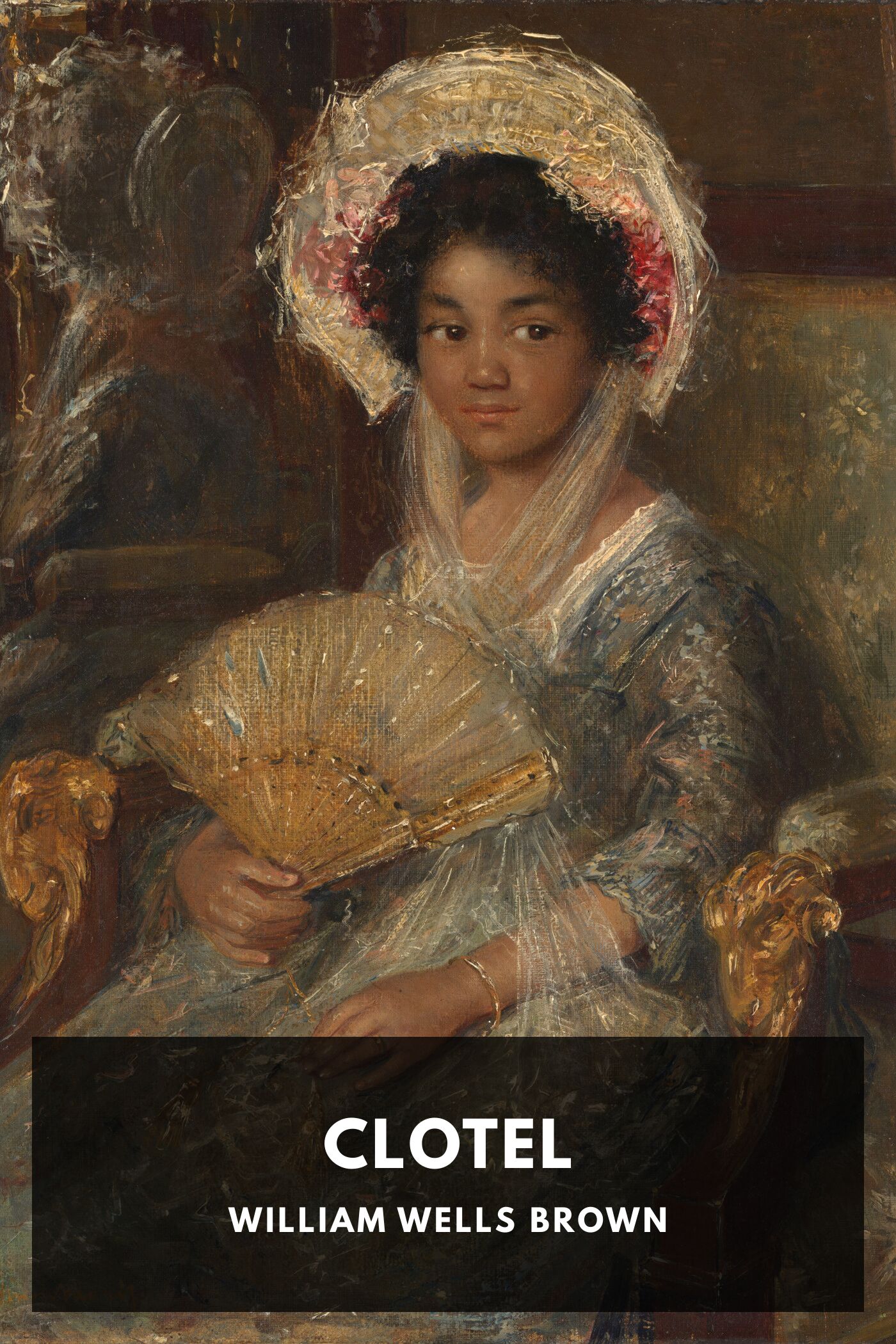
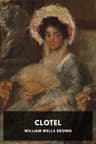
Clotel
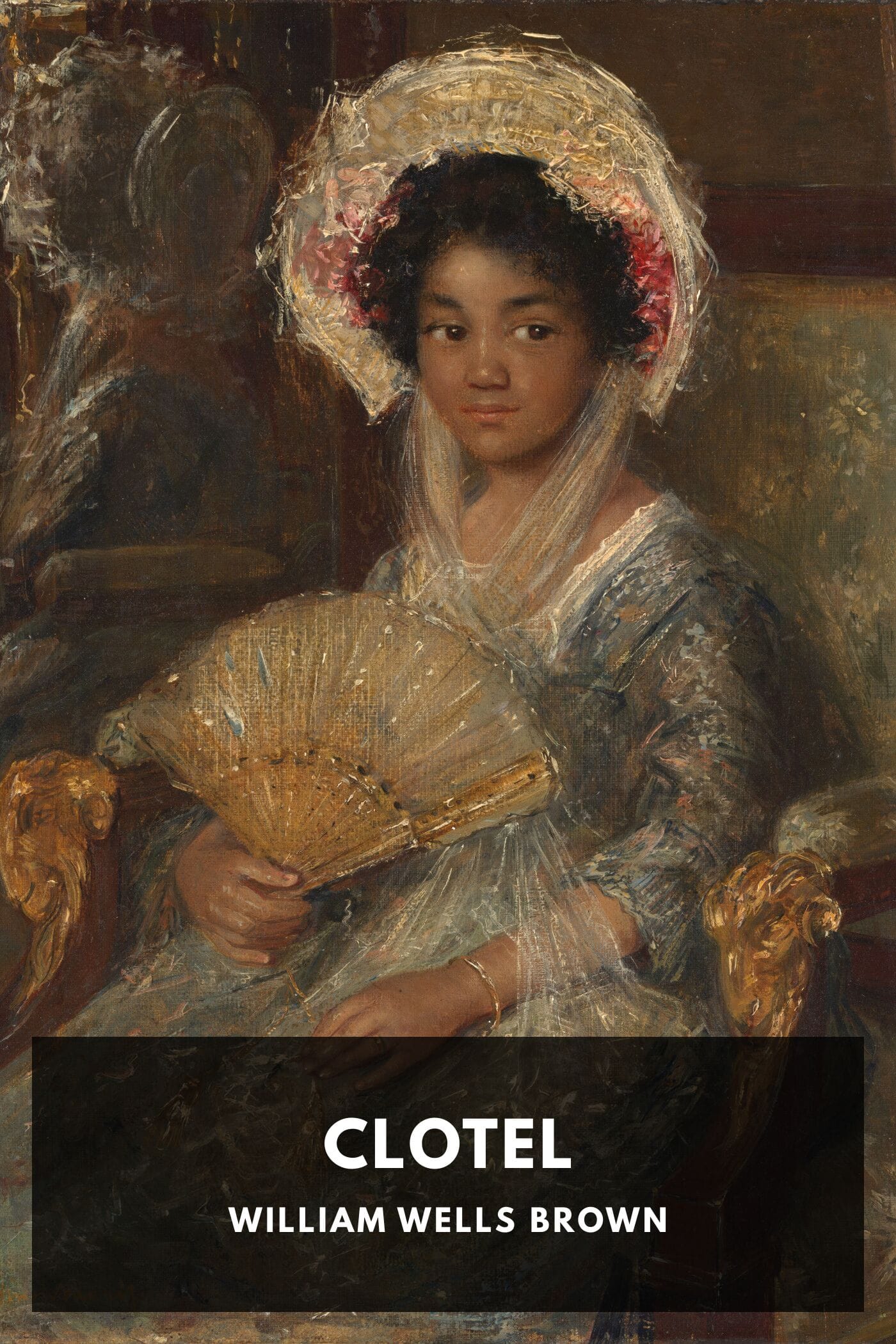
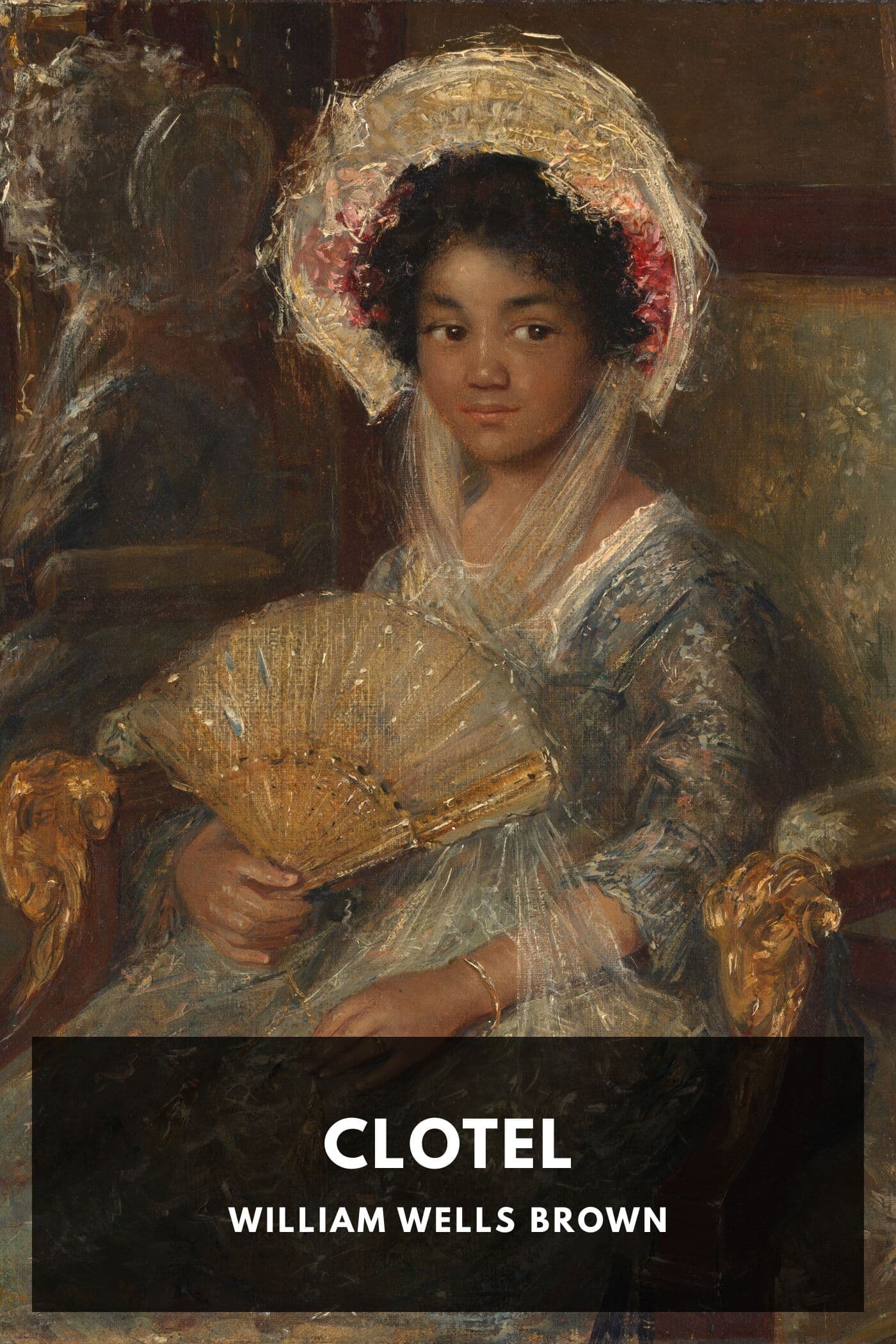
William Wells Brown's *Clotel*, the first novel by an African American author, is a scorching indictment of slavery, weaving together real-life escape narratives (including Brown's own), abolitionist polemic, and actual newspaper clippings to expose the brutal realities faced by enslaved women. At its heart is Clotel, the fictional daughter of Thomas Jefferson and his enslaved mistress, whose journey through various forms of bondage and fleeting freedom in America and Europe illuminates the profound hypocrisy of a nation built on liberty while perpetuating human degradation. The novel pulls no punches, depicting the constant threat of sexual exploitation, family separation, and the arbitrary violence inherent in the 'peculiar institution,' all through a lens that is both deeply personal and broadly political. Published in 1853, *Clotel* was a literary bombshell, designed to ignite moral outrage and galvanize the abolitionist movement. Its power lies not just in its pioneering status, but in its audacious blend of fact and fiction, creating a vivid, if at times melodramatic, portrait of an America tearing itself apart over the question of human dignity. Brown's innovative narrative structure, which anticipates later experimental forms, makes *Clotel* a vital text for understanding the literary and political landscape of the antebellum period, offering a raw, unflinching perspective that still resonates with urgency today.
Editions
Link to this book
Add a free, dofollow link to Lex on your blog, forum, syllabus, or reading list.

<a href="https://lex-books.com/book/clotel-09af854a-95db-4fb1-90fa-11ab984b2772"><img src="https://lex-books.com/badges/read-on-lex.svg" alt="Read Clotel by William Wells Brown free on Lex" width="160" height="40"></a>[](https://lex-books.com/book/clotel-09af854a-95db-4fb1-90fa-11ab984b2772)[url=https://lex-books.com/book/clotel-09af854a-95db-4fb1-90fa-11ab984b2772][img]https://lex-books.com/badges/read-on-lex.svg[/img][/url]Read Clotel by William Wells Brown free on Lex: https://lex-books.com/book/clotel-09af854a-95db-4fb1-90fa-11ab984b2772Cite this book
Reading this edition for a paper or guide? Copy a citation.
Brown, William Wells. Clotel. Lex, lex-books.com/book/clotel-09af854a-95db-4fb1-90fa-11ab984b2772.Brown, W. W. (n.d.). Clotel. Lex. https://lex-books.com/book/clotel-09af854a-95db-4fb1-90fa-11ab984b2772Brown, William Wells. Clotel. Lex. https://lex-books.com/book/clotel-09af854a-95db-4fb1-90fa-11ab984b2772.