Botanic Garden, a Poem in Two Parts. Part 1
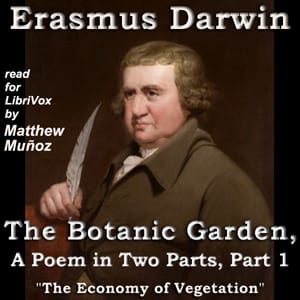
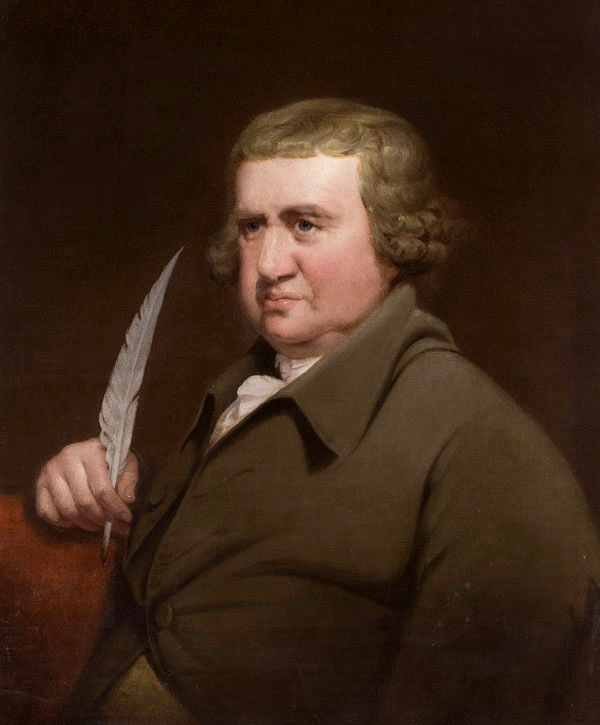
Erasmus Darwin, the grandfather of Charles, did something radical in the eighteenth century: he wrote a poem about plants to teach science. The Botanic Garden is a heroic couplet epic that introduces botany to the general English reader, transforming Linnaean classification and natural philosophy into verse that sings. Darwin believed scientific knowledge and poetic beauty were not enemies but lovers, and this poem proves it. He defends scientific progress as a worthy human endeavor, arguing that understanding nature through observation and reason does not diminish its wonder but deepens it. The result is a work that reads like a conversation between a curious gentleman and the living world: part instruction, part celebration, part manifesto for the Enlightenment project of making knowledge accessible to everyone. For modern readers, it offers a window into how eighteenth-century thinkers saw the natural world, and how they believed poetry could carry ideas as effectively as prose.
Editions

Link to this book
Add a free, dofollow link to Lex on your blog, forum, syllabus, or reading list.

<a href="https://lex-books.com/book/botanic-garden-a-poem-in-two-parts-part-1-5a0f5b2e-9422-4689-9203-6572bf077418"><img src="https://lex-books.com/badges/read-on-lex.svg" alt="Read Botanic Garden, a Poem in Two Parts. Part 1 by Erasmus Darwin free on Lex" width="160" height="40"></a>[](https://lex-books.com/book/botanic-garden-a-poem-in-two-parts-part-1-5a0f5b2e-9422-4689-9203-6572bf077418)[url=https://lex-books.com/book/botanic-garden-a-poem-in-two-parts-part-1-5a0f5b2e-9422-4689-9203-6572bf077418][img]https://lex-books.com/badges/read-on-lex.svg[/img][/url]Read Botanic Garden, a Poem in Two Parts. Part 1 by Erasmus Darwin free on Lex: https://lex-books.com/book/botanic-garden-a-poem-in-two-parts-part-1-5a0f5b2e-9422-4689-9203-6572bf077418Cite this book
Reading this edition for a paper or guide? Copy a citation.
Darwin, Erasmus. Botanic Garden, a Poem in Two Parts. Part 1. Lex, lex-books.com/book/botanic-garden-a-poem-in-two-parts-part-1-5a0f5b2e-9422-4689-9203-6572bf077418.Darwin, E. (n.d.). Botanic Garden, a Poem in Two Parts. Part 1. Lex. https://lex-books.com/book/botanic-garden-a-poem-in-two-parts-part-1-5a0f5b2e-9422-4689-9203-6572bf077418Darwin, Erasmus. Botanic Garden, a Poem in Two Parts. Part 1. Lex. https://lex-books.com/book/botanic-garden-a-poem-in-two-parts-part-1-5a0f5b2e-9422-4689-9203-6572bf077418.