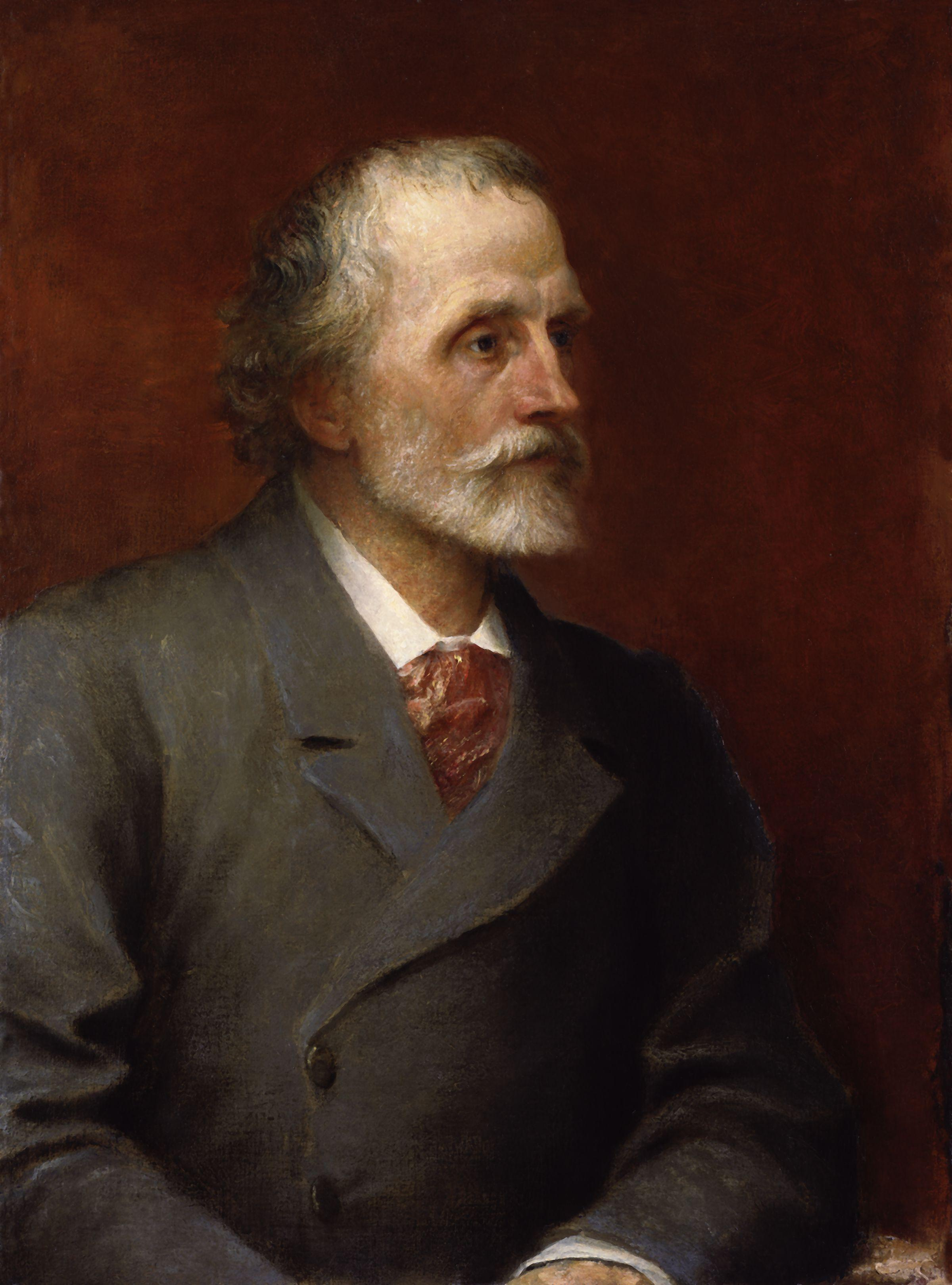
Beauchamp's Career — Complete
1876
George Meredith's 1876 novel catches England in a fever of invasion panic and political cynicism. At its center stands Nevil Beauchamp, a young man whose earnest patriotism and demand for honor make him nearly unbearable to a society that has perfected the art of comfortable indifference. Beauchamp wants to fight, to act, to care intensely about national greatness while everyone around him has settled into weary sarcasm. The novel traces his attempts to translate idealism into political force, to make his life mean something beyond personal ambition. Yet Meredith is too sharp to simply celebrate his hero's purity. The book asks uncomfortable questions about what idealism costs, whether principled men are any less self-serving than cynics, and how genuinely one can love one's country without loving oneself. It contains some of Meredith's most sensitive portrayals of women, who see Beauchamp with a clarity he cannot muster for himself. This is political fiction that refuses easy answers, where passionate conviction becomes both noble and dangerous.
Editions
Link to this book
Add a free, dofollow link to Lex on your blog, forum, syllabus, or reading list.

<a href="https://lex-books.com/book/beauchamp-s-career-complete-1660c1ec-5d68-44ae-aa5f-6f6ab3655daa"><img src="https://lex-books.com/badges/read-on-lex.svg" alt="Read Beauchamp's Career — Complete by George Meredith free on Lex" width="160" height="40"></a>[](https://lex-books.com/book/beauchamp-s-career-complete-1660c1ec-5d68-44ae-aa5f-6f6ab3655daa)[url=https://lex-books.com/book/beauchamp-s-career-complete-1660c1ec-5d68-44ae-aa5f-6f6ab3655daa][img]https://lex-books.com/badges/read-on-lex.svg[/img][/url]Read Beauchamp's Career — Complete by George Meredith free on Lex: https://lex-books.com/book/beauchamp-s-career-complete-1660c1ec-5d68-44ae-aa5f-6f6ab3655daaCite this book
Reading this edition for a paper or guide? Copy a citation.
Meredith, George. Beauchamp's Career — Complete. Lex, lex-books.com/book/beauchamp-s-career-complete-1660c1ec-5d68-44ae-aa5f-6f6ab3655daa.Meredith, G. (1876). Beauchamp's Career — Complete. Lex. https://lex-books.com/book/beauchamp-s-career-complete-1660c1ec-5d68-44ae-aa5f-6f6ab3655daaMeredith, George. Beauchamp's Career — Complete. Lex. https://lex-books.com/book/beauchamp-s-career-complete-1660c1ec-5d68-44ae-aa5f-6f6ab3655daa.