Auguste Comte and Positivism
1865
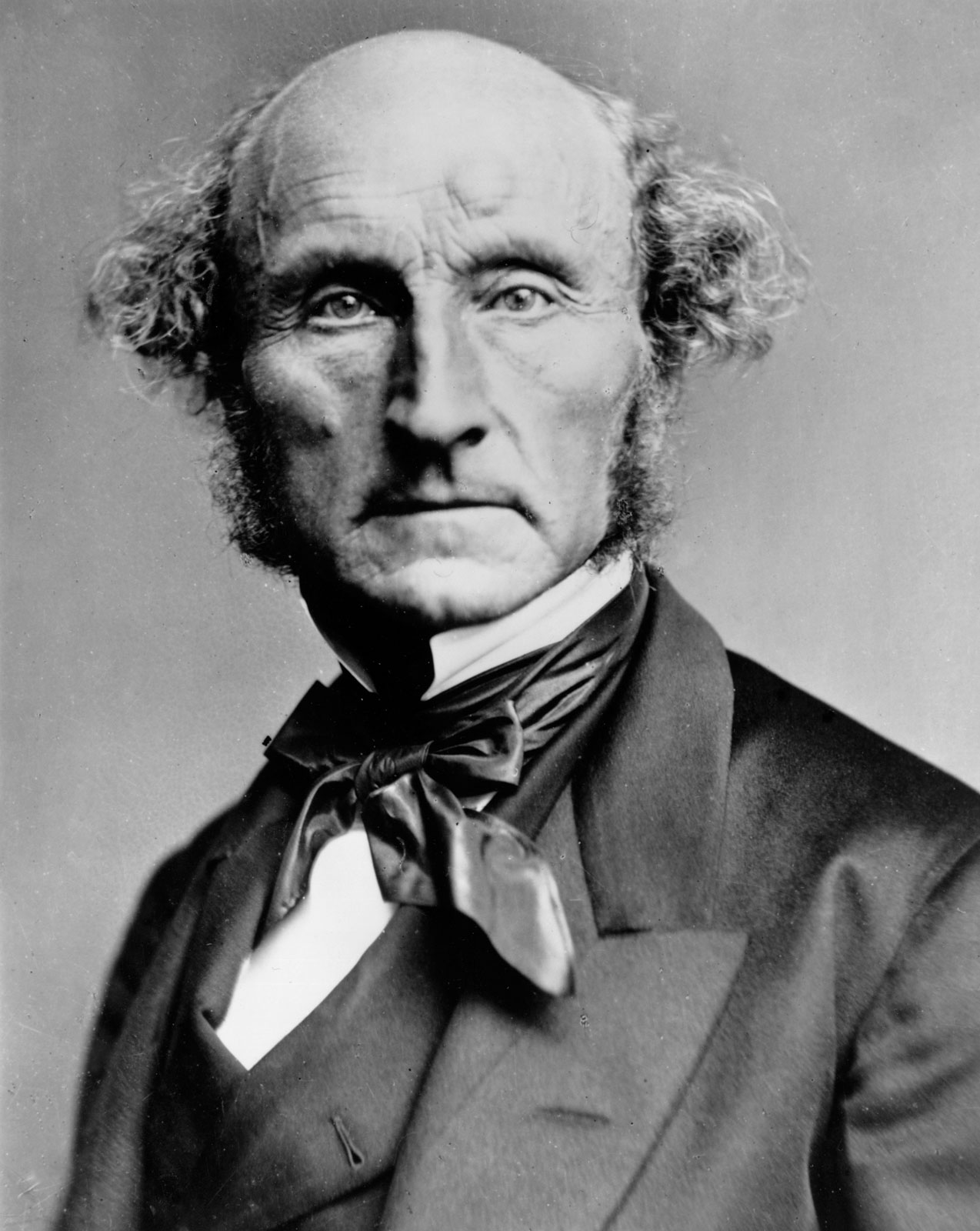
John Stuart Mill, the era's most formidable liberal philosopher, turns his analytical attention to Auguste Comte's ambitious attempt to reorganize all human knowledge under the banner of positivism. Written in 1865, this concise but pointed essay dissects Comte's central claim, that humanity's intellectual evolution passes through three stages, from theological speculation through metaphysical abstraction to arrive finally at positive, observable science. Mill, who knew Comte personally and corresponded with him for years, offers something more valuable than distant criticism: a colleague's rigorous effort to separate what is true in Comte's system from what he considers erroneous. The book culminates in Mill's sharp assault on Comte's later 'Religion of Humanity,' which Mill viewed as an attempt to import theological structures into secular science. This is philosophy as intellectual combat, two giants wrestling over what knowledge is and how it should govern society.
Editions
X-Ray
“Foresight of phenomenon and power over them depend on knowledge of their sequences, and not upon any notion we may have formed respecting their origin or inmost nature.””
— John Stuart Mill
“It is with philosophy as with religion : men marvel at the absurdity of other people's tenets, while exactly parallel absurdities remain in their own.””
— John Stuart Mill
Link to this book
Add a free, dofollow link to Lex on your blog, forum, syllabus, or reading list.

<a href="https://lex-books.com/book/auguste-comte-and-positivism-db1b2afc-1750-47eb-a99b-4ceddc8663eb"><img src="https://lex-books.com/badges/read-on-lex.svg" alt="Read Auguste Comte and Positivism by John Stuart Mill free on Lex" width="160" height="40"></a>[](https://lex-books.com/book/auguste-comte-and-positivism-db1b2afc-1750-47eb-a99b-4ceddc8663eb)[url=https://lex-books.com/book/auguste-comte-and-positivism-db1b2afc-1750-47eb-a99b-4ceddc8663eb][img]https://lex-books.com/badges/read-on-lex.svg[/img][/url]Read Auguste Comte and Positivism by John Stuart Mill free on Lex: https://lex-books.com/book/auguste-comte-and-positivism-db1b2afc-1750-47eb-a99b-4ceddc8663ebCite this book
Reading this edition for a paper or guide? Copy a citation.
Mill, John Stuart. Auguste Comte and Positivism. Lex, lex-books.com/book/auguste-comte-and-positivism-db1b2afc-1750-47eb-a99b-4ceddc8663eb.Mill, J. S. (1865). Auguste Comte and Positivism. Lex. https://lex-books.com/book/auguste-comte-and-positivism-db1b2afc-1750-47eb-a99b-4ceddc8663ebMill, John Stuart. Auguste Comte and Positivism. Lex. https://lex-books.com/book/auguste-comte-and-positivism-db1b2afc-1750-47eb-a99b-4ceddc8663eb.