An Essay on the Slavery and Commerce of the Human Species, Particularly the African: Translated from a Latin Dissertation, Which Was Honoured with the First Prize in the University of Cambridge, for the Year 1785, with Additions
An Essay on the Slavery and Commerce of the Human Species, Particularly the African: Translated from a Latin Dissertation, Which Was Honoured with the First Prize in the University of Cambridge, for the Year 1785, with Additions
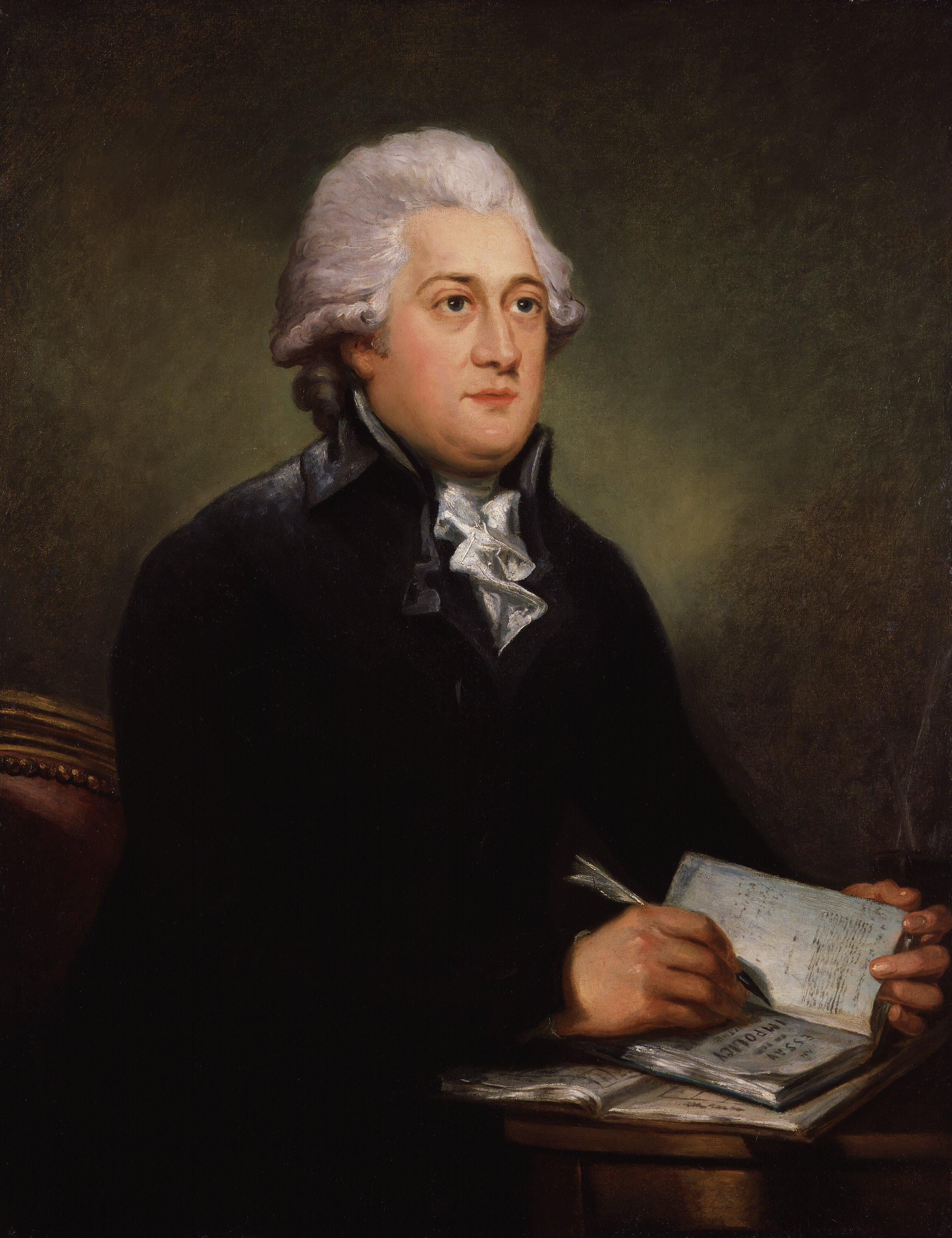
In 1785, a twenty-five-year-old Cambridge student entered an essay competition on slavery and won. That essay, now historic, launched Thomas Clarkson into a lifetime of abolitionist activism and helped ignite a movement that would eventually bring the British slave trade to its knees. Clarkson doesn't argue abstractly. He interviewed Captains and sailors in port towns, documented the brutal economics of the trade, traced the philosophical justifications for human bondage and systematically dismantled each one. He distinguishes between voluntary servitude and the coerced horror of the Middle Passage, names the Quakers and free Black activists who dared speak first, and builds an irrefutable case that slavery is not just cruel but philosophically indefensible. This is not dry philosophy. It is a young man's moral thunderclap, written in outrage and research, aimed at the conscience of a nation built on human cargo. It remains essential reading for anyone who wants to understand how argument became action, and how one essay helped undo an empire's complicity in torture.
Editions
Link to this book
Add a free, dofollow link to Lex on your blog, forum, syllabus, or reading list.

<a href="https://lex-books.com/book/an-essay-on-the-slavery-and-commerce-of-the-human-species-particularly-the-afric-3fa74ec2-f3ef-4702-939f-550dacfb36b8"><img src="https://lex-books.com/badges/read-on-lex.svg" alt="Read An Essay on the Slavery and Commerce of the Human Species, Particularly the African: Translated from a Latin Dissertation, Which Was Honoured with the First Prize in the University of Cambridge, for the Year 1785, with Additions by Thomas Clarkson free on Lex" width="160" height="40"></a>[](https://lex-books.com/book/an-essay-on-the-slavery-and-commerce-of-the-human-species-particularly-the-afric-3fa74ec2-f3ef-4702-939f-550dacfb36b8)[url=https://lex-books.com/book/an-essay-on-the-slavery-and-commerce-of-the-human-species-particularly-the-afric-3fa74ec2-f3ef-4702-939f-550dacfb36b8][img]https://lex-books.com/badges/read-on-lex.svg[/img][/url]Read An Essay on the Slavery and Commerce of the Human Species, Particularly the African: Translated from a Latin Dissertation, Which Was Honoured with the First Prize in the University of Cambridge, for the Year 1785, with Additions by Thomas Clarkson free on Lex: https://lex-books.com/book/an-essay-on-the-slavery-and-commerce-of-the-human-species-particularly-the-afric-3fa74ec2-f3ef-4702-939f-550dacfb36b8Cite this book
Reading this edition for a paper or guide? Copy a citation.
Clarkson, Thomas. An Essay on the Slavery and Commerce of the Human Species, Particularly the African: Translated from a Latin Dissertation, Which Was Honoured with the First Prize in the University of Cambridge, for the Year 1785, with Additions. Lex, lex-books.com/book/an-essay-on-the-slavery-and-commerce-of-the-human-species-particularly-the-afric-3fa74ec2-f3ef-4702-939f-550dacfb36b8.Clarkson, T. (n.d.). An Essay on the Slavery and Commerce of the Human Species, Particularly the African: Translated from a Latin Dissertation, Which Was Honoured with the First Prize in the University of Cambridge, for the Year 1785, with Additions. Lex. https://lex-books.com/book/an-essay-on-the-slavery-and-commerce-of-the-human-species-particularly-the-afric-3fa74ec2-f3ef-4702-939f-550dacfb36b8Clarkson, Thomas. An Essay on the Slavery and Commerce of the Human Species, Particularly the African: Translated from a Latin Dissertation, Which Was Honoured with the First Prize in the University of Cambridge, for the Year 1785, with Additions. Lex. https://lex-books.com/book/an-essay-on-the-slavery-and-commerce-of-the-human-species-particularly-the-afric-3fa74ec2-f3ef-4702-939f-550dacfb36b8.