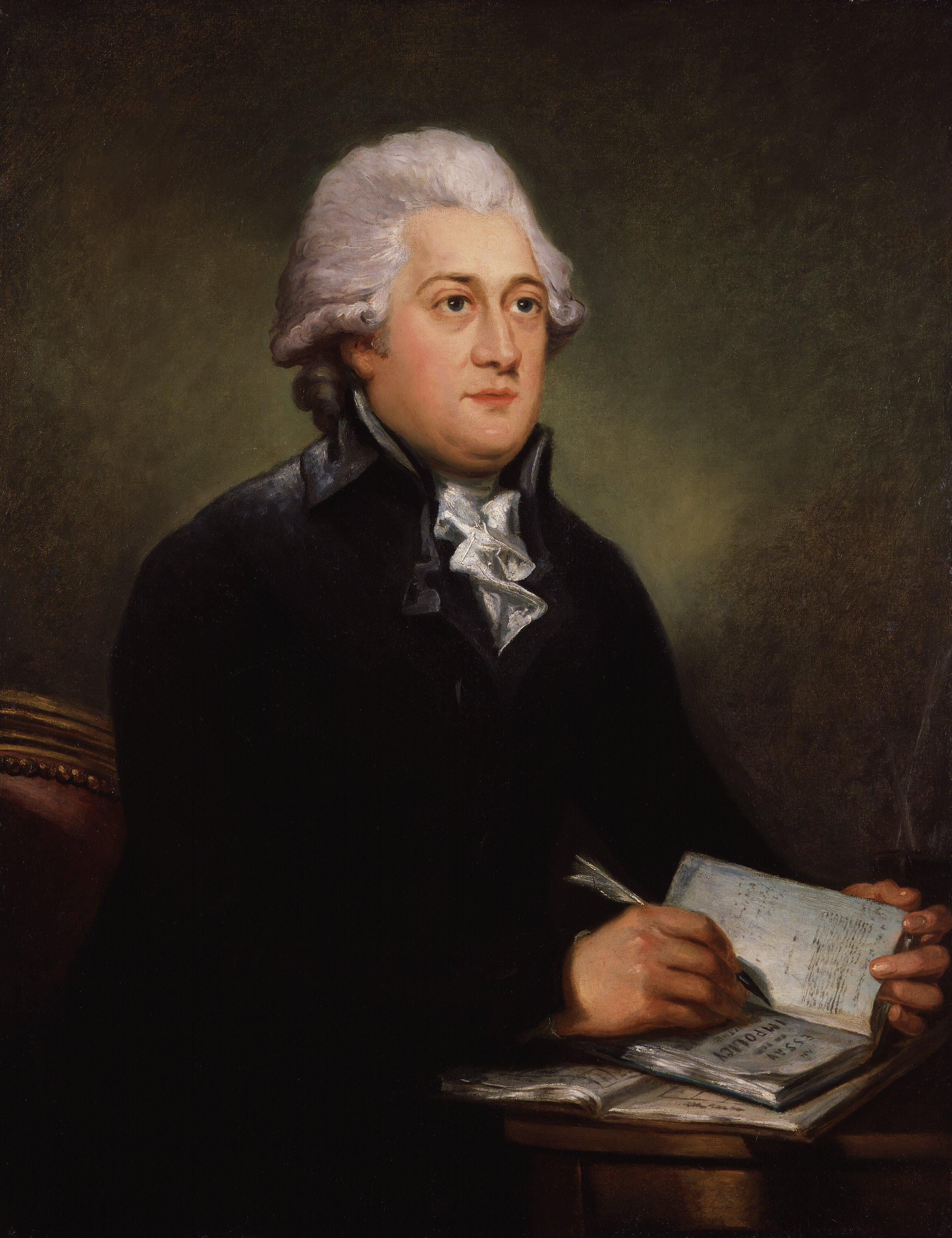
A Portraiture of Quakerism, Volume 3: Taken from a View of the Education and Discipline, Social Manners, Civil and Political Economy, Religious Principles and Character, of the Society of Friends
1806
A Portraiture of Quakerism, Volume 3: Taken from a View of the Education and Discipline, Social Manners, Civil and Political Economy, Religious Principles and Character, of the Society of Friends
1806
A Portraiture of Quakerism, Volume 3, written by Thomas Clarkson and first published in 1806, provides a detailed examination of the Society of Friends, or Quakers. This volume explores their education, discipline, social manners, and civil and political economy, alongside their religious principles and moral character. Clarkson emphasizes the Quakers' commitment to non-violence, personal conscience, and their distinct stance on civil government and oaths, highlighting their historical impact and values within society. This work is notable for its comprehensive portrayal of Quaker beliefs and practices during the early 19th century.
Editions
Link to this book
Add a free, dofollow link to Lex on your blog, forum, syllabus, or reading list.

<a href="https://lex-books.com/book/a-portraiture-of-quakerism-volume-3-taken-from-a-view-of-the-education-and-disci-e56e462b-4dc9-4143-bdc5-36b7b6e7f5d5"><img src="https://lex-books.com/badges/read-on-lex.svg" alt="Read A Portraiture of Quakerism, Volume 3: Taken from a View of the Education and Discipline, Social Manners, Civil and Political Economy, Religious Principles and Character, of the Society of Friends by Thomas Clarkson free on Lex" width="160" height="40"></a>[](https://lex-books.com/book/a-portraiture-of-quakerism-volume-3-taken-from-a-view-of-the-education-and-disci-e56e462b-4dc9-4143-bdc5-36b7b6e7f5d5)[url=https://lex-books.com/book/a-portraiture-of-quakerism-volume-3-taken-from-a-view-of-the-education-and-disci-e56e462b-4dc9-4143-bdc5-36b7b6e7f5d5][img]https://lex-books.com/badges/read-on-lex.svg[/img][/url]Read A Portraiture of Quakerism, Volume 3: Taken from a View of the Education and Discipline, Social Manners, Civil and Political Economy, Religious Principles and Character, of the Society of Friends by Thomas Clarkson free on Lex: https://lex-books.com/book/a-portraiture-of-quakerism-volume-3-taken-from-a-view-of-the-education-and-disci-e56e462b-4dc9-4143-bdc5-36b7b6e7f5d5Cite this book
Reading this edition for a paper or guide? Copy a citation.
Clarkson, Thomas. A Portraiture of Quakerism, Volume 3: Taken from a View of the Education and Discipline, Social Manners, Civil and Political Economy, Religious Principles and Character, of the Society of Friends. Lex, lex-books.com/book/a-portraiture-of-quakerism-volume-3-taken-from-a-view-of-the-education-and-disci-e56e462b-4dc9-4143-bdc5-36b7b6e7f5d5.Clarkson, T. (1806). A Portraiture of Quakerism, Volume 3: Taken from a View of the Education and Discipline, Social Manners, Civil and Political Economy, Religious Principles and Character, of the Society of Friends. Lex. https://lex-books.com/book/a-portraiture-of-quakerism-volume-3-taken-from-a-view-of-the-education-and-disci-e56e462b-4dc9-4143-bdc5-36b7b6e7f5d5Clarkson, Thomas. A Portraiture of Quakerism, Volume 3: Taken from a View of the Education and Discipline, Social Manners, Civil and Political Economy, Religious Principles and Character, of the Society of Friends. Lex. https://lex-books.com/book/a-portraiture-of-quakerism-volume-3-taken-from-a-view-of-the-education-and-disci-e56e462b-4dc9-4143-bdc5-36b7b6e7f5d5.