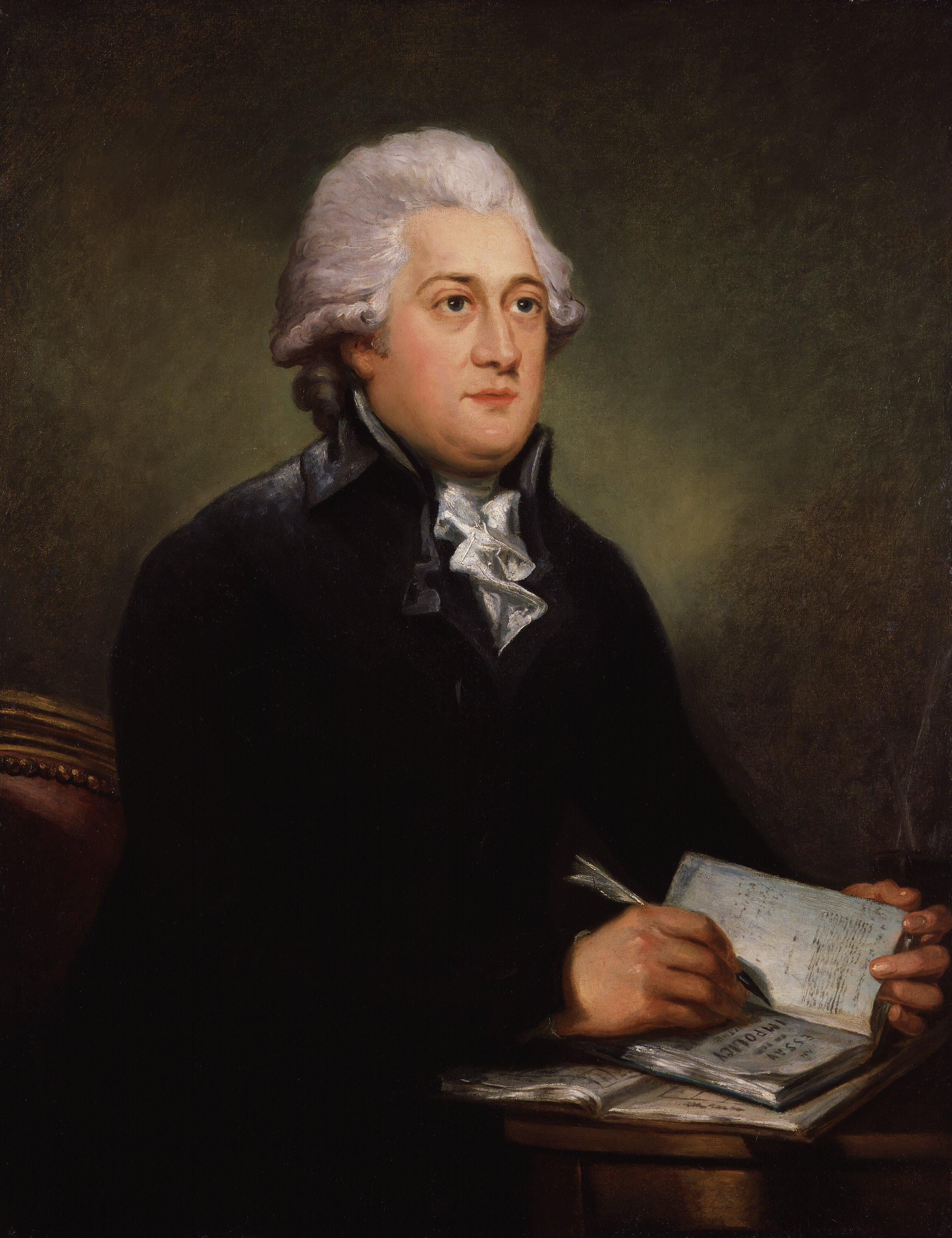
A Portraiture of Quakerism, Volume 2: Taken from a View of the Education and Discipline, Social Manners, Civil and Political Economy, Religious Principles and Character, of the Society of Friends
A Portraiture of Quakerism, Volume 2: Taken from a View of the Education and Discipline, Social Manners, Civil and Political Economy, Religious Principles and Character, of the Society of Friends
Thomas Clarkson knew the Quakers as few outsiders could. A central figure in the British abolition movement, he worked alongside them for decades, earning rare access to a community that had long kept the world at arm's length. This volume, published in 1806, offers something extraordinary: an intimate portrait of a people who built their entire lives around the radical principle that divinity could be found in every human soul. Clarkson observed their marriages, their funerals, their businesses, their politics, and the thousand small customs that held their society together. The result is neither polemic nor mere antiquarian curiosity. It is a careful, sympathetic, often awestruck account of a community attempting to translate spiritual conviction into social practice. What emerges is a portrait of genuine strangeness: a people who refused oaths, addressed everyone as equals, banned paid clergy, and treated marriage as a matter for the entire community rather than merely the couple. Clarkson's admiration for his subjects is palpable, but so is his anthropologist's eye for detail. For readers interested in the origins of dissenting religion, the roots of abolitionism, or simply the remarkable diversity of ways humans have chosen to live together, this volume remains a singular window into a vanished world that still echoes in the present.
Editions
Link to this book
Add a free, dofollow link to Lex on your blog, forum, syllabus, or reading list.

<a href="https://lex-books.com/book/a-portraiture-of-quakerism-volume-2-taken-from-a-view-of-the-education-and-disci-53ef0f5c-9e25-49e4-a875-4725ef042938"><img src="https://lex-books.com/badges/read-on-lex.svg" alt="Read A Portraiture of Quakerism, Volume 2: Taken from a View of the Education and Discipline, Social Manners, Civil and Political Economy, Religious Principles and Character, of the Society of Friends by Thomas Clarkson free on Lex" width="160" height="40"></a>[](https://lex-books.com/book/a-portraiture-of-quakerism-volume-2-taken-from-a-view-of-the-education-and-disci-53ef0f5c-9e25-49e4-a875-4725ef042938)[url=https://lex-books.com/book/a-portraiture-of-quakerism-volume-2-taken-from-a-view-of-the-education-and-disci-53ef0f5c-9e25-49e4-a875-4725ef042938][img]https://lex-books.com/badges/read-on-lex.svg[/img][/url]Read A Portraiture of Quakerism, Volume 2: Taken from a View of the Education and Discipline, Social Manners, Civil and Political Economy, Religious Principles and Character, of the Society of Friends by Thomas Clarkson free on Lex: https://lex-books.com/book/a-portraiture-of-quakerism-volume-2-taken-from-a-view-of-the-education-and-disci-53ef0f5c-9e25-49e4-a875-4725ef042938Cite this book
Reading this edition for a paper or guide? Copy a citation.
Clarkson, Thomas. A Portraiture of Quakerism, Volume 2: Taken from a View of the Education and Discipline, Social Manners, Civil and Political Economy, Religious Principles and Character, of the Society of Friends. Lex, lex-books.com/book/a-portraiture-of-quakerism-volume-2-taken-from-a-view-of-the-education-and-disci-53ef0f5c-9e25-49e4-a875-4725ef042938.Clarkson, T. (n.d.). A Portraiture of Quakerism, Volume 2: Taken from a View of the Education and Discipline, Social Manners, Civil and Political Economy, Religious Principles and Character, of the Society of Friends. Lex. https://lex-books.com/book/a-portraiture-of-quakerism-volume-2-taken-from-a-view-of-the-education-and-disci-53ef0f5c-9e25-49e4-a875-4725ef042938Clarkson, Thomas. A Portraiture of Quakerism, Volume 2: Taken from a View of the Education and Discipline, Social Manners, Civil and Political Economy, Religious Principles and Character, of the Society of Friends. Lex. https://lex-books.com/book/a-portraiture-of-quakerism-volume-2-taken-from-a-view-of-the-education-and-disci-53ef0f5c-9e25-49e4-a875-4725ef042938.