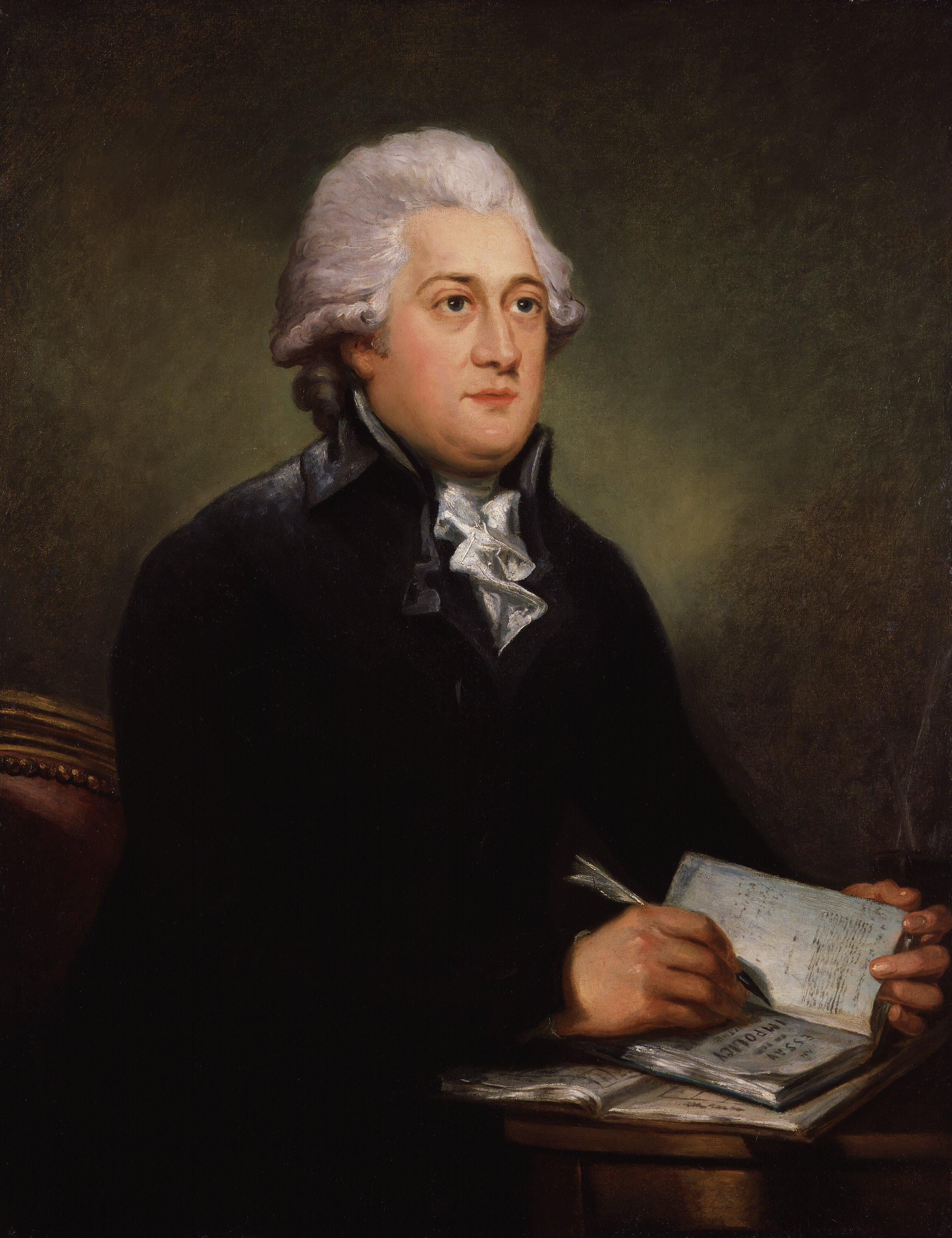
A Portraiture of Quakerism, Volume 1: Taken from a View of the Education and Discipline, Social Manners, Civil and Political Economy, Religious Principles and Character, of the Society of Friends
1806
A Portraiture of Quakerism, Volume 1: Taken from a View of the Education and Discipline, Social Manners, Civil and Political Economy, Religious Principles and Character, of the Society of Friends
1806
Thomas Clarkson, the renowned abolitionist who helped end the British slave trade, turned his empathetic eye toward the Quakers in this remarkable early 19th-century portrait. Written with the precision of a man who understood prejudice firsthand, Clarkson offers an intimate exploration of a religious community that deliberately set itself apart from English society: they refused to bow, to swear, to bear arms, or to participate in the broader culture's entertainments. This volume examines their distinctive approach to education, their social discipline, and the reasoning behind their conspicuous absences from the theaters, dance floors, and gaming tables of their contemporaries. Clarkson argues that these restrictions flow logically from Quaker principles, not from mere eccentricity, presenting a coherent spiritual and ethical framework worthy of serious consideration. The book functions both as anthropological record and as passionate defense, written by a man who admired what he observed and wanted others to see it clearly. For readers interested in religious history, dissenting traditions, or the strange beauty of communities that choose to be different, Clarkson's portrait remains a fascinating window into a world that sought the divine through deliberate simplicity.
Editions
Link to this book
Add a free, dofollow link to Lex on your blog, forum, syllabus, or reading list.

<a href="https://lex-books.com/book/a-portraiture-of-quakerism-volume-1-taken-from-a-view-of-the-education-and-disci-6e2a1855-e11f-4ba2-a6d4-297b0df19385"><img src="https://lex-books.com/badges/read-on-lex.svg" alt="Read A Portraiture of Quakerism, Volume 1: Taken from a View of the Education and Discipline, Social Manners, Civil and Political Economy, Religious Principles and Character, of the Society of Friends by Thomas Clarkson free on Lex" width="160" height="40"></a>[](https://lex-books.com/book/a-portraiture-of-quakerism-volume-1-taken-from-a-view-of-the-education-and-disci-6e2a1855-e11f-4ba2-a6d4-297b0df19385)[url=https://lex-books.com/book/a-portraiture-of-quakerism-volume-1-taken-from-a-view-of-the-education-and-disci-6e2a1855-e11f-4ba2-a6d4-297b0df19385][img]https://lex-books.com/badges/read-on-lex.svg[/img][/url]Read A Portraiture of Quakerism, Volume 1: Taken from a View of the Education and Discipline, Social Manners, Civil and Political Economy, Religious Principles and Character, of the Society of Friends by Thomas Clarkson free on Lex: https://lex-books.com/book/a-portraiture-of-quakerism-volume-1-taken-from-a-view-of-the-education-and-disci-6e2a1855-e11f-4ba2-a6d4-297b0df19385Cite this book
Reading this edition for a paper or guide? Copy a citation.
Clarkson, Thomas. A Portraiture of Quakerism, Volume 1: Taken from a View of the Education and Discipline, Social Manners, Civil and Political Economy, Religious Principles and Character, of the Society of Friends. Lex, lex-books.com/book/a-portraiture-of-quakerism-volume-1-taken-from-a-view-of-the-education-and-disci-6e2a1855-e11f-4ba2-a6d4-297b0df19385.Clarkson, T. (1806). A Portraiture of Quakerism, Volume 1: Taken from a View of the Education and Discipline, Social Manners, Civil and Political Economy, Religious Principles and Character, of the Society of Friends. Lex. https://lex-books.com/book/a-portraiture-of-quakerism-volume-1-taken-from-a-view-of-the-education-and-disci-6e2a1855-e11f-4ba2-a6d4-297b0df19385Clarkson, Thomas. A Portraiture of Quakerism, Volume 1: Taken from a View of the Education and Discipline, Social Manners, Civil and Political Economy, Religious Principles and Character, of the Society of Friends. Lex. https://lex-books.com/book/a-portraiture-of-quakerism-volume-1-taken-from-a-view-of-the-education-and-disci-6e2a1855-e11f-4ba2-a6d4-297b0df19385.